


Can cats have seasonal allergies?
Author: Reveal Pet Food
Date: April 8, 2026
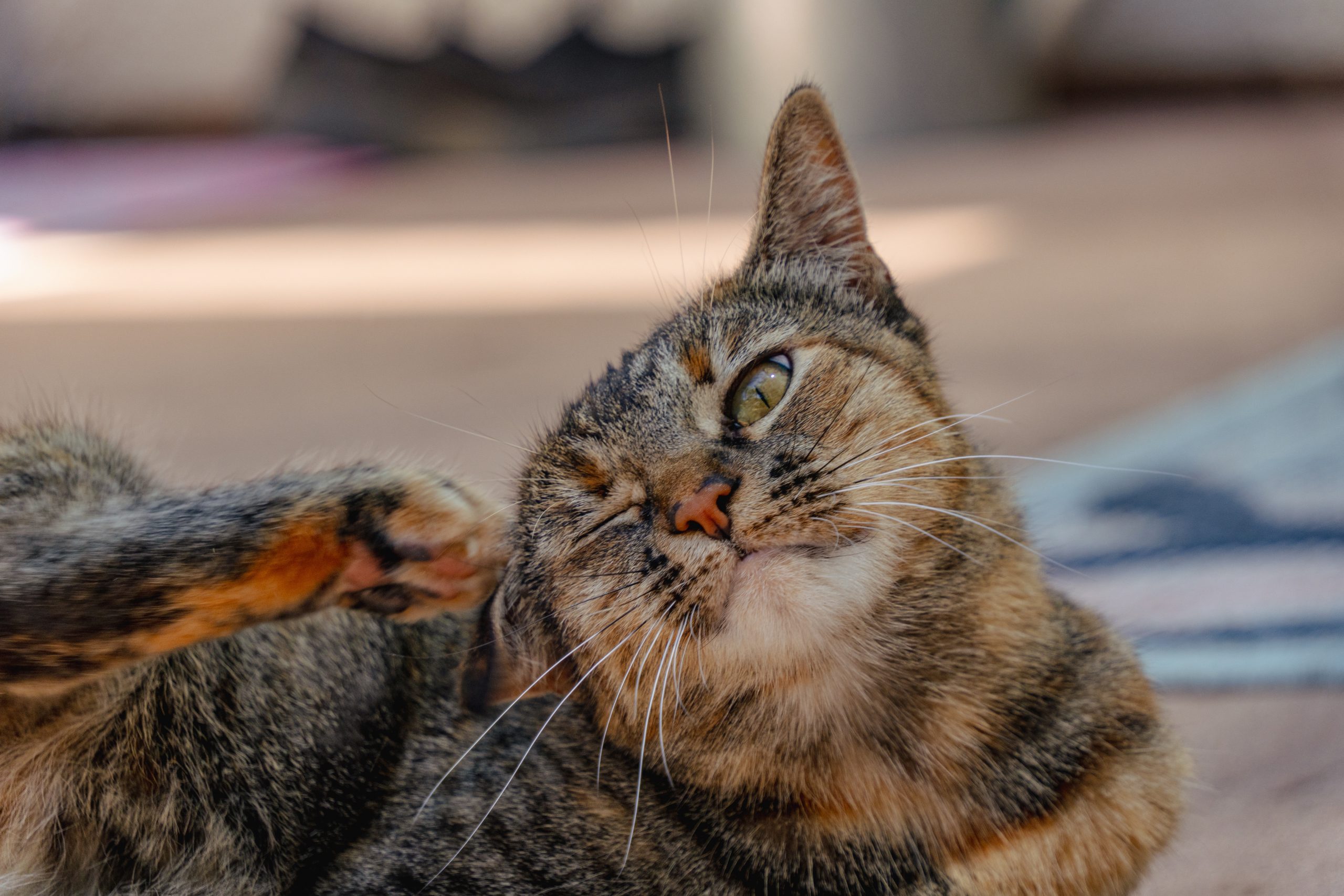
Yes, cats can have seasonal allergies, and they often experience symptoms like itchy skin, watery eyes, and sneezing when exposed to pollen during certain times of year.
Seasonal allergies in cats are immune system reactions to environmental allergens like pollen that occur during specific times of year. Allergies, which is when the immune system reacts to a normally harmless foreign substance in an irregular way, come in many different forms.
Seasonal allergies, which we tend to refer to as hay fever, are reactions that happen during certain times of the year.
They are most often caused by three types of pollen – grass pollen, tree pollen, and weed pollen.
These environmental allergens are completely innocuous to cats unless they have seasonal allergies, in which case, their immune system will treat the pollen as an invader and launch an attack.
Tree and grass pollen season occurs in spring and summer (typically March through June), with levels generally highest in the evening. In late summer and early fall (August through October), during ragweed pollen season, levels tend to peak in the morning.
Keeping pollen away from cats is no easy task.
As felines explore the garden and their surrounding neighborhood, they will no doubt come into contact with the powdery substance. Even indoor cats might be prone to an exploration!
For many, these encounters will pass without incident. However, for some, it may lead to a reaction.
Seasonal allergy symptoms
- Watery eyes – If you notice one or both of your cat’s eyes watering, this could be a sign they are struggling with an allergy. You will most likely notice them blinking excessively, squinting or pawing at their eyes as they try to deal with the symptoms. If their eyes are red and inflamed, then there is a good chance your feline has conjunctivitis and will therefore require a trip to the vet.
- Persistent itching – One of the most common causes of itchy cat skin is seasonal allergies. When a cat begins scratching excessively, it’s generally a sign that something isn’t right with their coat or skin. Factors such as fleas, boredom, stress, and diet all need to be considered, as does pollen. Pollen is an airborne allergen which as it floats through the air can land on unsuspecting felines. Much of it though also ends up on the ground, waiting for our cats to walk or roll through it.
- Hair loss – Cats do naturally shed their fur, so it’s not unusual to see strands of hair dotted about the home. An adverse reaction brought on by allergies though may lead to excessive hair loss, a condition that can be further aggravated by excessive scratching or overgrooming.
- Coughing, sneezing and wheezing – The odd cat sneeze here and there could be down to an inhaled allergen that’s affecting their delicate nasal passages. Like with humans, irritants can trigger a sneezing fit in a cat, which could lead to coughing and wheezing. These symptoms will be particularly prevalent if your feline also suffers from asthma.
- Irritability – Have you noticed a sudden change in your cat’s mood? Maybe they’re acting out more, or they’ve started constantly pacing up and down the house. Environmental allergens can prove highly irritable to cats and trigger a change in their behavior. Behavioral changes can be difficult to pinpoint, so spend time observing their environment while you get to the bottom of the issue.
- Ear infection – Ear infections can cause significant pain and discomfort. Unless they have picked up mites from another animal, the infection will most likely be the result of an underlying medical condition. This may be an overgrowth of yeast, build up of wax, or a ruptured eardrum. Environmental irritants, like pollen, can also be a contributing factor. Be alert to them shaking their head, or scratching at their ears, in an attempt to remove the irritant.
- Vomiting or diarrhea – Vomiting and/or diarrhea can be brought on by any number of reasons. Seasonal allergies are one potential cause, but always check for other symptoms as well in case it is linked to another medical condition. If your feline is suffering from vomiting and/or diarrhea for longer than a day, schedule an appointment with the vet.
Can allergies ever lead to something serious?
All cat breeds are potentially vulnerable to high pollen counts, with reactions ranging from mild to severe.
While seasonal allergies don’t necessarily pose a serious threat to health, they can have a significantly negative impact on a cat’s quality of life.
The longer a reaction goes untreated, the more chance there is of them suffering long-term effects.
While seasonal allergies cannot be cured, they can be managed. Once identified, the majority of allergies can be dealt with at home by removing or avoiding the offending allergen.
For obvious reasons, this isn’t all that easy when dealing with pollen, especially if your feline is constantly out and about exploring.
How to treat seasonal allergies in cats
- Limit outdoor exposure – Keep your cat indoors during peak pollen times, especially on high pollen count days.
- Regular bathing and grooming – Brush your cat daily and consider occasional baths to remove pollen from their coat.
- Use air purifiers – Run HEPA air purifiers indoors to reduce airborne allergens.
- Clean their environment – Regularly vacuum and dust your home, and wash their bedding and toys often.
- Consult your veterinarian – Ask about antihistamines or other medications that may help alleviate symptoms.
- Consider immunotherapy – For severe cases, a veterinary dermatologist may recommend allergy shots to desensitize your cat over time.
When to see a vet
Contact your veterinarian if your cat experiences any of the following:
- Vomiting or diarrhea lasting longer than 24 hours
- Difficulty breathing or severe wheezing
- Open sores or skin wounds from excessive scratching
- Recurring ear infections
- Symptoms that persist or worsen despite home care
Should you speak to an expert?
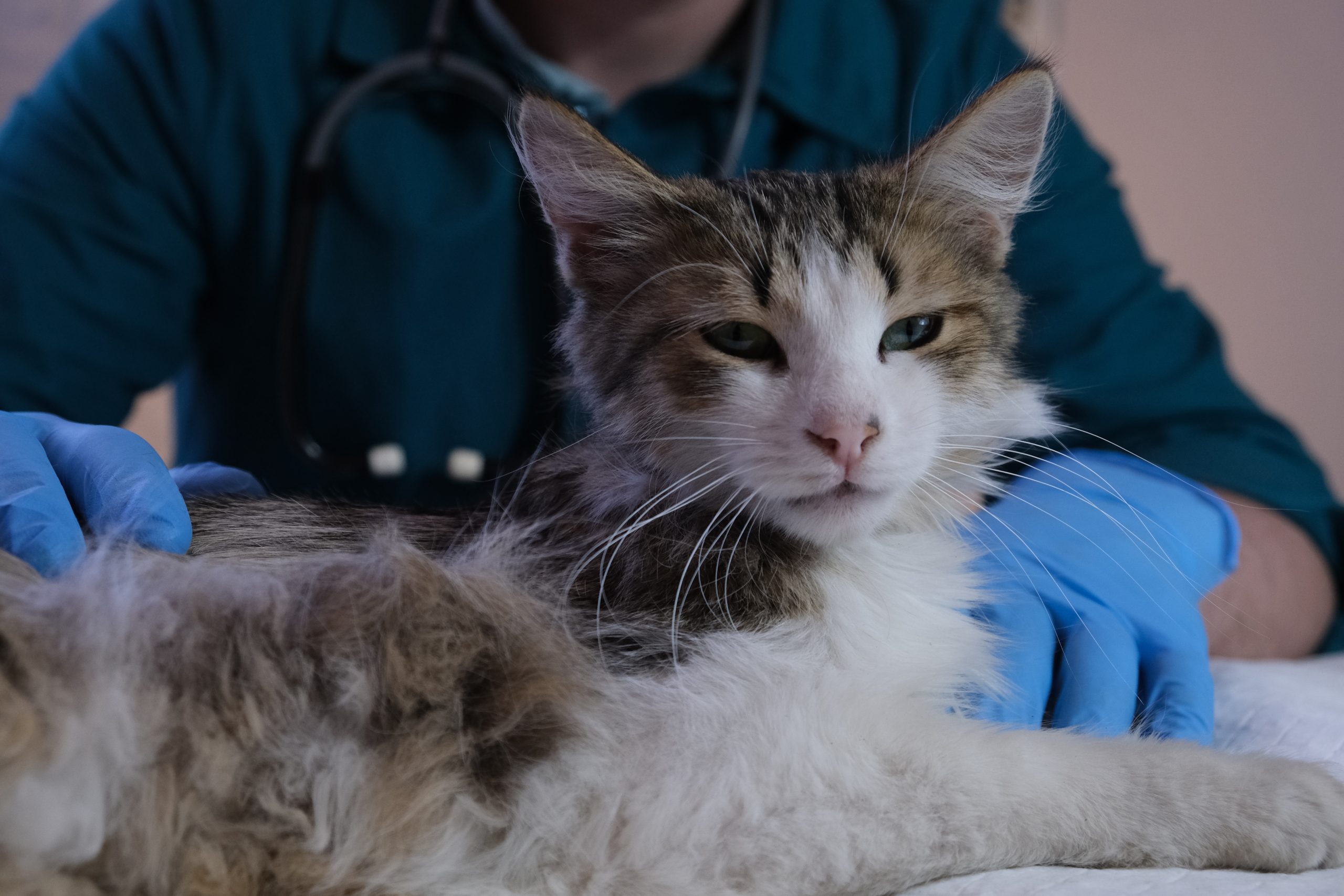
If your cat’s watery eyes are not clearing up or their persistent itching refuses to go away, it’s most likely time to take them to a vet for a thorough exam.
Seasonal allergy symptoms can be an indication of a more serious medical condition, and if you are unable to pinpoint the cause yourself, expert advice is a good idea.
Following the exam, which may include blood and skin tests, a vet should be able to determine what type of allergy your feline is dealing with.
If they suspect your pet is suffering from seasonal allergies, they may prescribe medicines, such as antihistamines, to help alleviate the symptoms. They may also advise you to keep your feline indoors for a period in order to limit their exposure to pollen.
Pets with severe allergies may be referred to a veterinary dermatologist who will carry out more in-depth testing, and will possibly recommend further treatments.
As well as developing a long-term strategy for managing seasonal allergies, dermatologists will also offer their expertise on how to best care for your feline when they are experiencing a reaction to an allergen.
While there is no cure for seasonal allergies, if you formulate an effective treatment plan, and take preventative measures where possible, there is nothing to stop your feline from enjoying a happy and healthy life. Coupled with a healthy diet, you can’t go wrong.
Frequently asked questions
Can indoor cats get seasonal allergies?
Yes, indoor cats can develop seasonal allergies. Pollen can enter your home through open windows, doors, and on your clothing or shoes. Using air purifiers and keeping windows closed during high pollen days can help reduce exposure.
How long do cat allergy symptoms last?
Seasonal allergy symptoms typically last as long as your cat is exposed to the allergen, which can be weeks or months during pollen season. Symptoms usually improve once pollen levels decrease or when exposure is minimized.
What can I give my cat for allergies at home?
You can help manage mild symptoms by bathing your cat to remove pollen, brushing them daily, and keeping your home clean. Never give your cat human medications without consulting your veterinarian first, as some can be toxic to cats.
Are certain cat breeds more prone to seasonal allergies?
All cat breeds can develop seasonal allergies, though some breeds may be more susceptible. If you notice allergy symptoms in your cat regardless of breed, consult your veterinarian for proper diagnosis and treatment.
Key takeaways
- Yes, cats can have seasonal allergies caused by pollen from trees, grass, and weeds.
- Common symptoms are primarily skin-related, including itching, hair loss, and ear infections, along with watery eyes and sneezing.
- Pollen seasons occur in spring/summer (March–June) and late summer/early fall (August–October).
- Treatment options include limiting outdoor exposure, regular grooming, air purifiers, and veterinarian-prescribed medications.
- See a vet if symptoms persist, worsen, or include difficulty breathing, open sores, or recurring infections.