
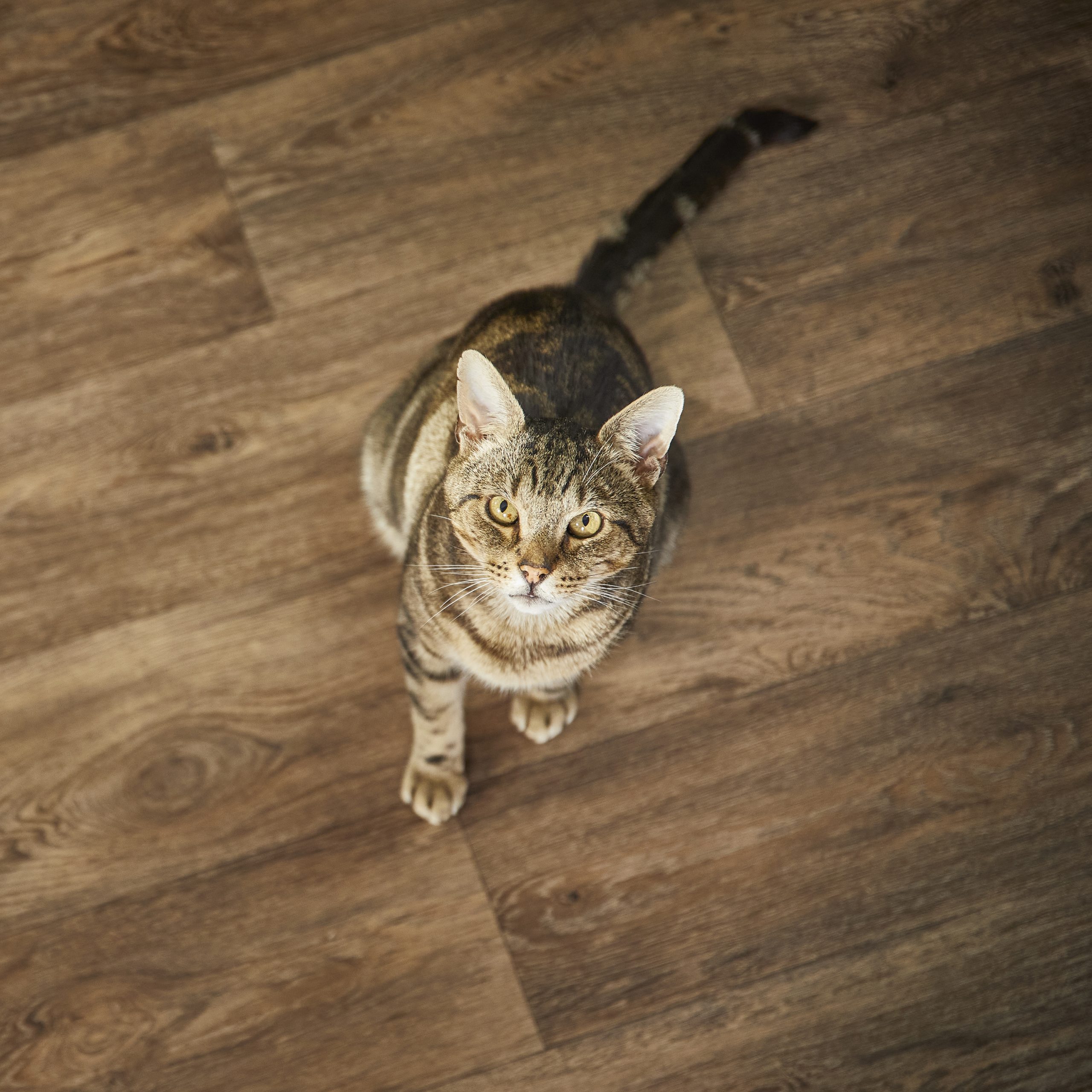

Dietary advice for senior cats – What you need to know
Author: Reveal Pet Food
Date: February 13, 2026
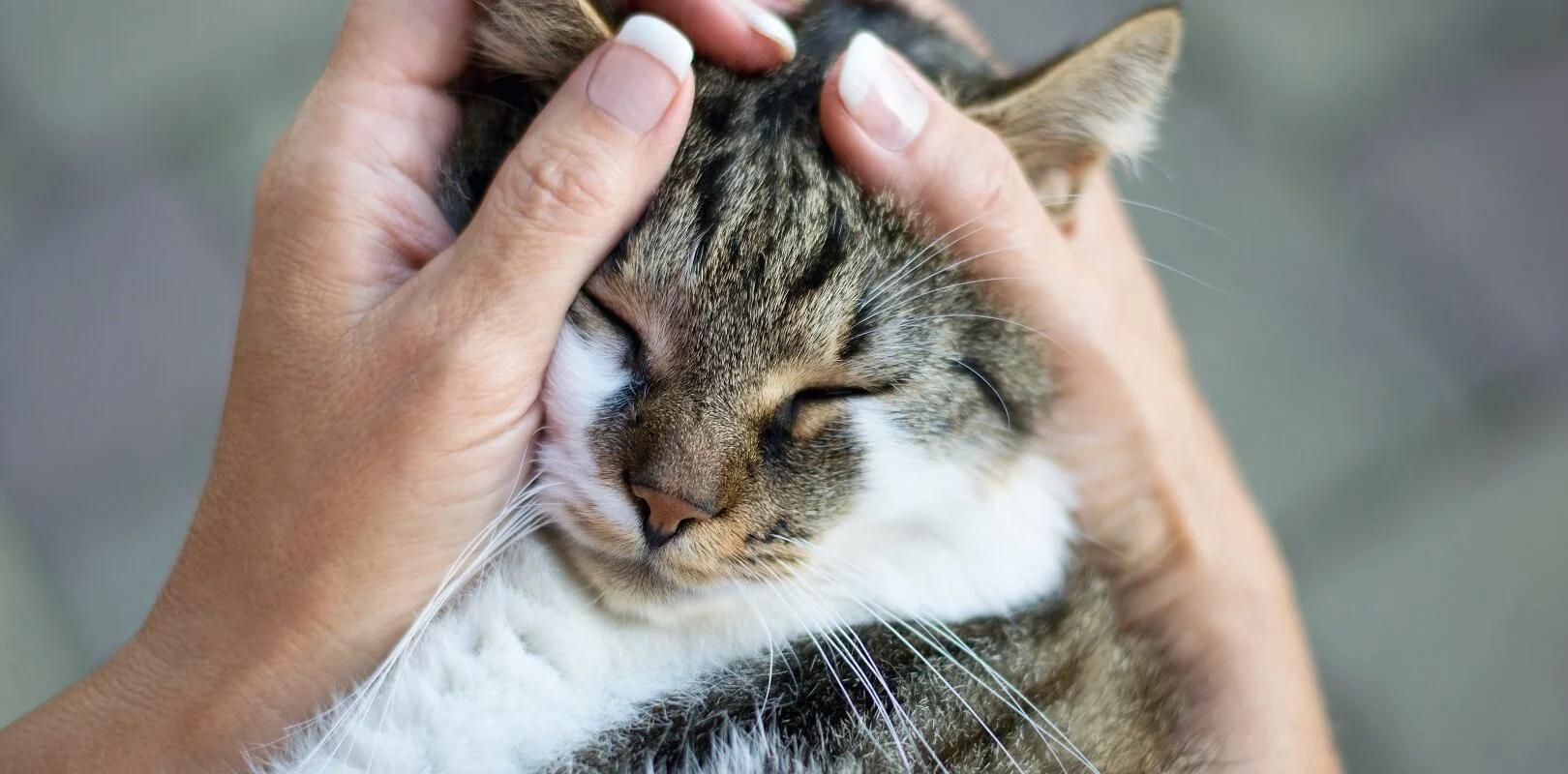
Cats are generally considered seniors between 7 and 10 years of age. At this life stage, a decrease in activity levels and a slowing metabolism bring important nutritional changes.
Kittens burn through calories in order to fuel muscle development, so high-calorie diets are recommended for these energetic early months.
As they get older, and their growth slows down, a complete and well-balanced diet is aimed at maintaining a healthy weight.
Here’s what you need to know:
Key Dietary Needs for Senior Cats:
- High-quality animal protein as the first ingredient to maintain muscle mass
- Moisture-rich foods (wet food provides approximately 75-80% moisture content) for hydration
- Easier-to-chew textures for dental comfort
- Controlled calories to prevent weight gain
- Nutrient-dense foods to support aging joints and immune health
Best Food Types for Senior Cats
When putting together a diet for senior cats, there’s plenty to think about, including which food types are best.
Here, we’ll break down the benefits of each one, so you can begin to plan the perfect diet for your cat.
Wet Food for Older Cats
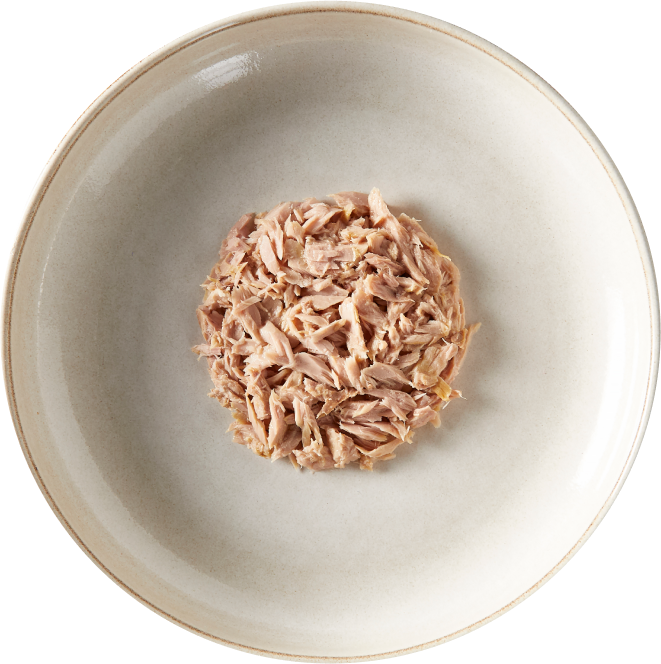
Some older cats with dental difficulties may have a tough time crunching through dry food and will find the softness of wet food comforting on their teeth and gums.
The high moisture content found in wet food (approximately 75-80%) can also be beneficial to senior cats with digestive or urinary tract issues, or whose hydration levels are lower than you’d like. According to veterinary nutrition guidelines, adequate hydration is especially important for senior cats prone to kidney issues.
Cats can become fussier as they age. Wet food is closer to a cat’s natural diet so may be more appealing to a senior cat who has lost their appetite.
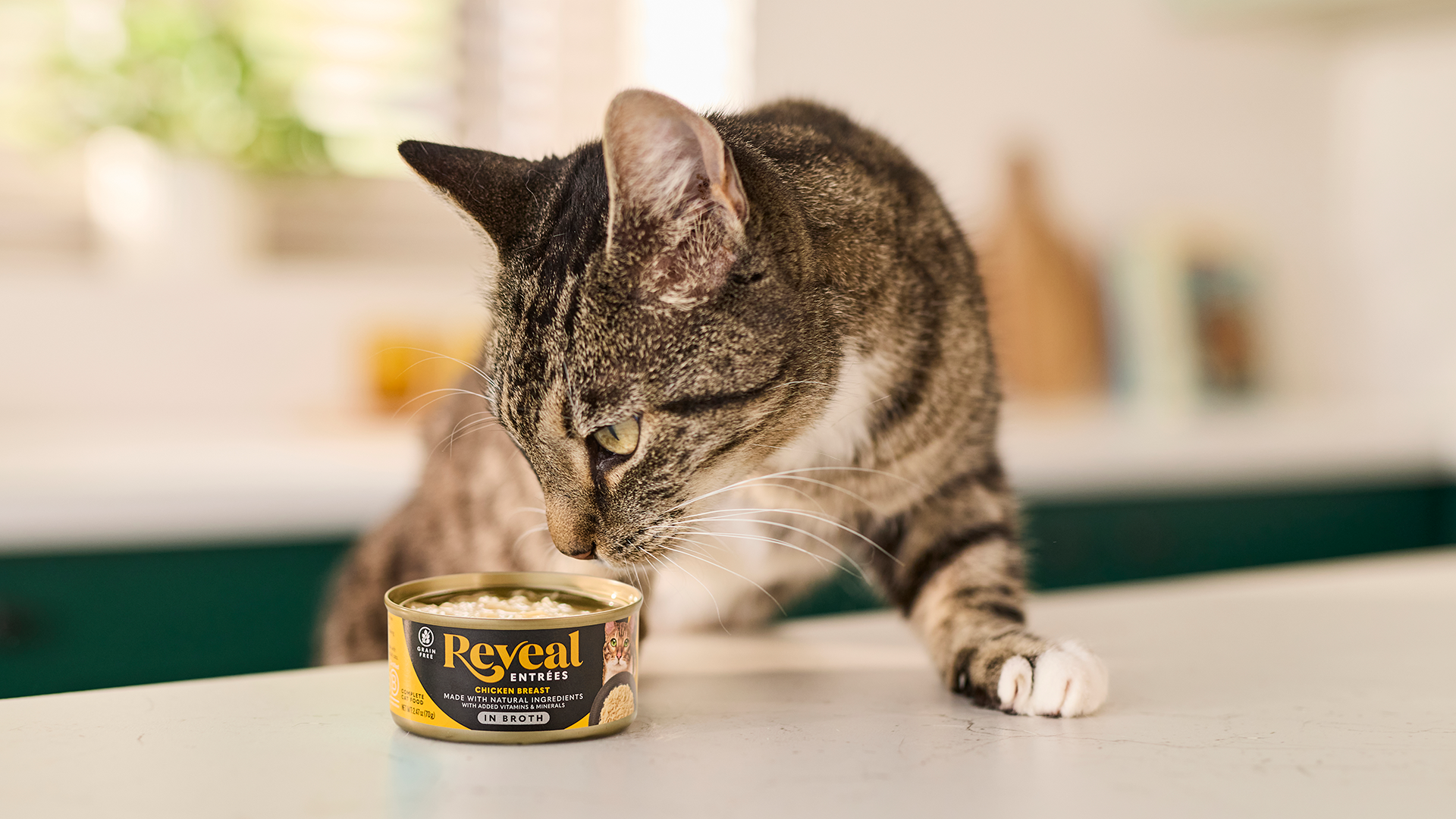
All of Reveal’s wet cat food recipes are designed to provide maximum flavor, and they also contain no artificial colors, additives or preservatives.
Broth
Broth is rich in minerals like magnesium and calcium, so will strengthen bones in senior cats. It can settle stomachs, soothe ageing joints, and provide much-needed hydration.
The bone marrow present in broth will also bolster your cat’s immune system.
If your senior cat’s appetite has waned in their later years, broth has a tempting taste and smell that could entice them back to the bowl.
Dry Food
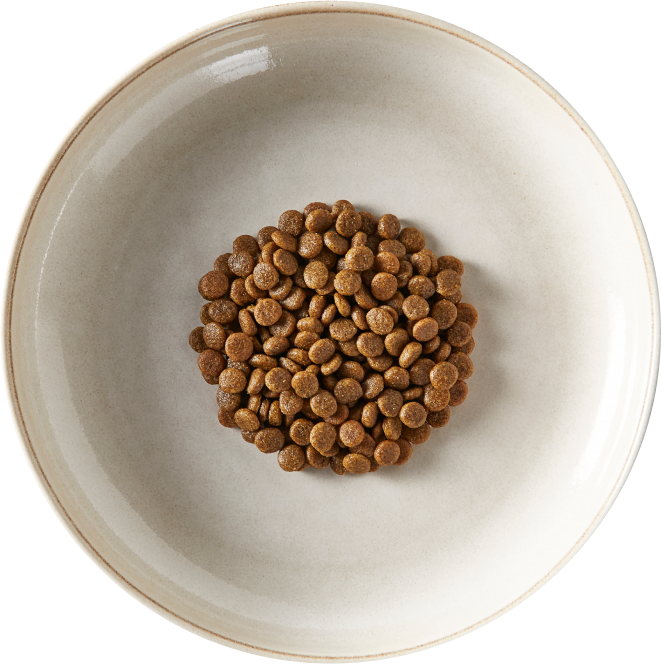
High-quality dry food, also known as kibble, plays a vital role in a senior cat’s diet. It’s packed full of concentrated goodness, and should be part of a complete, wholesome, varied diet.
It is not uncommon for senior cats to suffer from issues surrounding their weight.
Dry food portion control will allow you to comfortably adjust the amount you’re feeding your cat depending on how much or how little they need.
And because dry food will not spoil quickly, it can be left out throughout the day allowing a grazing senior cat to choose when they eat.
Warm water will soften kibble making it easier to eat if a senior cat is struggling with teething problems.
Raw Diet
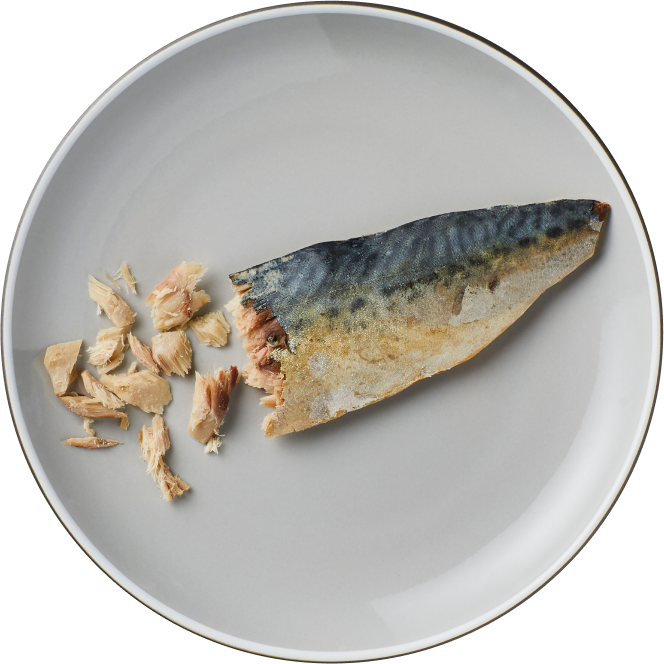
A raw food diet can have significant health benefits for senior cats. Cats have evolved eating a prey-based diet; one that’s raw and full of fresh, natural nutrients.
High-quality animal meat is an incredible source of protein. As well as keeping your senior cat strong and healthy, it may improve digestion and deliver an energy boost to a lethargic feline.
Important: If you are considering a raw diet for your senior cat, consult with your veterinarian first. Raw diets carry potential risks including bacterial contamination and nutritional imbalances. Like with any diet change, make sure the transition is gradual, and ensure you understand both the benefits and potential risks for your pet and family members.
How Often to Feed a Senior Cat
Senior cats typically need one meal per day, or 2-3 smaller portions if they struggle with large servings.
Senior cats need to be fed a high-quality diet with a careful balance of nutrients. They require a similar amount of calories to adult cats. If you find one large serving overwhelms them, split into smaller portions and serve at different points throughout the day. Every cat is different though so use this as a guide and adjust accordingly.
If your senior cat has health problems, speak with a vet first to discuss the best course of action.
Frequently Asked Questions
What should I feed my senior cat? Feed your senior cat a diet rich in high-quality animal protein, with adequate moisture from wet foods or broths, and textures that are easy to chew.
Is wet or dry food better for senior cats? Wet food is often better for senior cats due to its higher moisture content and softer texture, though a combination of both can provide variety and nutritional balance.
When should I switch to senior cat food? Most cats should transition to a senior diet between 7 and 10 years of age, when their metabolism slows and activity levels decrease.
How much water does a senior cat need? Senior cats need consistent hydration; wet food and broths can help supplement water intake, especially for cats who don’t drink enough on their own.
Key Takeaways
- Senior cats are typically 7-10 years old and have different nutritional needs than younger cats
- Prioritize high-quality animal protein as the first ingredient to maintain muscle mass
- Wet food and broths provide essential hydration (75-80% moisture content) for aging cats
- Feed once daily or in 2-3 smaller portions based on your cat’s preference
- Consult your veterinarian before making significant diet changes, especially for cats with health issues