

Does diet affect the amount my cat is shedding?
Author: Reveal Pet Food
Date: March 13, 2026
Key Takeaways:
- Diet directly impacts your cat’s coat health; poor nutrition is a leading cause of excessive shedding
- Key nutrients for reducing shedding include protein, omega-3 and omega-6 fatty acids, zinc, vitamin A, and biotin
- Dietary improvements typically take 4-6 weeks to show visible results in coat condition
- Other factors like stress, parasites, medical conditions, and lack of grooming can also cause excessive shedding
- Cat hair is 65-95% protein, making high-quality protein essential for coat health
Cats shed every day, some breeds more than others.
Finding hair around the house or all over your clothes regularly is nothing to be worried about. This is considered normal shedding—a natural process where cats lose small amounts of hair daily.
There is no way of stopping the natural shedding process, and you wouldn’t want to. This is how cats get rid of any dead, unnecessary hair.
Excessive shedding, however, is different. Signs include visible bald patches, a noticeably thinning coat, unusually large clumps of fur, or significantly more hair than usual on furniture and clothing. If you are noticing these signs, this could indicate a problem that needs attention.
One of the factors often associated with a shedding cat, and the amount they are shedding, is diet.
Feeding your feline low-quality foods will not provide them with all the nutrients they need for fit, strong bodies or shiny, healthy coats.
Improving their diet can go a long way to reducing the amount of hair they’re shedding, too; not to mention the amount of time you’re sweeping up after them.
What diet should I give to my cat if they have persistent shedding issues?
Too much shedding can sometimes be a sign of underlying health problems.
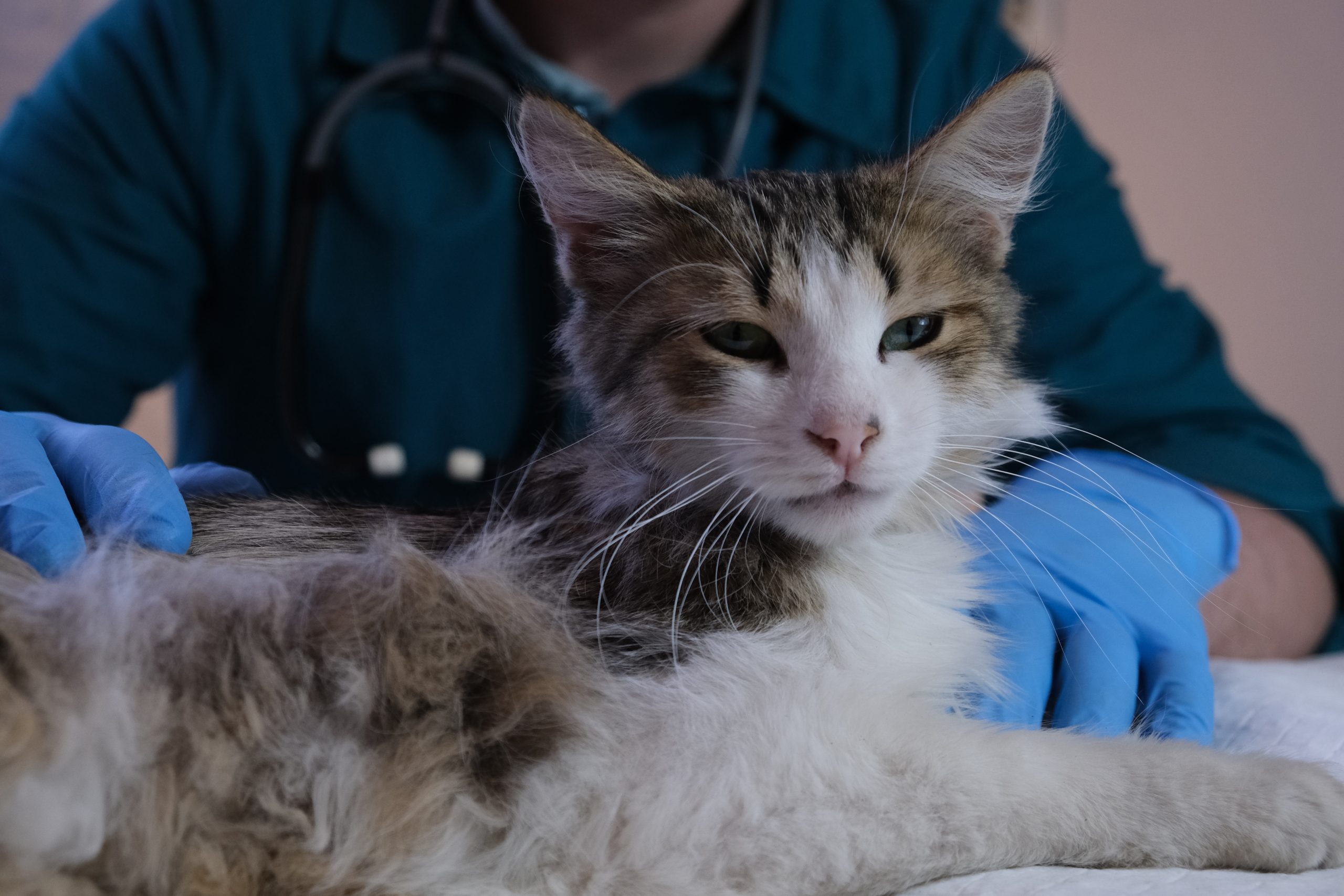
If you think your cat’s hair loss may be linked to a more serious medical condition, you will need to speak with your vet.
However, more often than not, some dietary changes will help with any persistent shedding issues.
Since cat hair is 65-95% protein, and skin and coat account for 10-15% of a cat’s body weight, nutrition plays a critical role in coat health.
Key nutrients for reducing shedding:
- Protein – Cat hair is made primarily of protein (keratin), so high-quality protein sources are essential for strong, healthy fur growth
- Omega-3 fatty acids – Reduce inflammation and promote a shiny, moisturized coat
- Omega-6 fatty acids – Support skin barrier function and overall coat health
- Zinc – Aids in skin cell regeneration and hair follicle health
- Vitamin A – Supports skin cell production and sebum regulation for a healthy coat
- Biotin – Strengthens hair structure and reduces brittleness
Take your time when changing a cat’s diet and be patient. It typically takes 4-6 weeks to notice a reduction in the amount of shedding.
Are there other issues that could be causing shedding?
| Cause | Signs | Recommended Action |
|---|---|---|
| Lack of grooming | Matted fur, visible loose hair, difficulty reaching certain areas (especially in overweight cats) | Regular brushing and combing; assist cats with dental issues, illness, or mobility problems |
| Stress and anxiety | Obsessive licking, bald patches, irritable skin | Identify and eliminate stressors (moving home, loud noises, routine changes); consult a vet if persistent |
| Parasites | Excessive scratching, missing fur patches, red spots on skin | Seek veterinary treatment promptly; preventative measures are difficult but treatment is generally quick |
| Medical conditions | Excessive shedding, skin changes, other symptoms like weight loss or increased thirst | Consult a vet immediately; conditions like hyperthyroidism require treatment |
| Pregnancy | Significant hair loss, especially around the stomach during nursing | Normal occurrence; fur will regrow after nursing ends |
Choosing the perfect diet for your cat
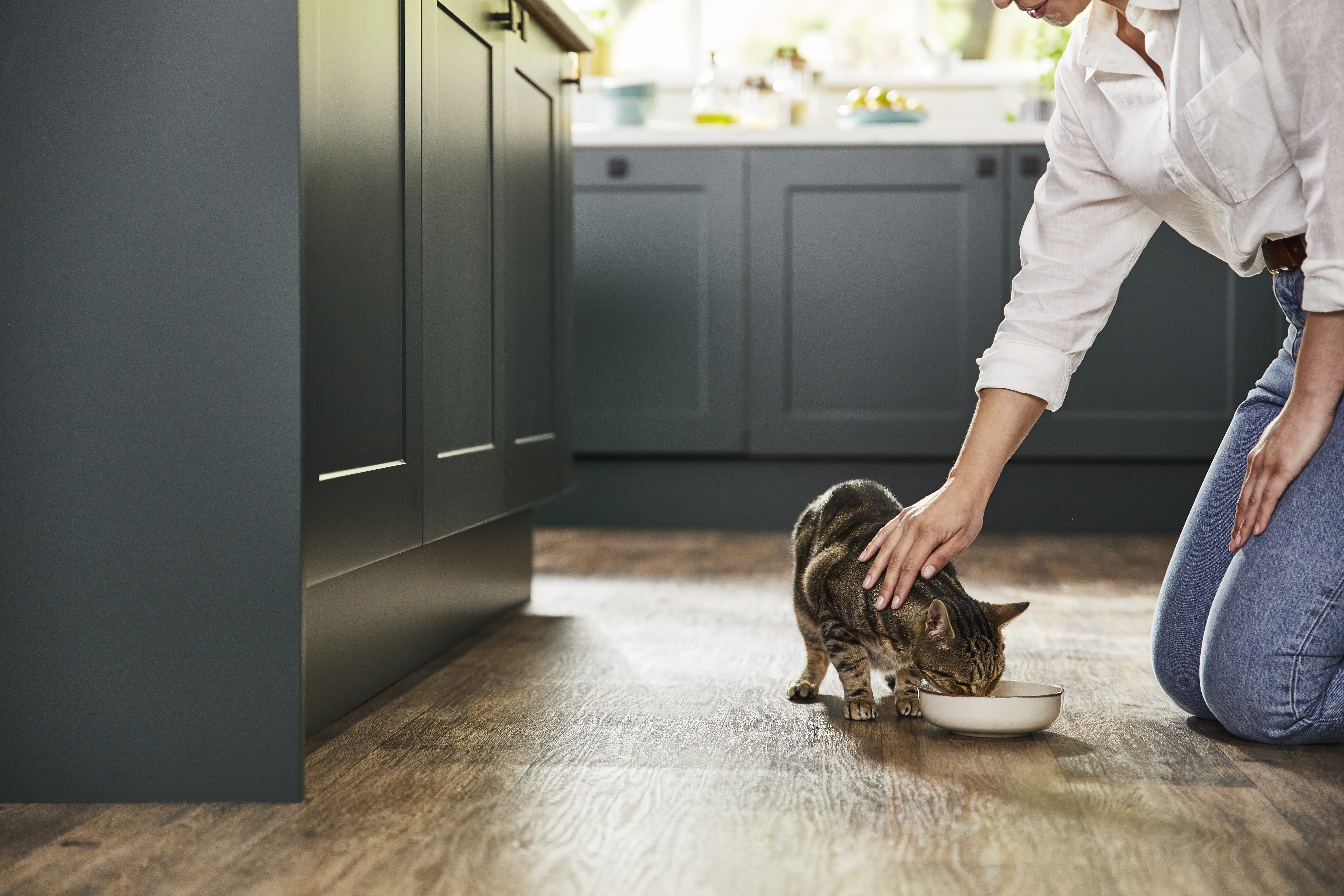
A cat’s diet should contain natural sources of essential nutrients and be free from any artificial flavors or additives.
Wholesome, well-balanced meal times will ensure your feline’s skin and coat remain in pristine condition, eliminating any persistent shedding issues.
A high-quality diet will do more than this though. It will give your cat energy, fuel their muscles, and strengthen their immune system.
Recommended Products
At Reveal, we know just how important it is feeding your cat the perfect diet.
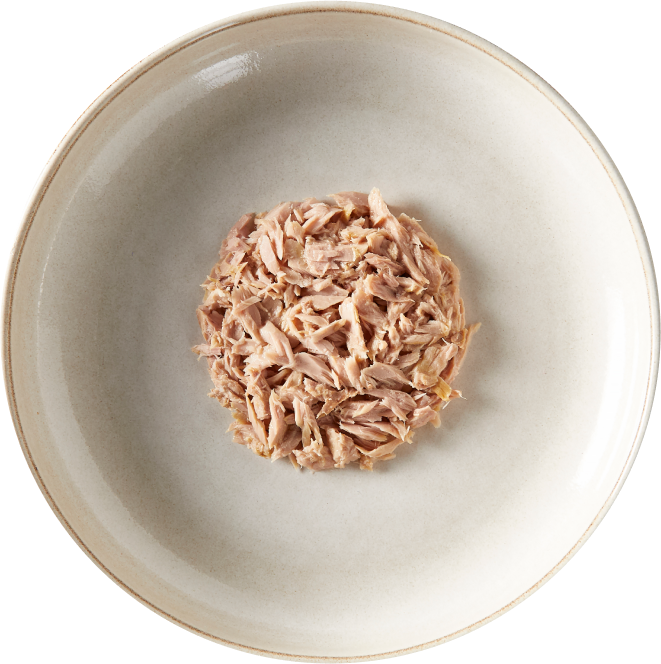
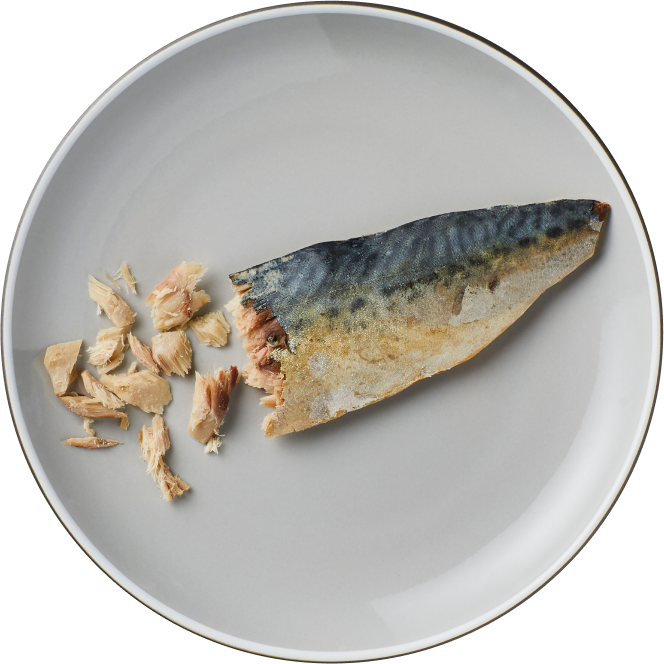
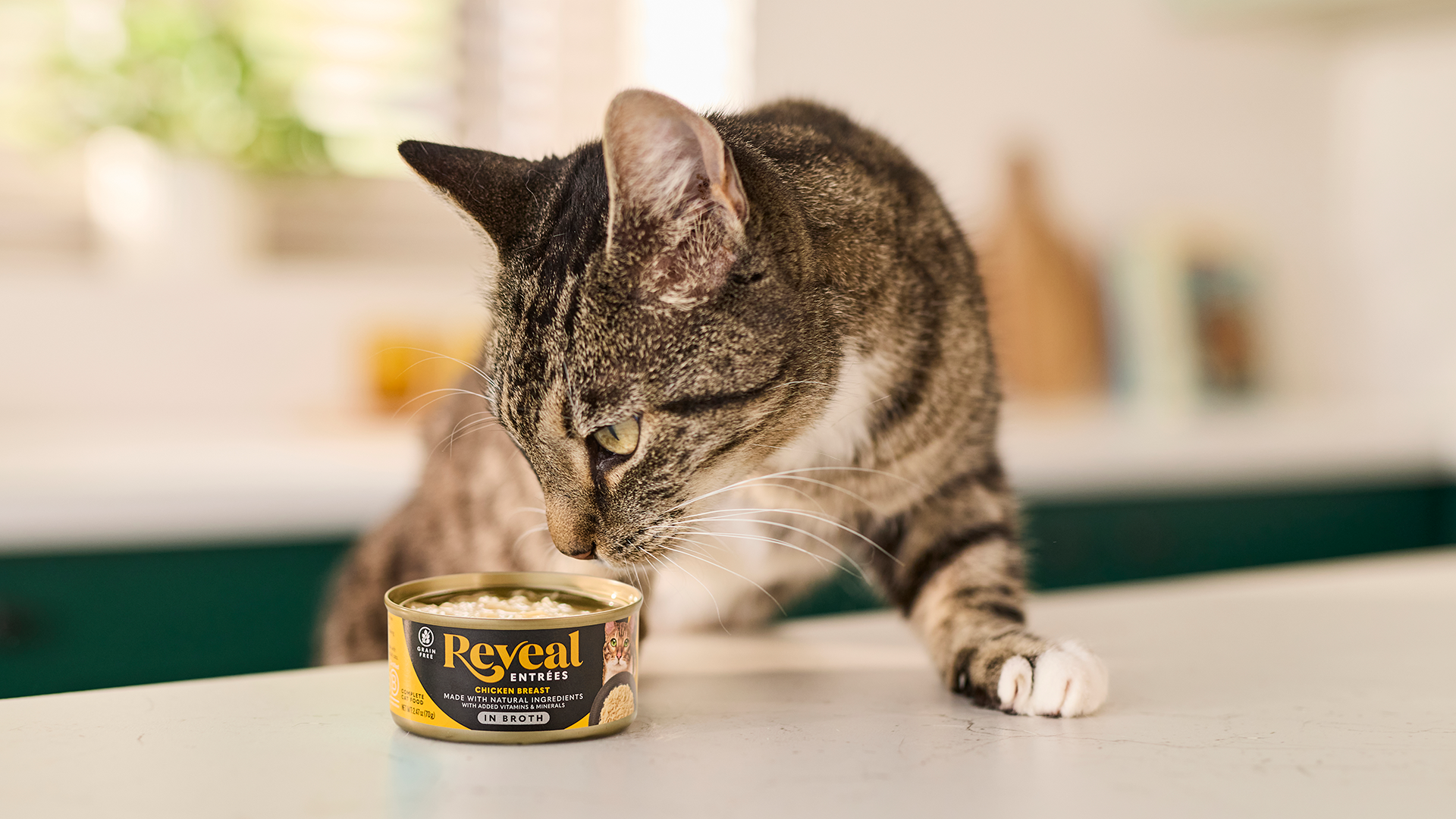
That’s why we have spent years perfecting recipes like our Tuna with Sea Bream in Broth and our Chicken Breast in Gravy.
Filled with goodness, your cat will love feasting on them as much as we love making them.
Frequently Asked Questions
How long does it take for diet changes to reduce shedding? Typically 4-6 weeks, as this allows time for new, healthier fur to grow in.
What foods cause excessive shedding in cats? Low-quality foods lacking sufficient protein, healthy fats, and essential nutrients like omega fatty acids, zinc, and biotin can contribute to excessive shedding.
Can allergies cause cat shedding? Yes, food allergies and environmental allergies can cause skin irritation, leading to scratching and increased hair loss.
How can I tell if my cat’s shedding is excessive? Signs of excessive shedding include visible bald patches, a noticeably thinning coat, unusually large clumps of fur, or significantly more hair than your cat normally loses.