


How active should a senior cat be?
Author: Reveal Pet Food
Date: March 19, 2026
Senior Cat Definition: Cats are generally considered senior between 7 and 11 years of age, depending on individual health factors and veterinary guidance. The American Association of Feline Practitioners classifies cats as “senior” from ages 11 – 14 and “mature” from 7 – 10 years.
As cats age, necessary adjustments are needed in order for them to continue having happy and healthy lives.
The fact is, no two cats are the same, and so age-related physical signs can begin to occur at completely different stages of a cat’s life.
Signs your feline friend is starting to “get over the hill” include loss of appetite and behavioral changes.
Their immune system also begins to weaken, leading to the possibility of increased bouts of illness, along with several age-associated disorders.
Another big indicator is their activity levels.
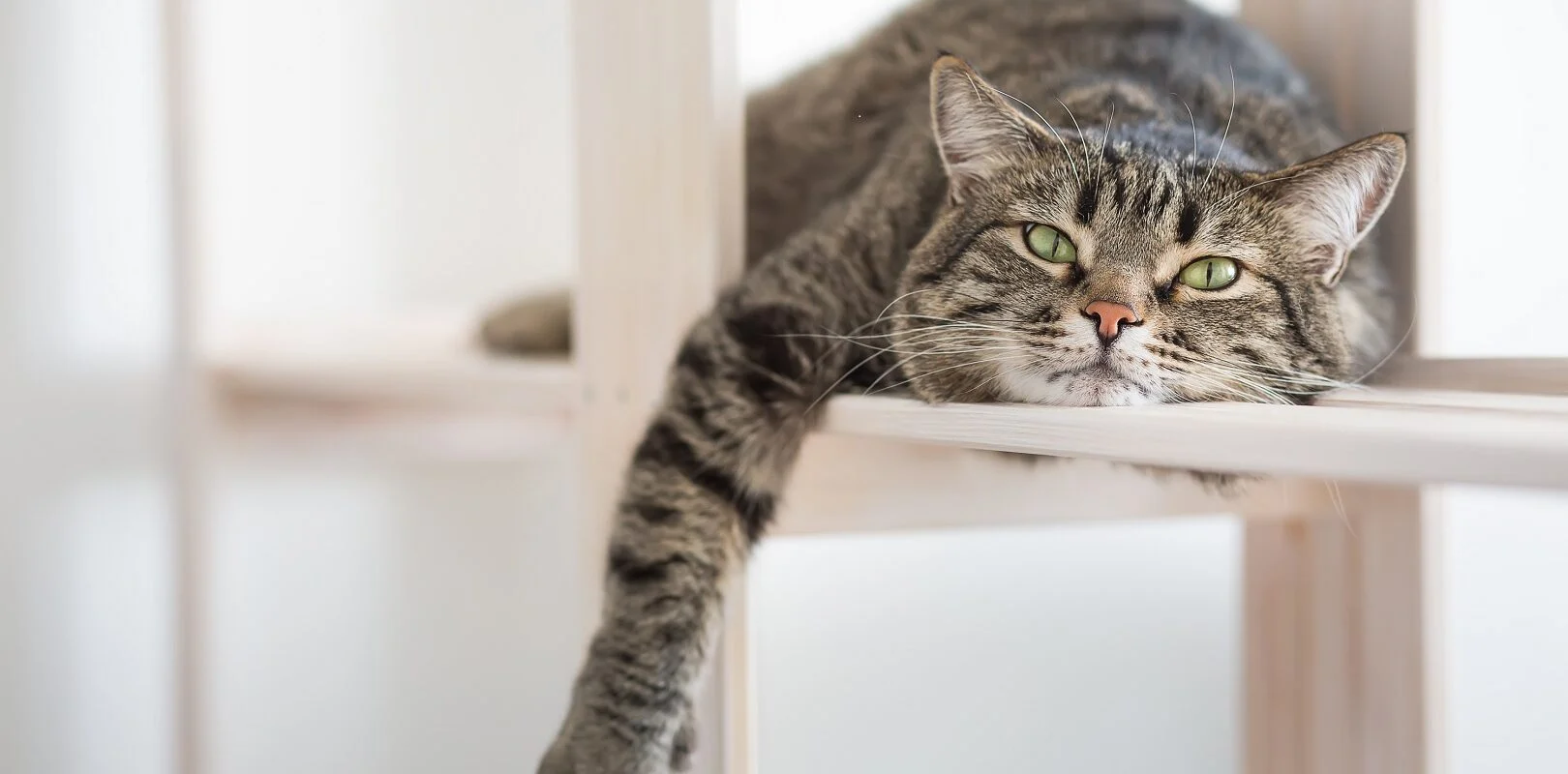
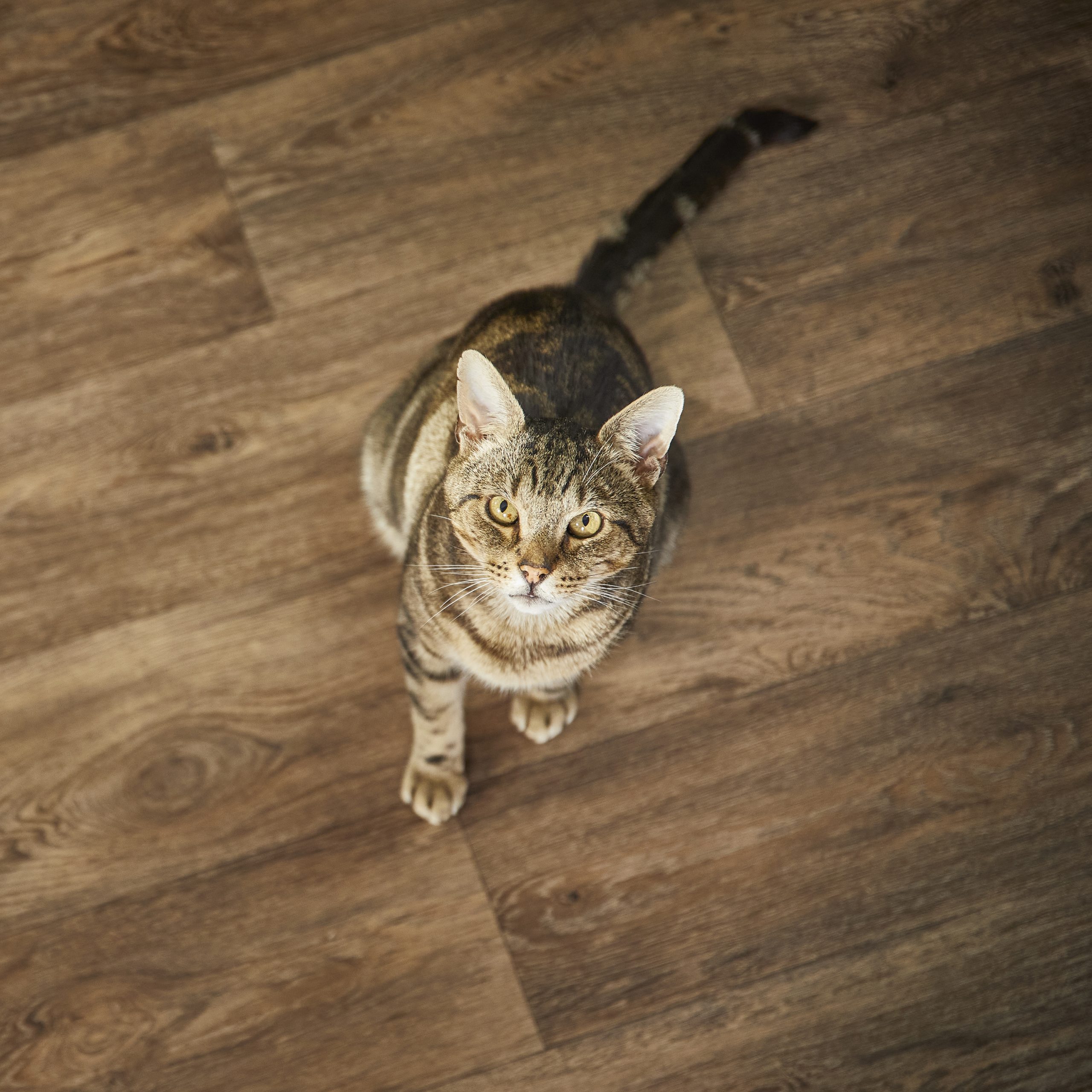
Older cats tend to be less playful. They don’t hunt as much, spend less time outside, and sleep for longer periods.
But we still need to make sure they’re getting as much exercise as their bodies will allow.
Exercise for senior cats is essential when it comes to keeping their bodies and brains healthy, as well as keeping their weight under control.
Ailing health can make things tricky, but you should try and schedule at least one play or exercise session every day, keeping it gentle and limiting sessions to 10 – 15 minutes. Focus on low-impact activities that encourage movement without straining joints.
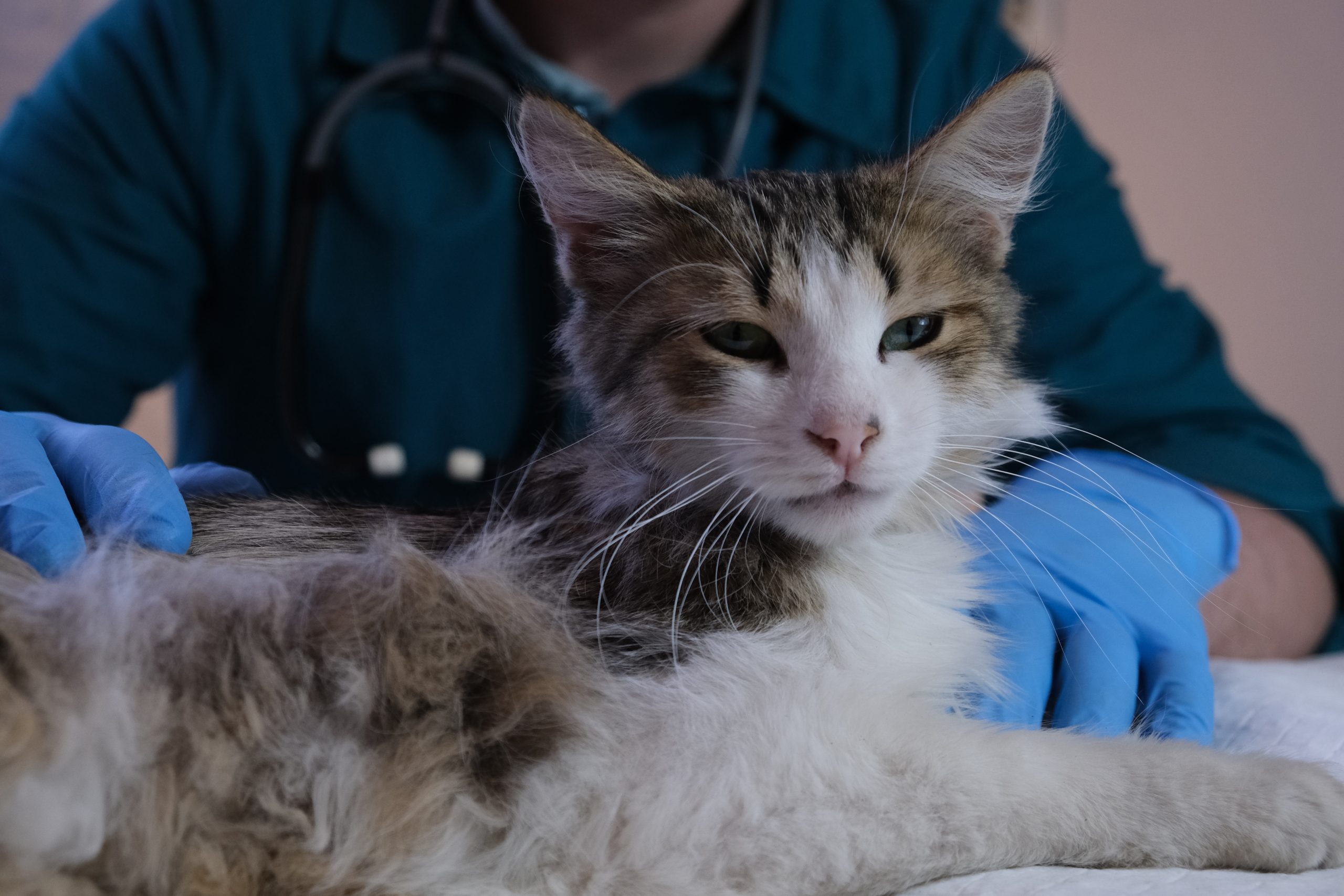
Don’t always assume that a drop in activity levels is due to old age, either. Behavioral changes can be caused by injury or illness, and if you believe this could be the case, they should be investigated thoroughly by a vet.
Key Takeaways
- Recommended activity: At least one gentle play session daily, lasting 10 – 15 minutes
- Normal aging signs: Gradual decrease in play, more sleep, less interest in hunting
- Warning signs: Sudden inactivity, reluctance to move, hiding, or signs of pain
- When to see a vet: If activity drops suddenly or is accompanied by appetite loss, limping, or behavioral changes
- Exercise benefits: Maintains healthy weight, supports joint mobility, and provides mental stimulation
Normal Activity Decline vs. Signs to See a Vet
| Normal Age-Related Changes | Veterinary Attention Needed |
|---|---|
| Gradual decrease in playtime | Sudden refusal to move or play |
| Sleeping more throughout the day | Hiding or avoiding interaction |
| Less interest in hunting or exploring | Limping, stiffness, or difficulty jumping |
| Preferring shorter play sessions | Vocalization when moving or being touched |
| Slower movements | Rapid weight loss or gain |
How to prompt your senior cat to exercise
- Use their favorite toy. Regular play sessions are a fantastic way of keeping cats active, not to mention mentally stimulated. Remember though, cats can become tired of playing with the same things over and over again. Keep it interesting by introducing new toys, while also alternating the types of games you play with them.
- Offer healthy treats sparingly. We tend to feed our cats treats when they’ve done something good. After all, positive reinforcement helps form positive behaviors. Healthy snacks can also be used to encourage exercise. Playing games like hide and seek using treats is a fun way of motivating cats to earn their reward. Treat-release games are also an enjoyable and stimulating form of entertainment for felines.
- Learn what they love and keep doing it. Cats love their routines. If there’s something in particular your feline loves doing and it happens to keep them active, then encourage it as often as possible. It may be that they love playing with a certain toy or enjoy running around a certain part of the garden. The happier your cat is, the healthier they’ll be.
- Create a simple obstacle course. What better way to encourage your senior feline to exercise than with a fun obstacle course? Now, the older your cat is, or the more prone to injury they are, the simpler you’ll want to keep things. A few weaving poles and a jump hoop should do the trick to begin with, and you can then add in further sections if and when you think they’re up to it. Use toys or treats to entice them if they’re initially wary; under no circumstances ever force them to participate.
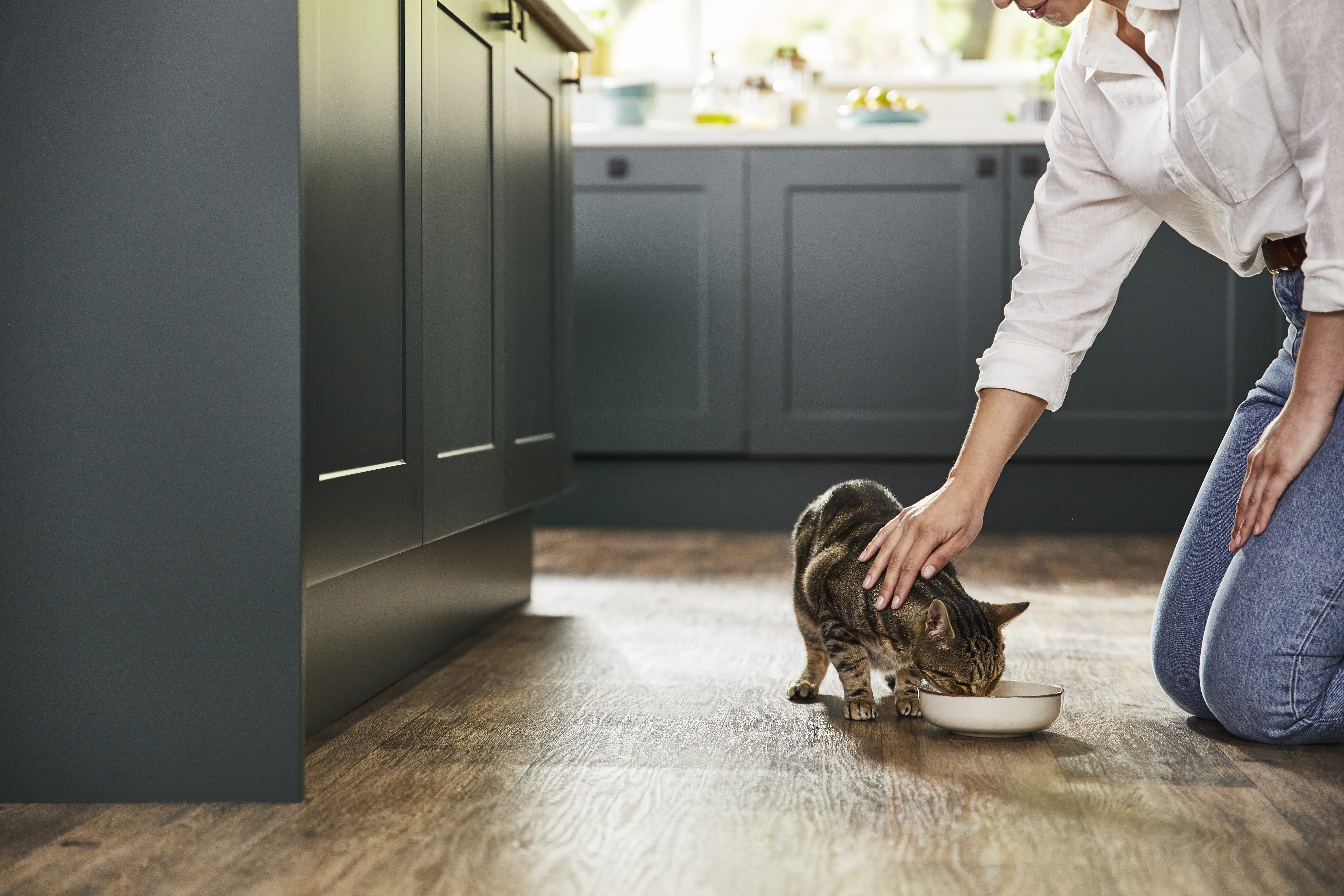
- Transform the environment. There’s plenty of other things you can do around the house, aside from create obstacle courses, that may invigorate an idle feline. Try placing their litter box on a table or window sill, being aware of your aging cat’s abilities and limitations. You could do the same with their food bowls, making them work that little bit harder for mealtime. Leaving bits of food around the house is another way of enticing them to exercise a little. Always make sure your cat is able to reach their food.
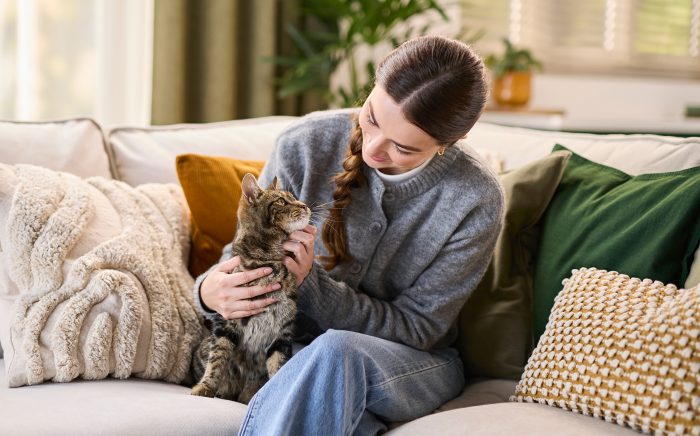
- Spend quality time together. Cats are generally very good at keeping themselves busy. If they’re not venturing outside to explore, they’ll happily spend their time playing with toys or jumping all over your furniture. This doesn’t mean they don’t enjoy company though, especially older cats who are at risk of becoming even more lethargic the longer they’re left alone. Felines benefit hugely from pet parent interaction – as do we – so be sure you have plenty of quality one-on-one time.
- Keep sessions short and gentle. Exercise should get the blood pumping, but you don’t want to push an aging cat too far. Sessions should be about stimulation, not tiring them out to the point they can’t move. Keep sessions short and sweet and keep an eye on how they are reacting. If they’re out of breath, or struggling to move, take things slower, or stop completely.
Don’t forget their diet
Nutrition plays an important role in keeping our senior cats healthy and active.
The wrong diet can leave a feline feeling sluggish and lethargic. To avoid this, we need to be feeding them meals packed with high-quality ingredients and body-boosting nutrients.
As cats grow older, it’s not uncommon for some to lose their appetite, a factor that in itself will inevitably cause a drop in energy levels.
This is why mealtimes, as well as being nourishing, also need to be appealing, appetizing and easy to digest.
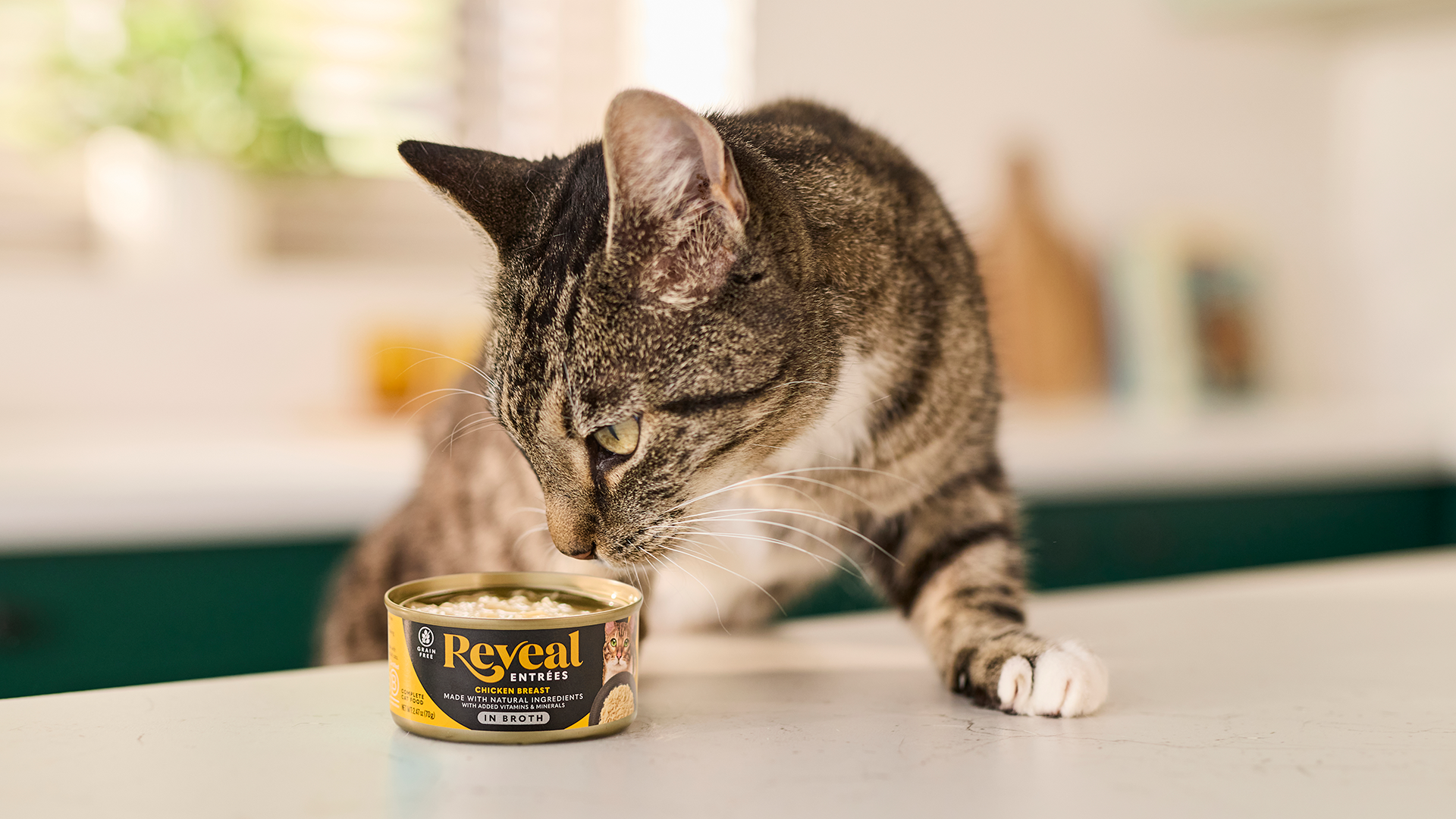
Reveal’s senior line wet foods, which we recommend serving alongside dry kibble as part of a complete and well-balanced diet, tick all these boxes.
No pet diet would be complete without treats, but if you are dishing out the occasional reward, only serve up healthy ones.
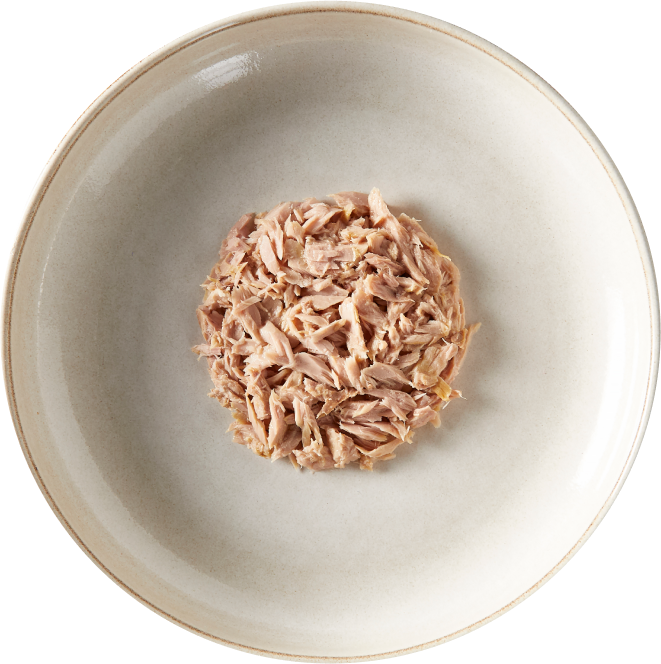
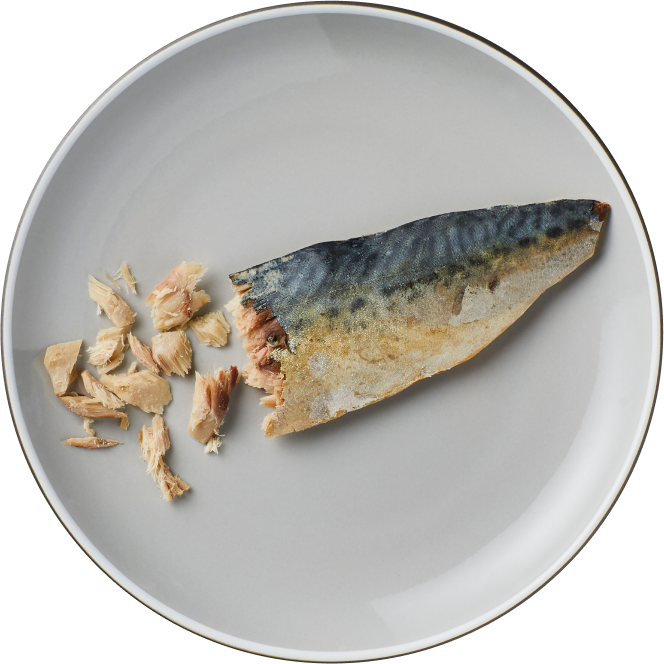
Reveal’s Whole Tuna Loin treats are just that. 100% tuna, 100% natural, 100% delicious. A Tuna Loin trail around the house will have your senior feline up and about in no time at all.
Frequently Asked Questions
How much exercise does a senior cat need daily? Senior cats benefit from at least one gentle play session per day, lasting 10 – 15 minutes. Focus on low-impact activities that encourage movement without overexertion.
What are signs a senior cat is too inactive? Warning signs include sudden reluctance to move, hiding, weight gain, stiff joints, and loss of interest in activities they previously enjoyed. If inactivity is accompanied by changes in appetite or behavior, consult your veterinarian.
Is it normal for older cats to sleep more? Yes, senior cats typically sleep 18 – 20 hours per day, which is normal. However, a sudden increase in sleep combined with decreased interest in food or play may indicate a health issue worth investigating.