

How much water should your cat be drinking per day?
Author: Reveal Pet Food
Date: June 16, 2026
Quick Answer: A cat should drink approximately 0.8 ounces of water per pound of body weight per day — about 8 ounces for a 10-pound cat. Cats eating primarily wet food will naturally drink less from their bowl since wet food is approximately 70-80% water.
What is the normal amount of water for a cat to drink in 24 hours?
The amount of water a cat drinks daily can vary depending on a number of factors.
Size, breed, age and lifestyle all play a role in how often they’ll take a trip to the water bowl in a day.
A general guide for many is 0.8 oz of water per lb of bodyweight.
The average cat weighs around 10 lb, so will need approximately 8 oz of water each day.
Water Intake by Cat Weight
| Cat Weight | Daily Water Intake |
|---|---|
| 5 lb | 4 oz |
| 10 lb | 8 oz |
| 15 lb | 12 oz |
| 20 lb | 16 oz |
Wet Food vs. Dry Food: How Diet Affects Water Intake
Another detail to consider is your cat’s diet and the ratio of dry to wet food they’re being fed.
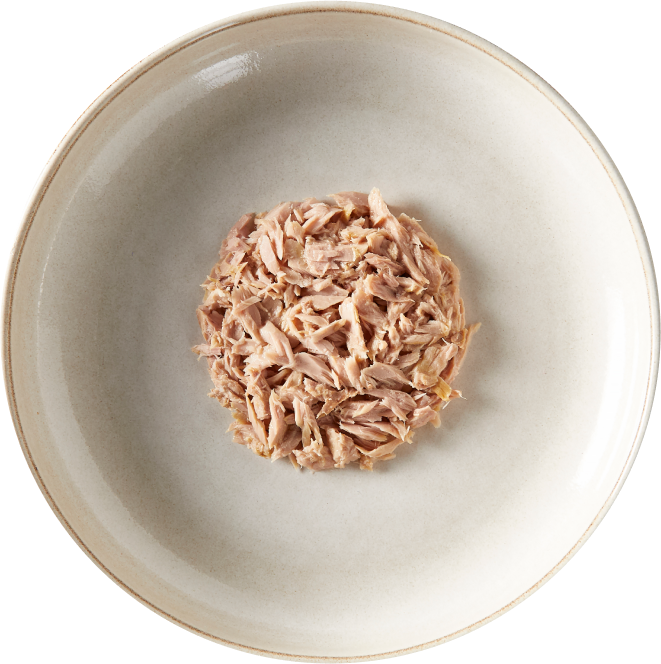
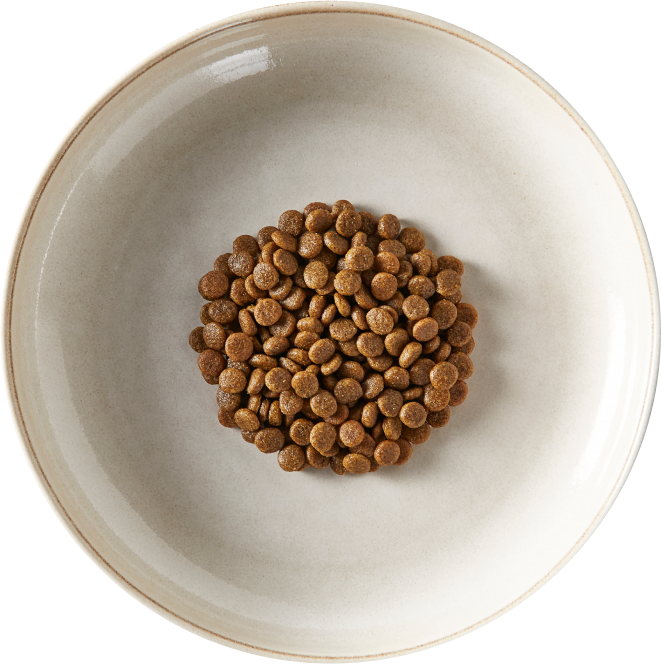
Wet food is approximately 70-80% water, so cats eating primarily wet food will drink less from their bowl—this is normal and expected. If they’re eating predominately dry food then you are going to want to up the levels of water they’re drinking, as dry food contains only about 10% moisture.
Similarly, as the temperature begins to rise, your cat is going to want to cool off by drinking more.
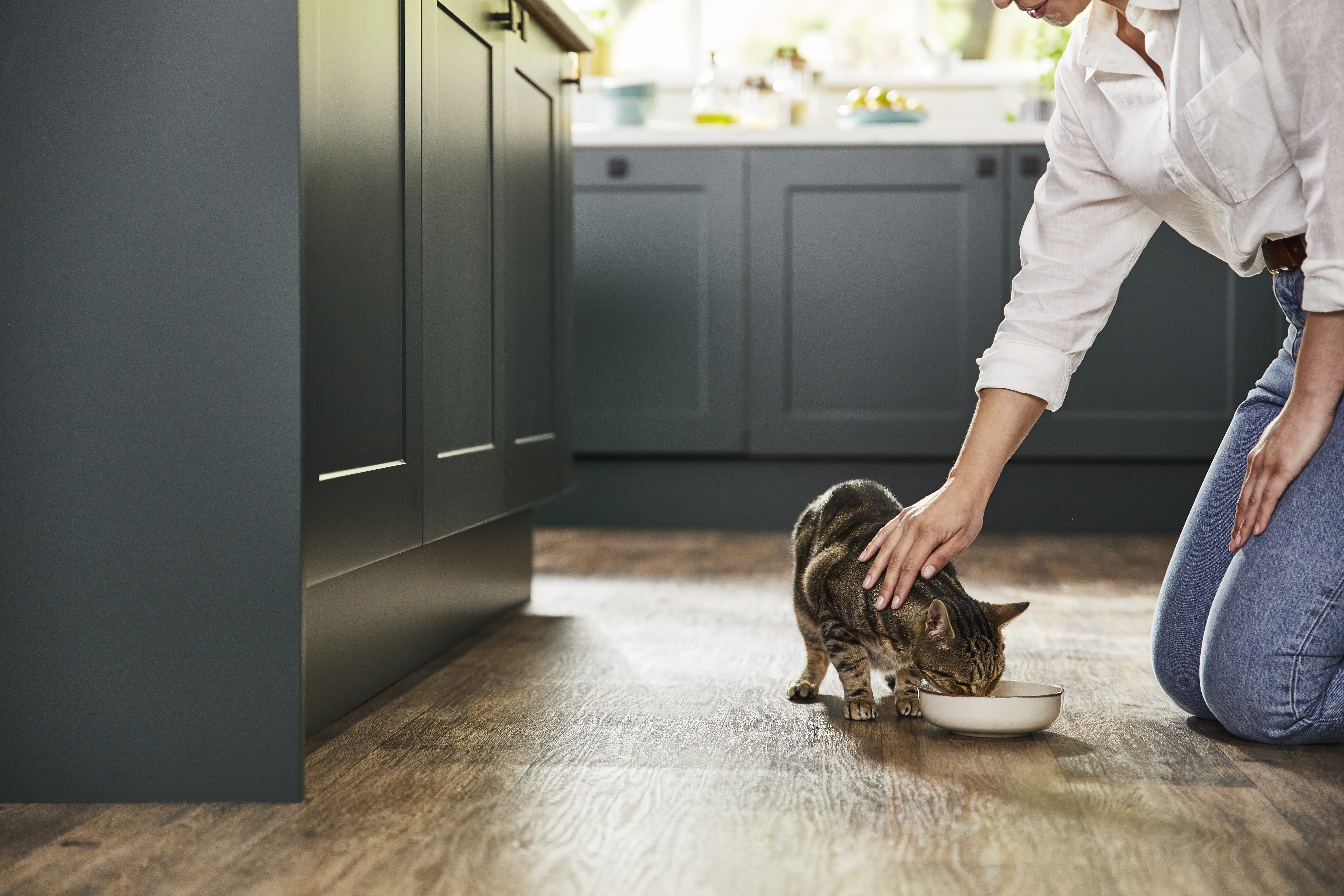
It is imperative that cats have easy access to fresh, clean water at all times. This way they are able to drink as much as they like.
Signs your cat may be dehydrated
Dehydration in cats occurs when fluid loss exceeds fluid intake, leading to reduced skin elasticity, lethargy, and other symptoms. Dehydration in cats is extremely dangerous. These tell-tale signs will show if you need to up their hydration levels:
- Open-mouth panting – If your cat is breathing heavily with their mouth open, they could be telling you they want some water. It’s rare for cats to pant, so it’s definitely a matter of concern if you suddenly see them doing it. It may be a sign that they are anxious, stressed…or overheated, a common symptom of dehydration. It could well be that they have just overexerted themselves while on the hunt for a mouse. Place a bowl of water in front of them and you will quickly learn if dehydration is the issue.
- Lack of appetite – There are a number of reasons why a cat may suddenly lose their appetite. If you have noticed they are not eating as much as usual, it could be because they’re not getting enough water. When your cat is eating a dry food diet, it is essential that you make water readily available. You should also monitor their daily water intake. Signs of dehydration are subtle. Checking the amount of water they drink each day is a good way of catching any problems early.
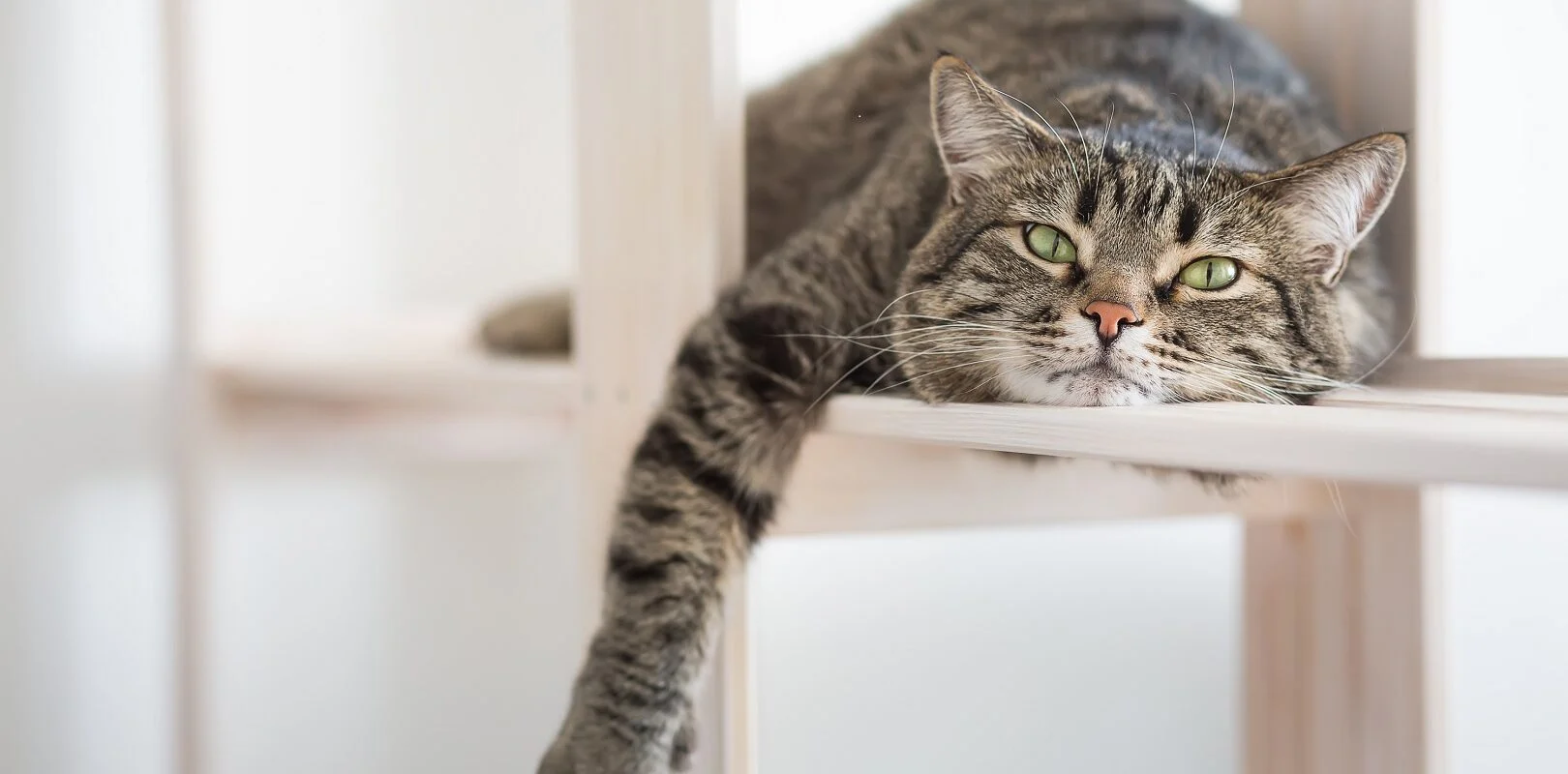
- Lethargy – Loss of energy in cats can be characterized by general inactivity, sleepiness, or a lack of interest in their surroundings. Lethargic cats are also more likely to spend time hiding in rooms, and will not respond to your touch in the same way they usually would. Any of these changes in behavior could be down to the fact your cat has not been consuming enough water. Cats are graceful creatures and if you have noticed them moving strangely, perhaps losing their balance regularly, then this could also be a sign that something is wrong with their hydration levels.
- Skin elasticity changes – Fluid keeps your cat’s skin smooth and elastic. Performing a skin ‘tent’ on your cat is a quick and easy way to see if they are dehydrated. All you need to do is gently pinch the skin between their shoulder blades. If the skin snaps back to normal in a couple of seconds, then there’s no problem. However, if the skin stays in the same position (like a tent) and recedes slowly, then this could be sign of severe dehydration. This test is not 100% accurate, so if you do have any concerns make sure you contact your vet.
- Dry gums and sunken eyes – Another way to test for dehydration is by touching your cat’s gums. Use your finger to gently push up their lip, and slowly press against the gum line. A normal cat’s gums will feel moist and slick, whereas a dehydrated cat’s will be dry and sticky. Thick saliva is an indication a cat may be suffering from dehydration. Slightly sunken or dull eyes can also be a sign that a cat’s body is lacking moisture. Some senior cats naturally have sunken eyes, so other symptoms should be taken into account when figuring out if your cat is dehydrated.
When to See a Vet
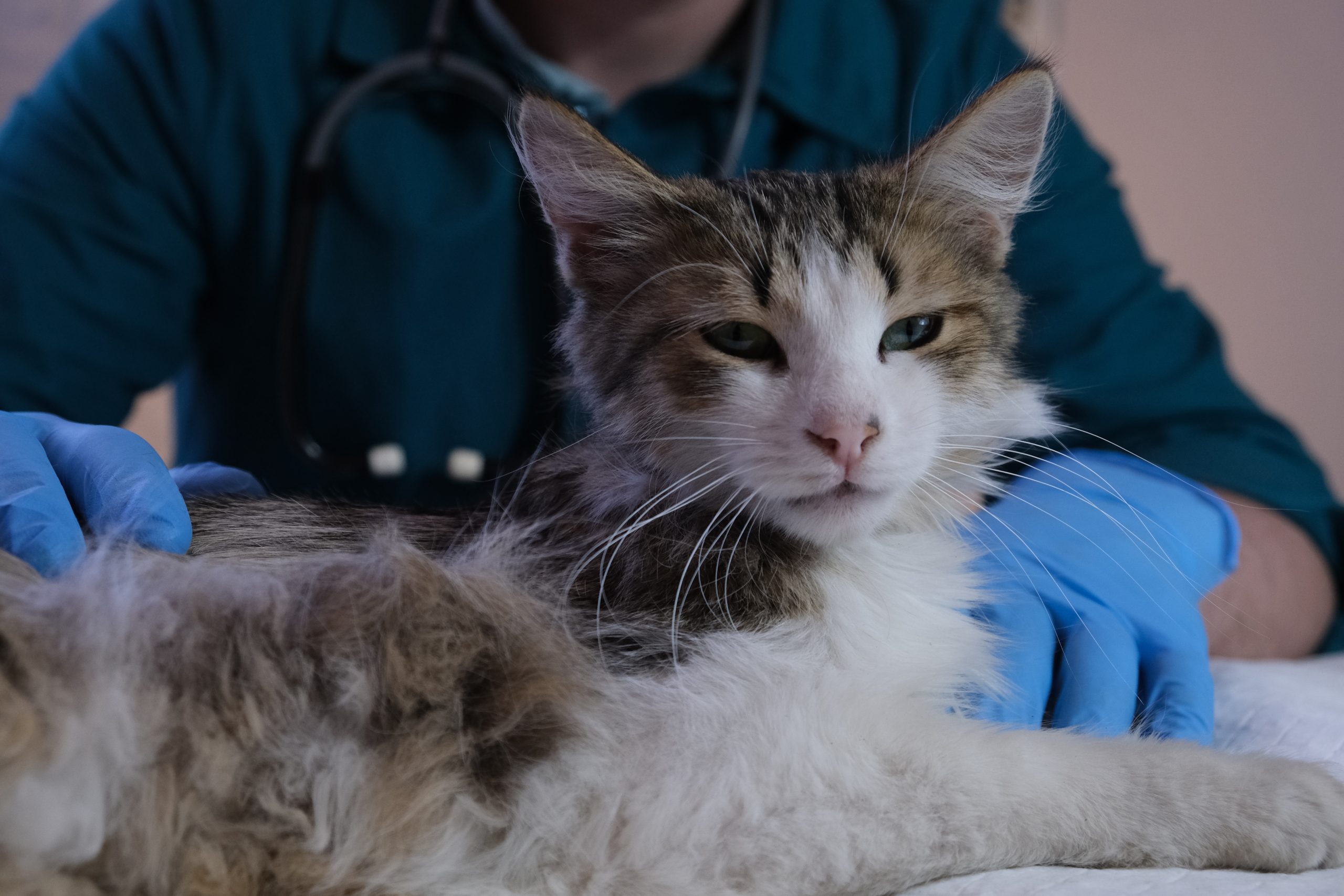
Contact your veterinarian if your cat refuses water for more than 24 hours, shows multiple dehydration symptoms, or suddenly starts drinking significantly more water than usual. A sudden increase in water consumption can indicate underlying health conditions such as diabetes or kidney disease, according to the Cornell Feline Health Center.
Frequently Asked Questions
How do I know if my cat is drinking enough water? Monitor your cat’s water bowl to track daily intake and watch for signs of dehydration like lethargy, dry gums, or reduced skin elasticity. A healthy 10-pound cat should drink approximately 8 ounces of water per day, though cats on wet food diets will drink less from their bowl.
Can cats drink too much water? Yes, excessive water consumption (polydipsia) can indicate health problems such as diabetes, kidney disease, or hyperthyroidism. If your cat suddenly starts drinking noticeably more water than usual, schedule a veterinary appointment to rule out underlying conditions.
Do cats on wet food need to drink as much water? Cats eating primarily wet food typically drink less from their water bowl because wet food is 70-80% moisture. This is normal as they’re still getting adequate hydration through their food. Cats on dry food diets need to drink more water to compensate for the low moisture content.