

How to keep your indoor cat healthy
Author: Reveal Pet Food
Date: March 2, 2026
Keep your indoor cat healthy by providing portion-controlled, high-protein nutrition, creating a dedicated safe space, scheduling 15 – 20 minutes of active play twice daily, offering climbing structures and scratching posts for exercise, and bringing natural light, fresh air, and indoor plants into your home.
Keeping an indoor cat healthy means proactively addressing the unique challenges of an indoor lifestyle (primarily obesity, boredom, and reduced physical activity) through proper nutrition, mental enrichment, and regular exercise. Indoor cats face higher risks of weight gain, behavioral issues from understimulation, and muscle loss due to limited movement compared to free-roaming cats.
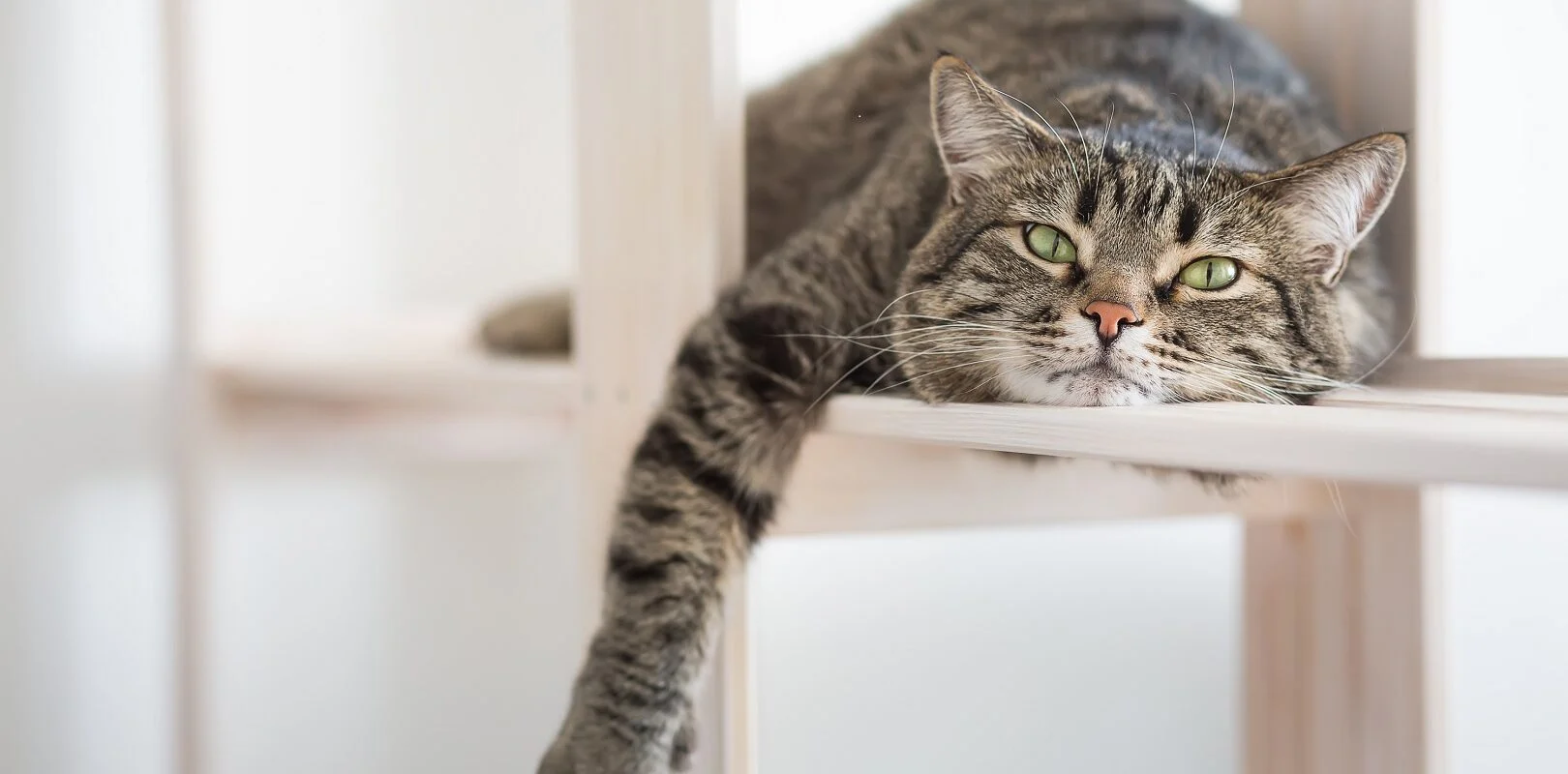
Cats are active creatures – when they’re not enjoying a snooze – who love to roam.
Exploring their environment allows them to work off all that extra energy, helping them maintain a healthy body weight.
It’s not just their physical condition, but mental stimulation plays a huge role, too.
Fortunately, there’s plenty you can do to keep your indoor cats happy and healthy.
And this blog will cover everything you need to know, from scratching posts to the best nutrition.
5 steps to a happier, healthier indoor cat
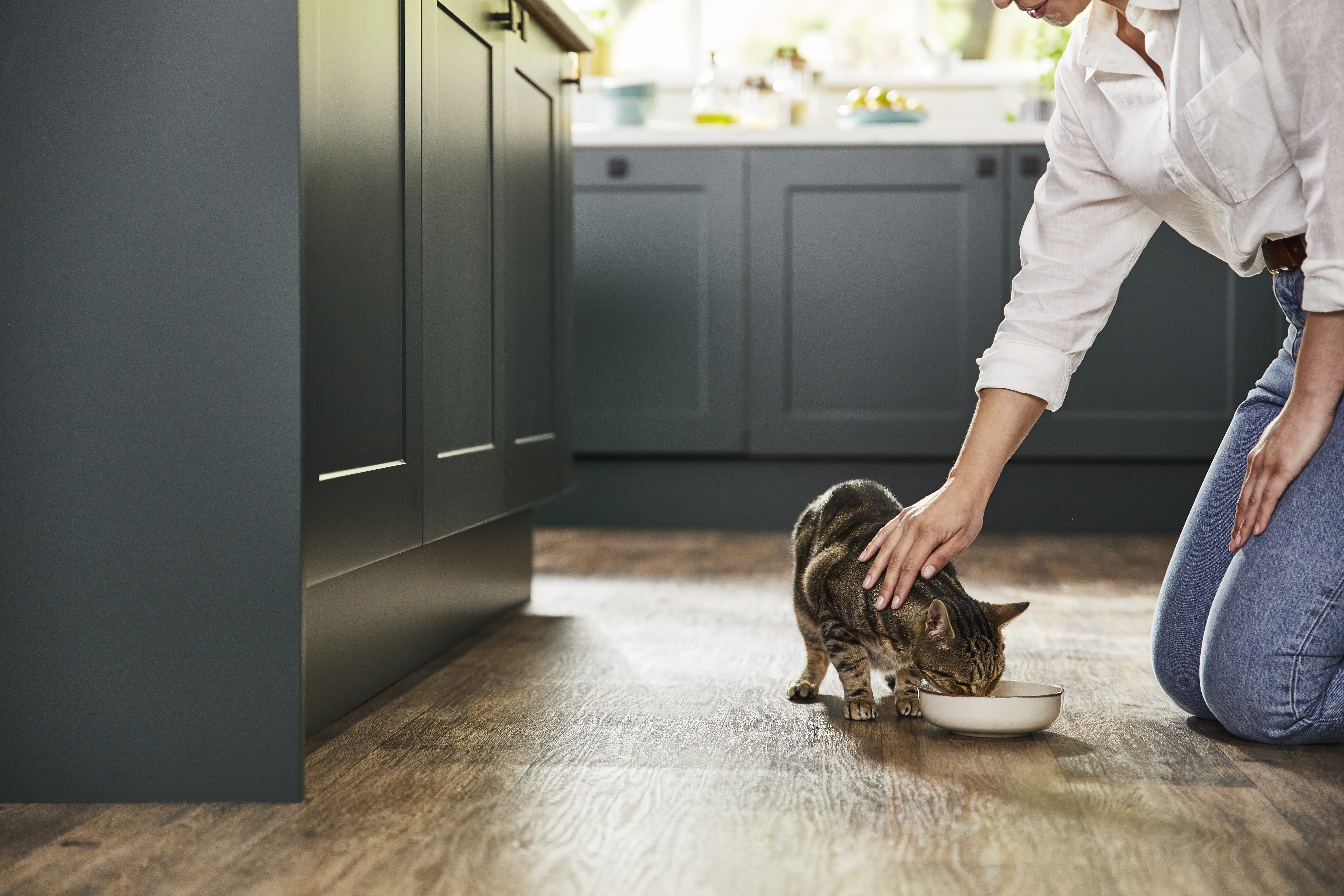
- Control food portions carefully — indoor cats lead less active lifestyles and are prone to obesity. All cats need to be fed a diet that is complete, well-balanced and full of nutrients. Indoor cats may need 20–30% fewer calories than outdoor cats, according to veterinary guidelines. Feeding them dishes that contain a high-quality source of protein is essential. Dry cat food, as part of a complete diet, is ideal for indoor cats due to the fact it can be left out for long periods, so allowing them a real sense of independence around feeding time. Always make sure your indoor cat has easy access to fresh, clean water.
- Create a dedicated safe space — give your cat a sanctuary when home life gets stressful. Outdoor cats have one big advantage over those housebound; they can escape out into the wild whenever things gets a bit too much at home. Maybe you’re having a few people around, or there’s some building work taking place. All that noise could leave your cat stressed out, and with nowhere to go. A cat safe space (a quiet, enclosed area with familiar items) is a great way to give them their own little sanctuary of peace and quiet. This could be their very own room, filled with their favorite toys, and closed off from the rest of the property. An outdoor catio (an enclosed outdoor cat patio), a secure play area that gives them room to exercise while enjoying fresh air, is also a good option.
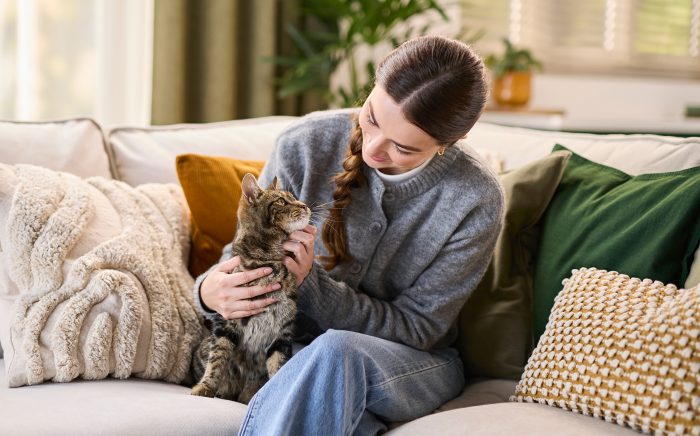
- Schedule 15 – 20 minutes of active play twice daily — mental stimulation prevents boredom and behavioral issues. Cats need mental stimulation. There are hundreds of different cat toys available, so be sure to switch them up from time to time in order to keep things interesting. Interactive puzzle toys (feeders or games that require problem-solving to access treats) are also a great way of keeping their brains active. Opportunities for entertainment may be limited for indoor cats, so schedule plenty of good quality one-on-one playtime with them.
- Provide climbing structures and scratching posts — indoor cats need dedicated exercise opportunities. No big adventures outside mean indoor cats can struggle to remain fit and agile. Playing with toys forms a big part of any cat exercise routine, but they’ll need more than just playtime if they are to maintain peak physical health. Climbing frames and trees are fun ways for them to let off steam, as are scratching posts. Cats love to scratch, so placing posts throughout the house will mean they can work out at their leisure. It’ll also help keep their claws in good condition. Cats still enjoy the thrill of the hunt even while indoors, so playing chase and fetch is another way to get their heart rate up while keeping them moving. The amount of exercise you give an indoor cat will depend on age, weight, and health.
- Bring the outdoors indoors — natural light, fresh air, and plants enrich your cat’s environment. Try and allow as much natural light and fresh air into your house as possible. Provide perches so they can sit near the window and soak up the sunshine. Open windows slightly in order to let air in. Planting an indoor cat garden will give them a literal taste of the great outdoors by allowing them to nibble on cat-safe grass. If you do have a garden, supervised playtime is perfect for offering them a change of scenery. Placing a bird feeder outside the window will also give you a happy indoor cat.
Nutrition for indoor cats
Proper nutrition is vital for your indoor cat’s health and happiness.
Regardless of how active you try to keep them in and around the house, free-roaming cats do tend to expend more energy, helping to keep them trim.
Obesity is a very serious issue as it increases the risk of cats developing a wide range of health problems, including diabetes, joint disease, and urinary issues, according to the ASPCA.
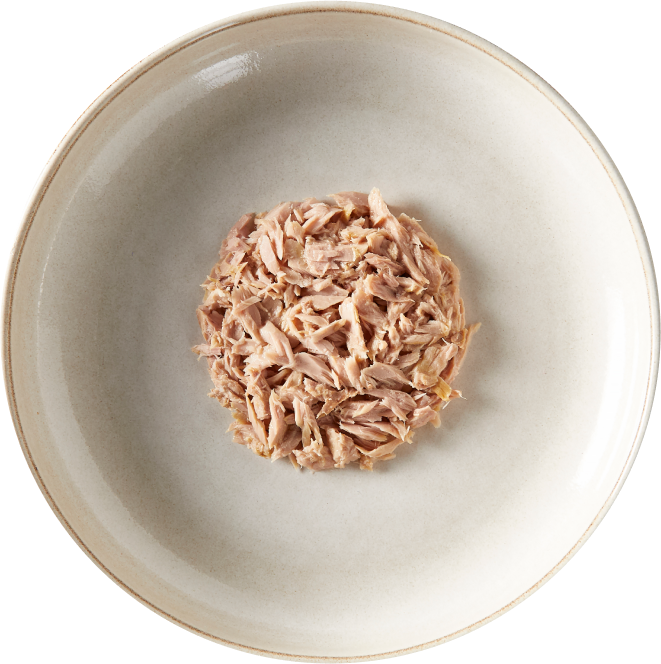
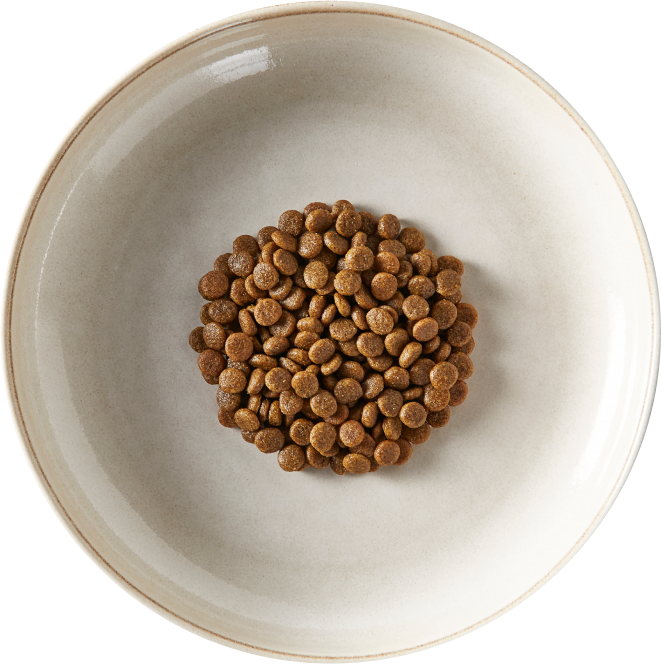
Dry cat food can be easily measured out, allowing us to carefully control their portions. We also highly recommend including wet food as part of a complete and well-balanced diet (wet food is often a real favorite with cats, as it’s the closest it gets to their natural diet).
Recommended Products
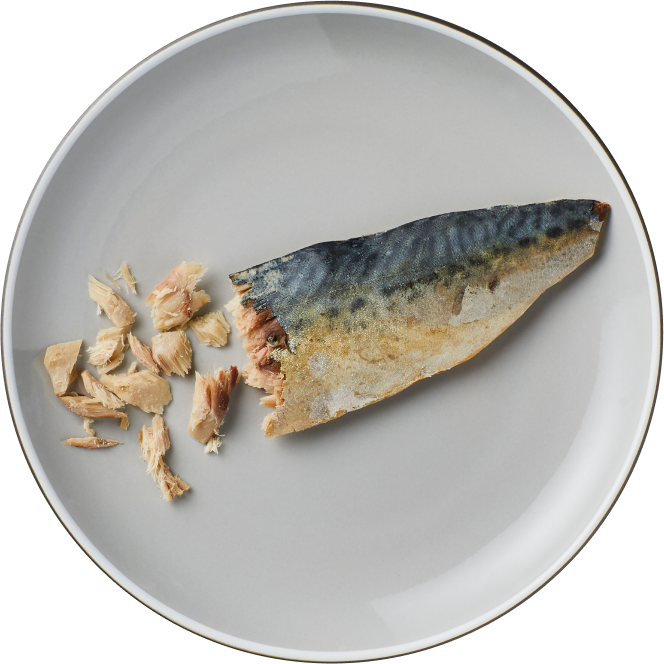
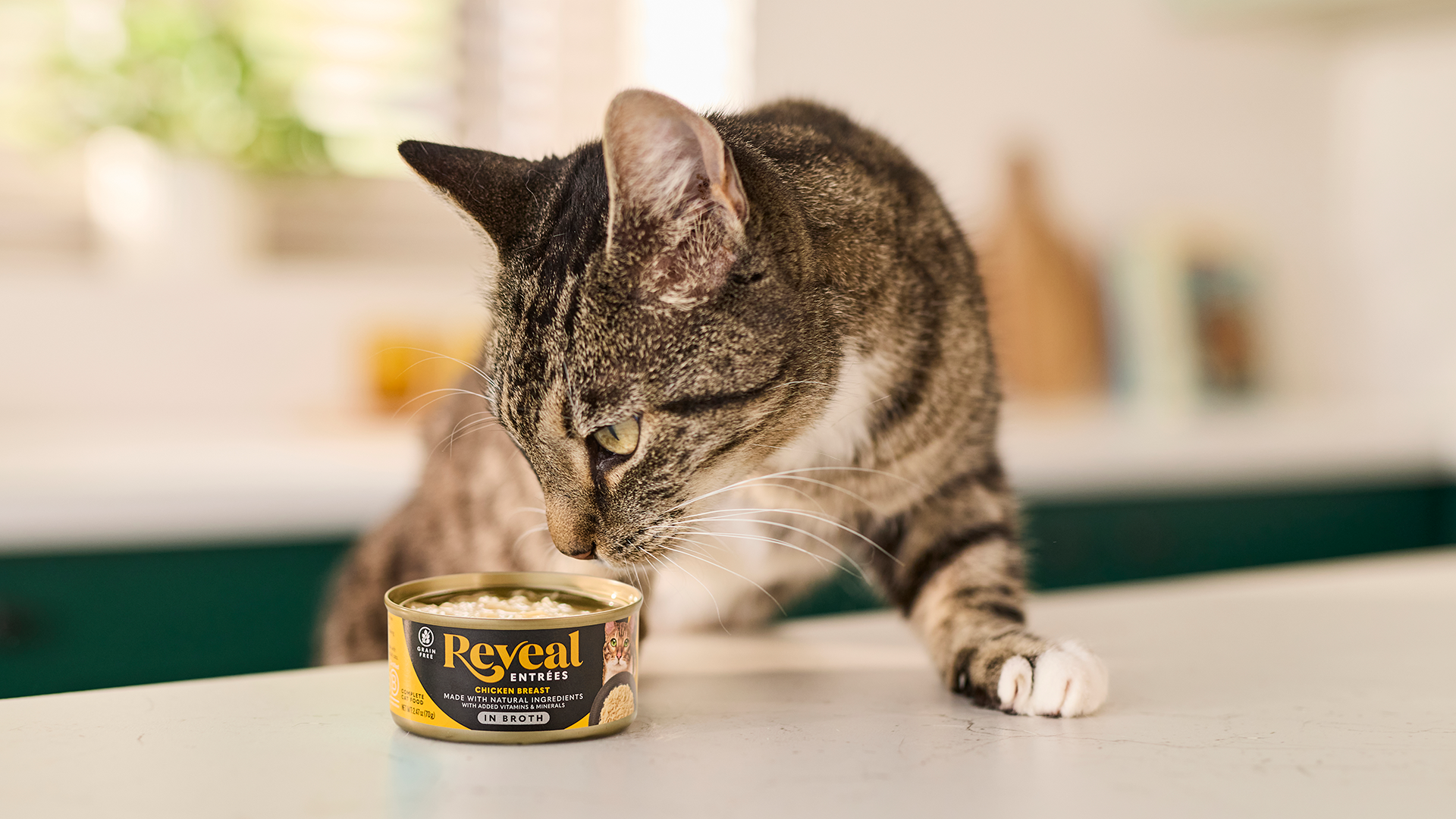
Reveal’s wet food selection, containing quality ingredients, have all the nutrients needed for optimum overall health. Our mouth-watering gravy and broth cans, pots and pouches also provide that extra bit of moisture for cats who need a boost to their hydration.
Just take a look at these recipes – Tuna with Seaweed in Broth Can, Chicken Breast in Gravy Can, and Tuna with Crab Broth Can.
All bursting with fresh, delicious goodness that will have your indoor cat purring with satisfaction.
Quick Tips Summary
- Feed portion-controlled, high-protein meals; indoor cats may need 20–30% fewer calories than outdoor cats
- Create a quiet, dedicated safe space with familiar toys and bedding
- Schedule 15 – 20 minutes of active play at least twice daily
- Provide climbing frames, cat trees, and multiple scratching posts
- Use interactive puzzle toys to keep their minds engaged
- Allow natural light and fresh air; consider window perches
- Build or buy a catio for safe outdoor access
- Plant an indoor cat garden with cat-safe grasses
- Always ensure fresh, clean water is available
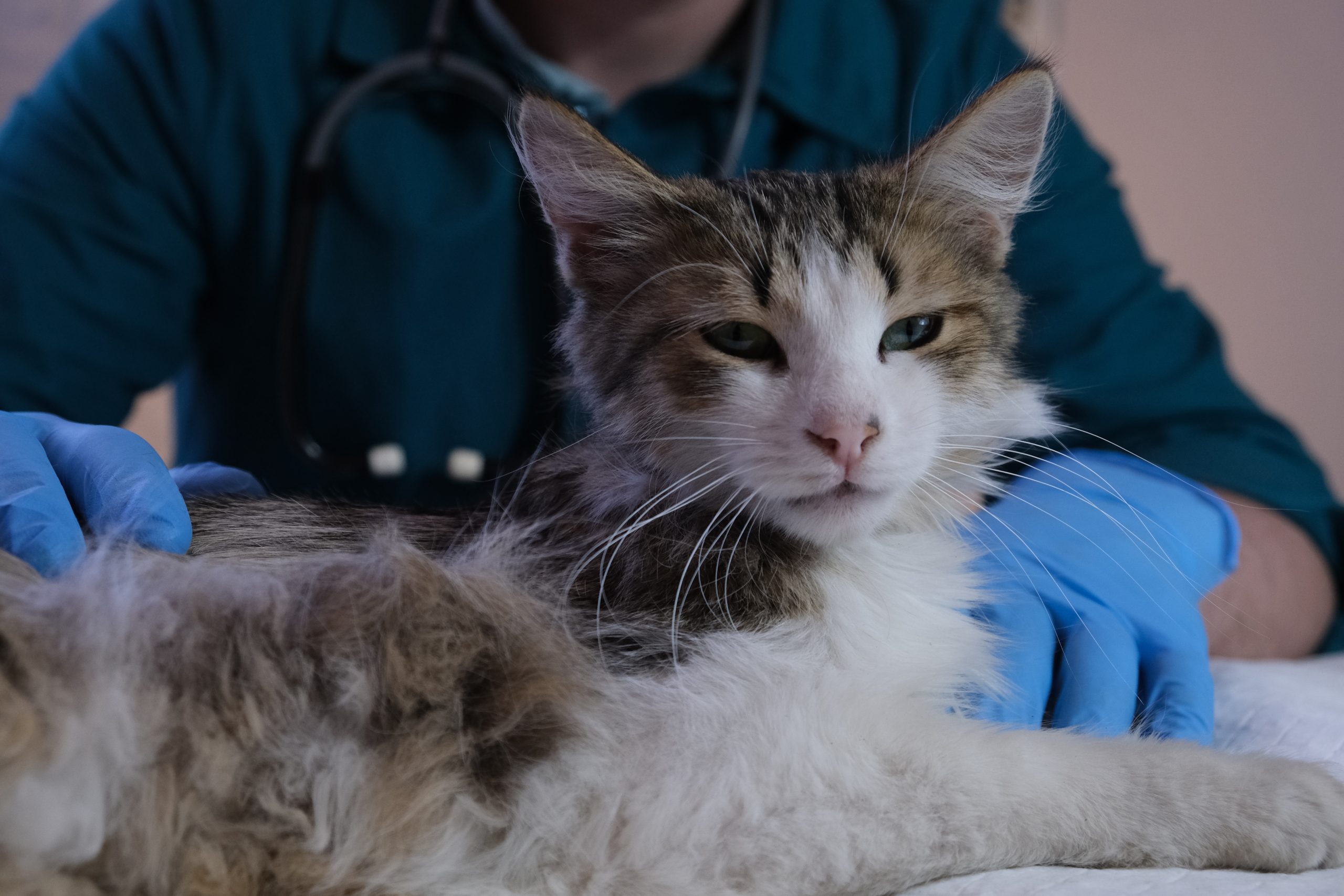
- Consult your veterinarian for personalized diet and exercise recommendations
Frequently Asked Questions
How much exercise does an indoor cat need daily? Indoor cats benefit from at least 15 – 20 minutes of active play twice daily. This can include interactive toys, chase games, or climbing activities. Adjust based on your cat’s age, weight, and health status.
What are the best foods for indoor cats? The best foods for indoor cats are complete, well-balanced diets high in quality protein and appropriately portioned to prevent weight gain. A combination of measured dry food and moisture-rich wet food supports both nutrition and hydration. Look for products that meet AAFCO nutritional guidelines.
How do I prevent my indoor cat from getting bored? Prevent boredom by rotating toys regularly, using interactive puzzle toys, scheduling dedicated playtime, and enriching their environment with climbing structures, window perches, and safe outdoor views. A catio or indoor cat garden can also provide stimulation.