


How to tell if your cat is eating enough
Author: Reveal Pet Food
Date: July 16, 2026
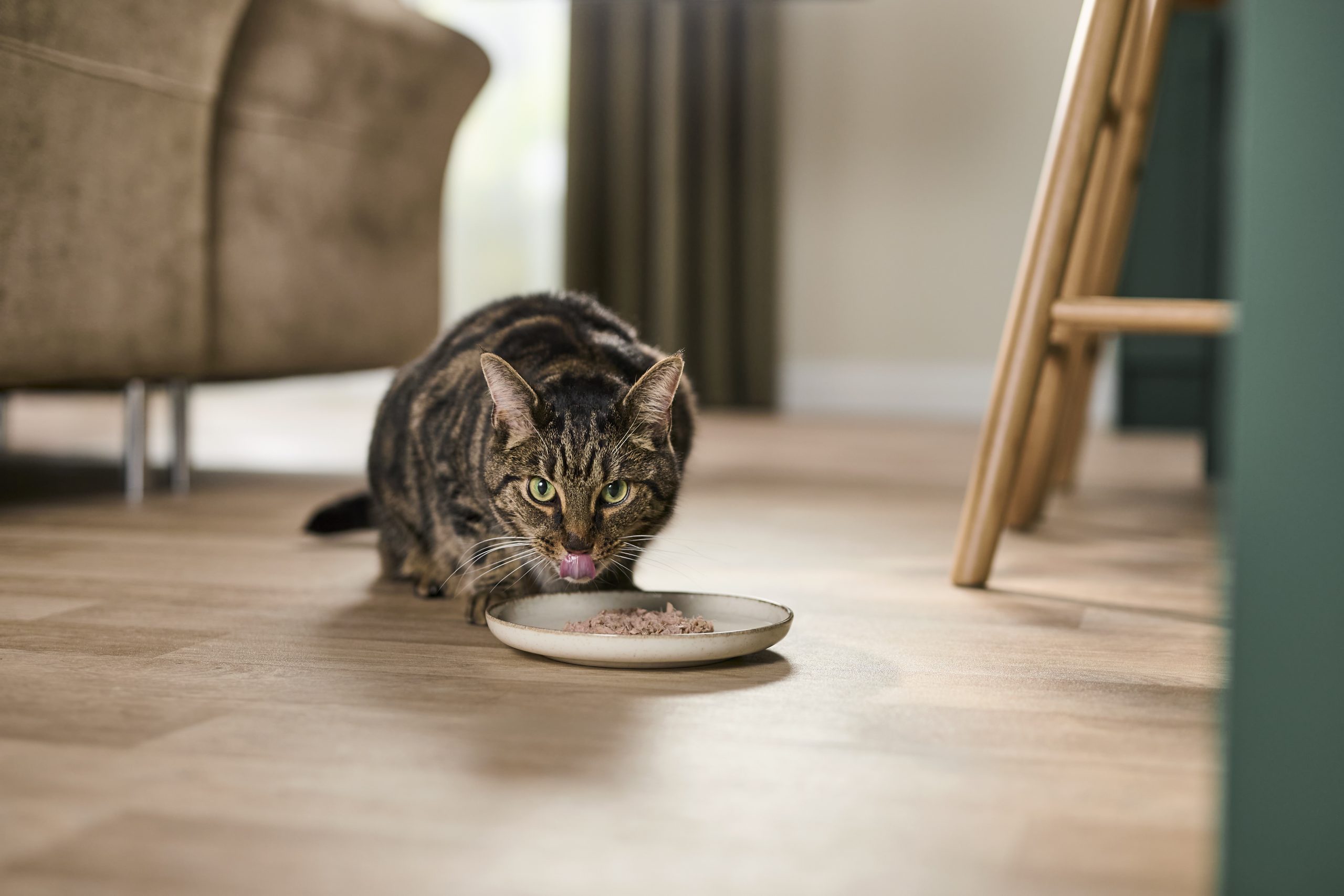
Signs your cat is eating enough include maintaining a healthy weight, having consistent energy levels, producing regular healthy stools, having a shiny coat, and showing interest in food at mealtimes without excessive begging. Monitoring these indicators helps ensure your feline companion is receiving proper nutrition.
That’s why it’s vital we are able to tell when they’re hungry.
Signs your cat is eating enough
Look for these key indicators that your cat is receiving adequate nutrition:
- Healthy weight maintenance – You can feel their ribs with light pressure but not see them prominently
- Consistent energy levels – Alert and playful during normal waking hours
- Regular, healthy stools – Firm, well-formed bowel movements on a consistent schedule
- Shiny, smooth coat – Fur appears healthy without excessive shedding or dullness
- Appropriate interest in food – Eats meals willingly without obsessive begging between feedings
- Stable mood and behavior – No unusual lethargy, irritability, or restlessness
Signs your cat is NOT eating enough
Watch for these warning signs of inadequate nutrition:
- Visible ribs, spine, or hip bones – Prominent bones indicate underweight
- Lethargy or decreased activity – Lack of energy for normal play and movement
- Dull, dry, or thinning coat – Poor fur quality often signals nutritional deficiency
- Constant vocalization around food – Persistent meowing and begging beyond normal mealtimes
- Eating too quickly or guarding food – Wolfing down meals may indicate insufficient portions
- Weight loss over time – Gradual or sudden decrease in body weight
One of the biggest telltale signs a feline’s feeling famished is when you hear them meowing.
While it’s perfectly normal for a cat to cry if they want feeding – and nothing to be concerned about – it’s necessary to be sure hunger is the reason for any sudden vocalizations.
Is your cat actually hungry?
Cats do love their food, but working out whether they’re hungry or not isn’t always the easiest task.
Felines can be greedy little eaters, and will sometimes demand food even when they’re full. Others will meow around a scheduled mealtime simply because they know food is on its way.
Perfecting a cat’s diet can take time. As well as ensuring they’re receiving the right balance of nutrients, you need to be sure you’re serving up the correct amount.
Daily calorie guidelines by cat weight
| Cat Weight | Daily Calorie Needs (Adult, Indoor) |
|---|---|
| 5 lbs | 130 – 160 calories |
| 8 lbs | 180 – 220 calories |
| 10 lbs | 200 – 250 calories |
| 12 lbs | 230 – 280 calories |
| 15 lbs | 280 – 330 calories |
Note: Active, outdoor, or nursing cats may require more calories. Consult your veterinarian for personalized recommendations based on your cat’s specific needs.
Too little in their bowls will inevitably lead to empty stomachs. Alternatively, if they’re wolfing down their food in a matter of seconds this may be because they’re not getting enough, or there’s too big of a gap between mealtimes.
Feeding frequency by age
- Kittens (up to 6 months): 3 – 4 small meals per day to support rapid growth
- Kittens (6–12 months): 2 – 3 meals per day as they transition to adult feeding
- Adult cats (1–10 years): 2 meals per day, typically morning and evening
- Senior cats (10+ years): 2 – 3 smaller meals per day, as digestive efficiency may decrease
Also, are they struggling to keep food down? This isn’t just a sign of overeating, it could be a sign of a poor-quality diet, which means their body won’t be getting all the vital nutrients it needs, leaving your feline hungry and unhappy.
Begging for food
If your cat is begging for food it may be because they’re simply not being fed enough, or that the food you’re serving them isn’t providing the sufficient nutrition.
As we’ve already mentioned, some food-obsessed felines can carry on demanding food even when they’re full. If a feline begins relating begging to being rewarded, it can be a difficult habit to break. And if we’re constantly giving into their demands, overfeeding – and all the health problems that come with it – becomes a real risk.
Medical conditions that cause increased hunger in cats
A cat with an insatiable appetite may actually have an underlying health issue.
In fact, there are a number of medical conditions that can lead to increased hunger in our pets. Some of these include:
- Intestinal worms. Parasites that live in a cat’s digestive tract and absorb nutrients from their food. Intestinal parasites, such as worms, can leave our cats in a constant state of hunger. This is because rather than your cat’s body absorbing all the healthy nutrients they ingest through their diet, these little parasitic creatures are gobbling them up instead. Deworming medication is often used to get the problem under control.
- Diabetes mellitus. A metabolic disorder where the body cannot properly regulate blood sugar levels. Increased hunger can often be an early indication of diabetes. As a cat’s body struggles to break down the amount of glucose it needs for energy, this can lead to them wanting more food. Other signs of diabetes include increased urination, thirst, weight loss and sickness. Diabetes is diagnosed with urine/blood tests and treated with insulin injections.
- Hyperthyroidism. A condition where the thyroid gland produces excessive hormones, accelerating metabolism. An overactive thyroid(s) can cause your cat’s body to use up more energy, leading to them crying out for food, or water, more often. Other symptoms include weight loss, difficulty sleeping, a rapid heart rate and fatigue. When checking for hyperthyroidism, a vet will perform a physical exam on your cat. Treatment can include medication, radioactive iodine therapy or surgery.
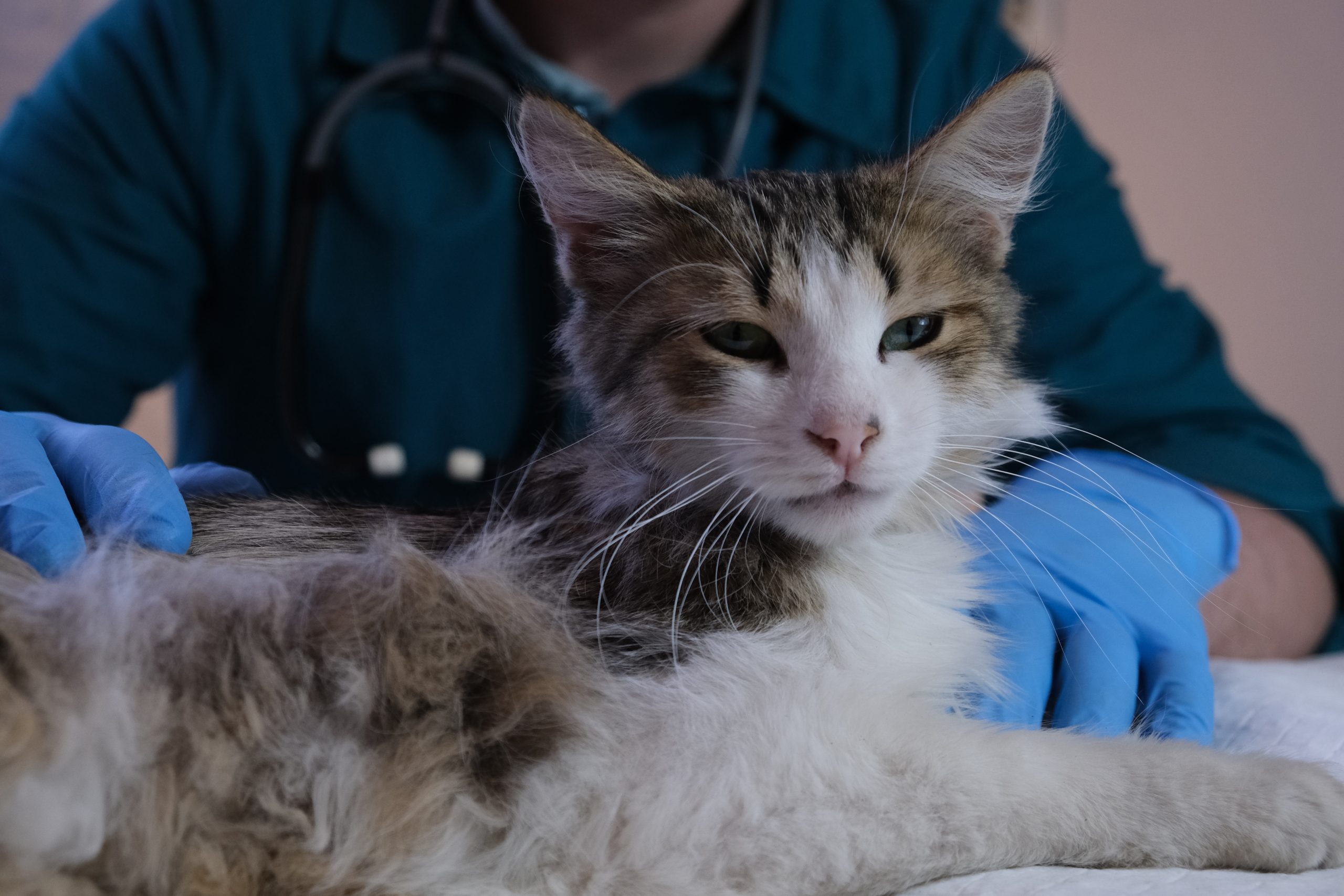
Whenever your cat’s eating habits suddenly change, it’s often a good idea to book an appointment with a vet. There may be a simple explanation, but if there is an underlying medical condition, early diagnosis and treatment is always better.
Conclusion
Much like us, different cats have different appetites, so how much you feed your feline will depend on a number of factors including age, breed, and weight.
The best way to tell whether your cat is eating enough is by monitoring their intake, tracking how much they’re eating and leaving.
Feeding your feline a high-quality diet – one that meets all their nutritional requirements – will not only keep them healthy, but it should also stop them begging. Look for foods that meet AAFCO (Association of American Feed Control Officials) nutritional standards to ensure complete and balanced nutrition.
Frequently Asked Questions
How do I know if my cat is underfed?
Signs of an underfed cat include visible ribs or spine, a dull coat, low energy levels, constant begging for food, and gradual weight loss. If you notice these symptoms, consult your veterinarian to rule out medical issues and adjust your cat’s diet accordingly.
How often should I feed my adult cat?
Most adult cats thrive on two meals per day, typically served in the morning and evening. This schedule helps regulate their metabolism and prevents overeating. Some cats may benefit from measured portions of dry food left out for grazing, but this approach requires careful monitoring to avoid weight gain.
What does healthy cat eating behavior look like?
A cat with healthy eating behavior approaches meals with interest, eats at a moderate pace, and walks away when satisfied. They maintain a consistent weight, have regular energy levels throughout the day, and don’t obsessively beg for food between scheduled mealtimes.
Key Takeaways: A cat eating enough will maintain a healthy weight, have a shiny coat, consistent energy, and regular stools. Use the calorie guidelines above as a starting point, adjust feeding frequency based on your cat’s age, and consult your veterinarian if you notice sudden changes in appetite or weight. Persistent begging or rapid eating may indicate insufficient portions or an underlying health issue.