

Should you be feeding your cat a raw diet?
Author: Reveal Pet Food
Date: January 16, 2026
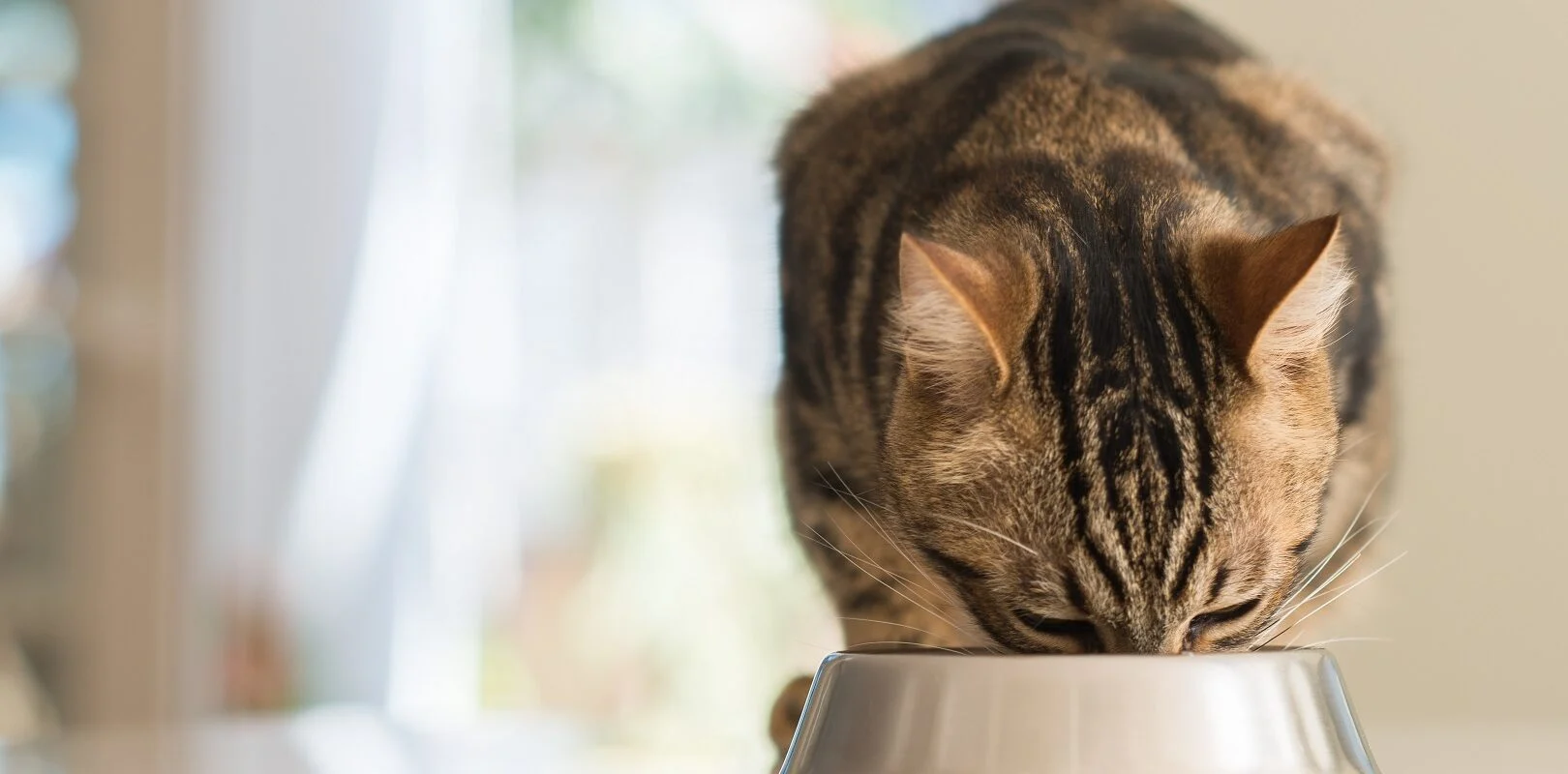
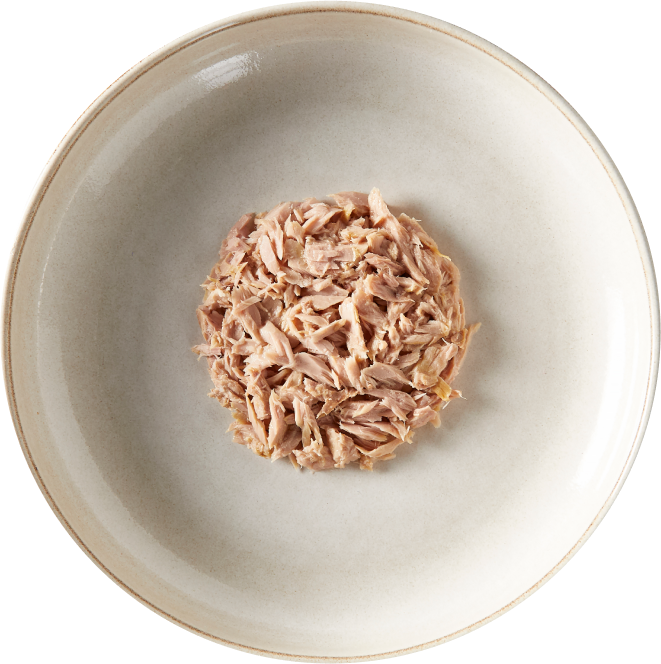
A raw cat food diet is a feeding approach consisting of uncooked meat, organs, and bones designed to mimic a cat’s natural prey-based diet. Cats thrive on high-quality, animal-sourced protein, so raw meat is, naturally, a healthy option.
Cats are true carnivores. They love meat. They need meat to live.
Pet parents may choose a raw diet because it mimics what cats’ predatory relations eat in the wild.
However, these diets do pose significant risks.
Benefits of Raw Cat Diets
- High protein content – Raw animal meat is loaded with protein essential for feline health
- High moisture content – Helps keep cats hydrated
- Natural vitamins and minerals – Contains nutrients in their natural form
- Easy digestibility – Can be easily digested by cats
Risks of Raw Cat Diets
- Bacterial contamination – Uncooked meats may contain pathogens like Salmonella and E. coli
- Parasites – Raw meat can harbor harmful parasites such as Toxoplasma
- Cross-contamination – Handling large quantities of raw meat increases the risk of spreading bacteria in the household
- Nutritional imbalance – Without careful formulation, raw diets may lack essential nutrients
Food Safety Risks
According to the American Veterinary Medical Association (AVMA), raw pet food diets carry inherent risks from pathogenic bacteria. Key pathogens to be aware of include:
- Salmonella – Can cause gastrointestinal illness in both cats and humans who handle contaminated food
- E. coli – Particularly dangerous for young children, elderly individuals, and immunocompromised people
- Toxoplasma – A parasite especially risky for pregnant women and those with weakened immune systems
While most cats are able to tolerate these pathogens, some with immune issues may be at risk of serious illness.
Always factor in family dynamics when considering bringing raw food into the home. Will there be babies crawling on the floor? Are there any pregnant women in the house? It’s not just your pet’s health and safety you have to be thinking about.
These are only some of the pros and cons of a raw food diet. Make sure you do your own research to see if a raw diet is right for your cat.
What Raw Meats Can Cats Eat?
- Chicken – Fresh chicken is a crucial part of any raw food diet. It is an excellent source of lean protein, providing strength and energy to your cat. It is also low in carbohydrates meaning that it won’t lead to obesity issues or cause any trouble with digestion.
- Boneless beef – Rich in protein and taurine, beef will help improve vision, keep their heart strong, and bolster their immune system. It is fattier than other meats, so portion control is vital.
Best Organ Meats for Cats: Liver, Heart, and More
Organ meats can be considered a raw food superfood for cats. They form an essential part of raw food diet as they provide minerals and nutrients not found in muscle meat. Liver is a great source of protein and iron, while also carrying vitamins A, D, E and K (best served in small amounts to avoid vitamin A toxicity). Heart tissue contains high levels of taurine, and is, unsurprisingly, good for boosting heart health.
How Much Raw Food to Feed Your Cat
It is typically recommended that you feed your cat 2% to 4% of their total body weight per day.
Frequently Asked Questions
Is raw food safe for kittens or senior cats?
Kittens and senior cats may have more sensitive immune systems, making them potentially more vulnerable to pathogens in raw food. Consult your veterinarian before starting a raw diet for cats at these life stages.
Can raw diets cause nutritional deficiencies?
Yes, improperly balanced raw diets can lead to nutritional deficiencies. A complete raw diet should meet AAFCO (Association of American Feed Control Officials) nutritional standards and include appropriate supplements.
How do I safely handle raw cat food?
Always wash hands thoroughly after handling raw meat, clean and sanitize all surfaces and utensils, store raw food separately from human food, and refrigerate or freeze promptly to minimize bacterial growth.
Key Takeaways
- Raw diets can provide high-quality protein and moisture that cats need as obligate carnivores
- Significant safety risks exist from bacteria like Salmonella and E. coli, affecting both pets and family members
- Households with infants, pregnant women, or immunocompromised individuals should carefully weigh the cross-contamination risks
- Proper nutritional balance requires careful planning — consult a veterinarian or veterinary nutritionist
- Feed approximately 2-4% of your cat’s body weight daily if choosing a raw diet