



The signs your cat has separation anxiety (and what to do about it
Author: Reveal Pet Food
Date: August 21, 2026
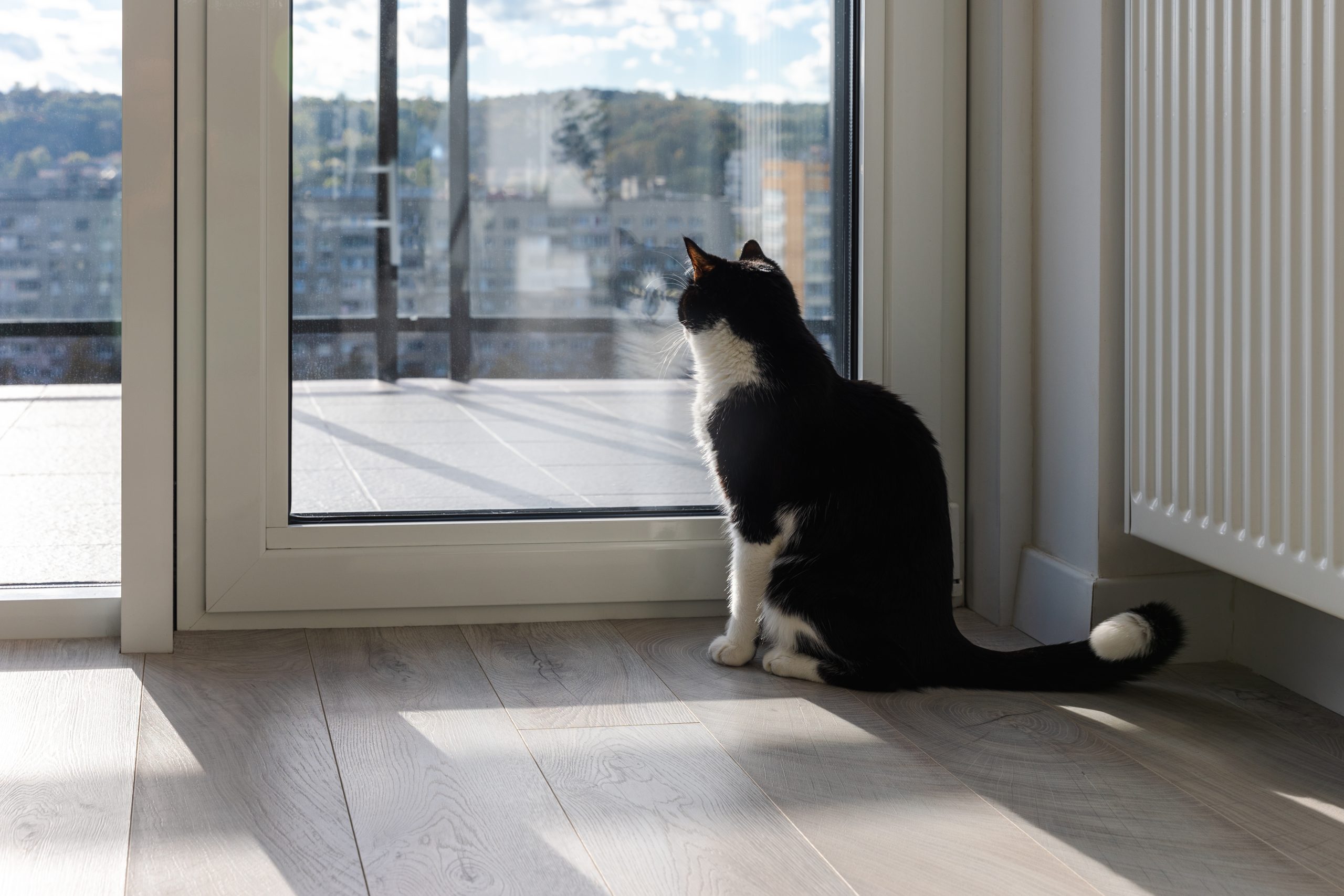
Cat separation anxiety is a behavioral condition where cats exhibit distress behaviors—such as excessive vocalization, destructive scratching, or inappropriate urination—when separated specifically from their primary caregiver, rather than simply being left alone. This distinguishes it from general isolation distress, which occurs when a cat is upset about being alone regardless of who is absent.
Cats are generally considered a little more aloof and independent than most pets, so people rarely associate this condition with them.
However, felines come in all shapes, sizes, and personalities, meaning there’s every chance your cat could be susceptible to what can be an extremely debilitating disorder. Research suggests that certain breeds, such as Siamese and Ragdolls, may be more prone to developing separation anxiety due to their highly social nature.
A big issue for pet parents is that signs of separation anxiety in cats can be quite subtle. This means it is vital to know exactly what to look out for.
If symptoms go unnoticed or unchecked for a prolonged period of time, serious health complications can arise.
Common Signs of Cat Separation Anxiety at a Glance
- Excessive grooming or bald patches
- Increased vocalization (crying, meowing)
- Inappropriate urination or defecation
- Constant pacing or circling
- Loss of appetite or eating too quickly
- Destructive behavior or escape attempts
- Over-excitement when you return
- Increased lethargy or disinterest in play
The signs your cat has separation anxiety
An increase in self-grooming. When normal grooming crosses the line into overgrooming, this is a clear sign your cat is suffering in some way. Compulsive grooming is often connected to stress-relief and is therefore a common symptom of separation anxiety in cats.
Check for bald patches. These will most likely appear on a cat’s lower belly or legs. If they have started appearing following time spent on their own, this could well be the stressor. Whenever you think excessive grooming may be linked to physical pain your feline is experiencing, speak with your vet.
An increase in crying or meowing. A general increase in vocal expressiveness can signal distress. There are many reasons why a cat could be crying—hunger, boredom, a general desire to communicate. Anything that causes pain or discomfort can lead to an increase in the amount of meowing.
Whining that is linked to separation anxiety is persistent and may continue long after a pet parent has left the room or property. Spend a minute listening out for your cat after you have left. This will tell you if separation anxiety is a problem.
Uncontrollable urination. Anxious cats will work themselves up to a point where they can’t help when or where they go. Once a cat begins avoiding the litter box it’s imperative you get to the root cause as quickly as possible.
If urination or defecation occurs immediately following your departure, separation anxiety should be considered. Setting up a camera in your home to record your feline is a good way of seeing whether or not this is the case. They may even begin urinating on your bed; another sign they are missing you.
Constant pacing. Cats will pace up and down from time to time, especially around mealtime, so don’t be overly concerned if they’re occasionally walking around the house with a bit more purpose.
However, if your feline appears more restless than usual, and obsessive pacing, or circling, is becoming a regular sight, you will need to investigate further. A cat that has become increasingly attached to their pet parent may begin anxiously pacing just before they leave the house, and immediately after.
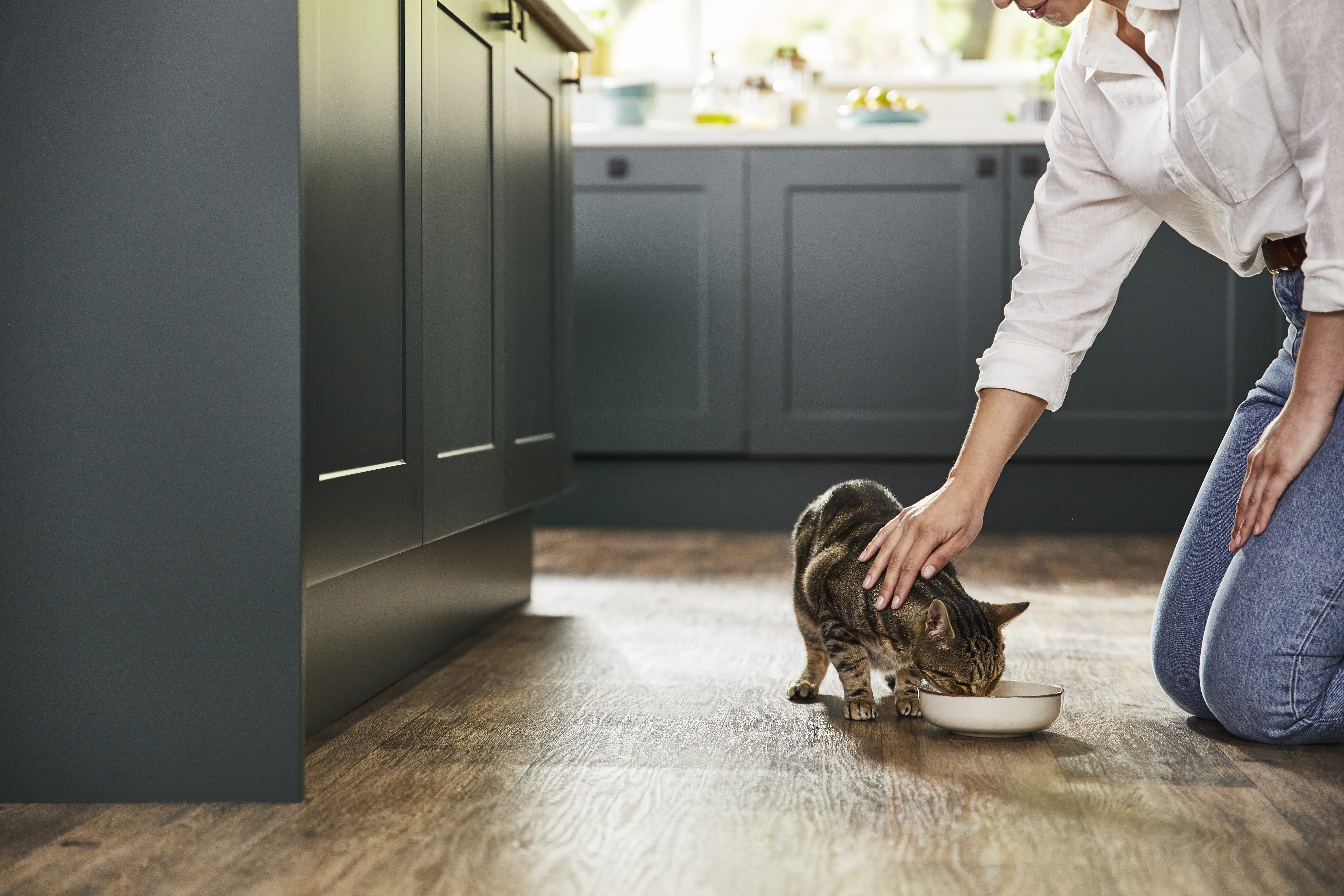
Loss of appetite. Eating habits can quickly change when cat separation anxiety strikes. You may begin to notice your once hungry feline turning their nose up at food as they come to terms with a perceived lack of attention. Alternatively, anxiety and stress can lead to them eating a lot quicker.
Ensure you monitor mealtimes, and keep an eye out for any other potential causes. It goes without saying, but a cat who is not receiving the right amount of nutrients will soon develop health problems. Contact your vet if you’re struggling to entice them back to the bowl.
Attempting to escape. Don’t be surprised if your cat tries finding different ways to get out of the house once you’ve left. Cats may claw and scratch at doors and windows in an attempt to escape from their confinement.
If your feline appears content while you’re present, and doesn’t engage in any destructive behavior, then there’s a very good chance separation anxiety is the reason behind their recent escape attempts. This needs to be resolved quickly before they cause themselves a serious injury.
Over-excitement when a pet parent returns. We love our pets being right there to welcome us as we open the front door, but an over-exuberant welcoming could be a telltale sign that something isn’t quite right with our feline.
The longer a cat who is suffering from separation anxiety is left alone the more desperate they can become for their pet parent’s return. As well as jumping all over as you walk through the door, you may find they refuse to leave your side for a period of time afterwards as well.
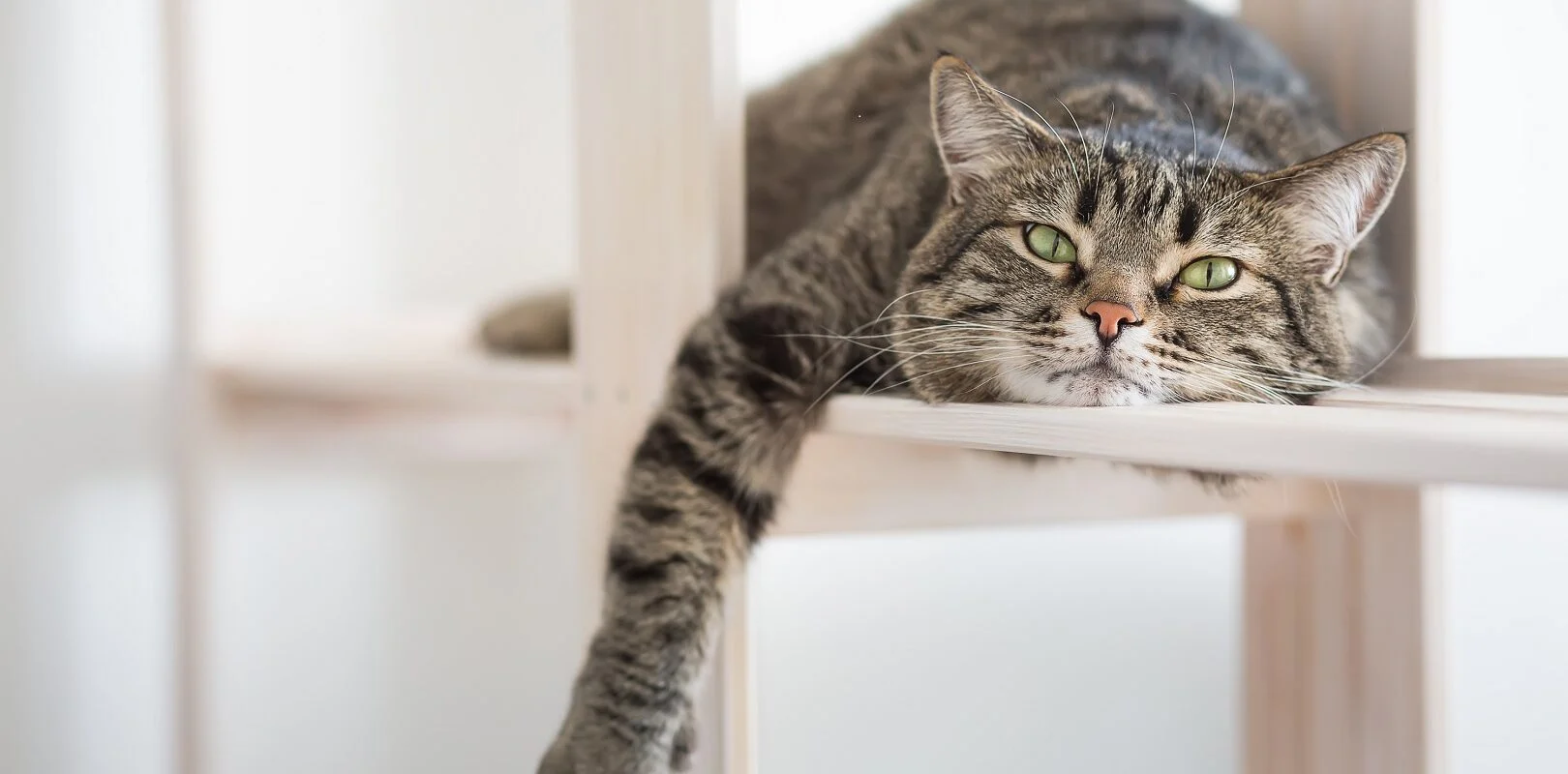
Increased lethargy. Sudden lack of energy or a disinterest in playtime could well be attributed to separation anxiety. Cats do tend to sleep a lot, but when they’re up and about they can be highly active animals.
If your feline is spending a considerable amount of time away from you they could be feeling a little down, which may lead to increased lethargy. Monitor their activity levels closely to try and gauge if there is a problem.
How to Help a Cat with Separation Anxiety: 7 Effective Methods
Quick Overview of Treatment Methods
- Provide background noise (TV, radio, calming music)
- Engage in calming activities before leaving and after returning
- Create a stimulating environment with toys and cat trees
- Arrange for someone to check in on your cat
- Gradually build up to longer departures
- Maintain a consistent daily routine
- Never punish anxious behavior
Provide background noise when you leave the home. Leaving the television or the radio on when you leave for the day or night can reduce a cat’s anxiety. Certain websites even have ‘calming music for cats’ playlists, designed to help felines relax or sleep while you’re out. The noise should hopefully also block out any outdoor daytime noises that may upset an anxious cat further. Loud noises, unsurprisingly, can cause pets further stress, so keep the volume to a respectable level.
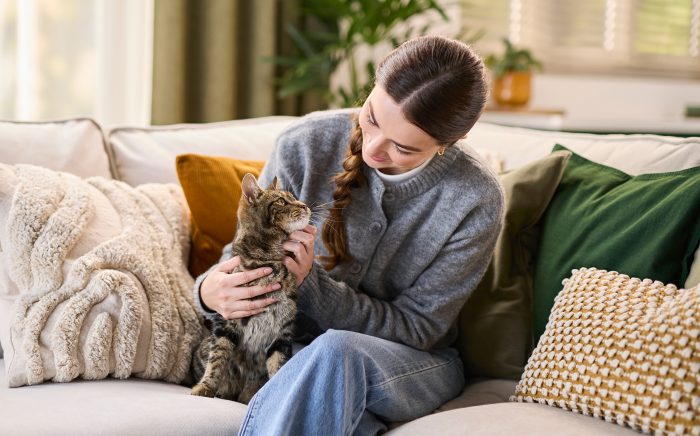
Take note of what calms your cat down – engage in this behavior both before leaving and after returning home. You know your cat better than anybody. What calms them down? Playtime, gentle stroking, pheromone diffusers, calming essential oils? Whatever the tip, trick or tool that helps relax them, try and spend a few minutes before you leave – and when you return – applying it. Continue doing this until you believe they’re comfortable being left alone, and then gradually phase it out – unless of course you want to carry on.
Create a stimulating environment. A cat who has plenty of things to keep them occupied may not even realize you’ve left. Place cat trees and vertical scratching posts around your house. Cats love high places because they feel safe when they’re up there. Puzzle feeders and toys can also keep them occupied for long periods of time. Felines love to watch birds. Don’t close the curtains and ensure they have easy access to windowsills. Setting up a bird feeder near the window will provide them with plenty of entertainment while you’re not there.
Ask somebody to check in on them. If possible, ask a friend or family member to check up on your cat while you’re out. Even if it’s just for 10 minutes, the company, especially if this is the first time you’ve left them alone for a long period of time, could reduce their anxiety significantly. Hiring a pet sitter is also an option if you’re going to be working longer hours or you’re going away for a few days.
Build up to longer departures. Start off by leaving the house for just a few minutes at a time. These shorter absences will give your cat the chance to slowly adjust to being on their own. Also, keep arrivals and departures low key. Don’t shout “Goodbye” when you’re leaving or shower them with attention the second you arrive back. Keep things as normal as possible. Another trick is to remove departure cues. Cats will recognize what is about to happen when you put your keys in your pocket or put your shoes on. Either perform these cues out of sight or take away their power by doing them without anything happening.
Stick with a routine. Cats love sticking to a schedule. Too much disruption can leave them feeling anxious and stressed. Leaving the house certainly falls into this category so you need to make sure you minimize disruption elsewhere. Feed, play with and groom your cat at the same time every day whenever possible. If you find you’re leaving the house at different times, try and adjust their schedule gradually. The closer you can keep a routine on track, the happier and more content your feline will be.
Never punish a cat for anxious behavior. Punishment will only ever make a cat’s anxiety worse. Remember, your cat is not urinating outside the litter box or scratching at the doors and windows out of spite, they are doing it because they are suffering from a very common condition that affects a large number of pets. Getting angry with them will not solve anything. In fact, shouting at your cat will most likely increase their separation anxiety causing them to act out even more.
When to See a Vet
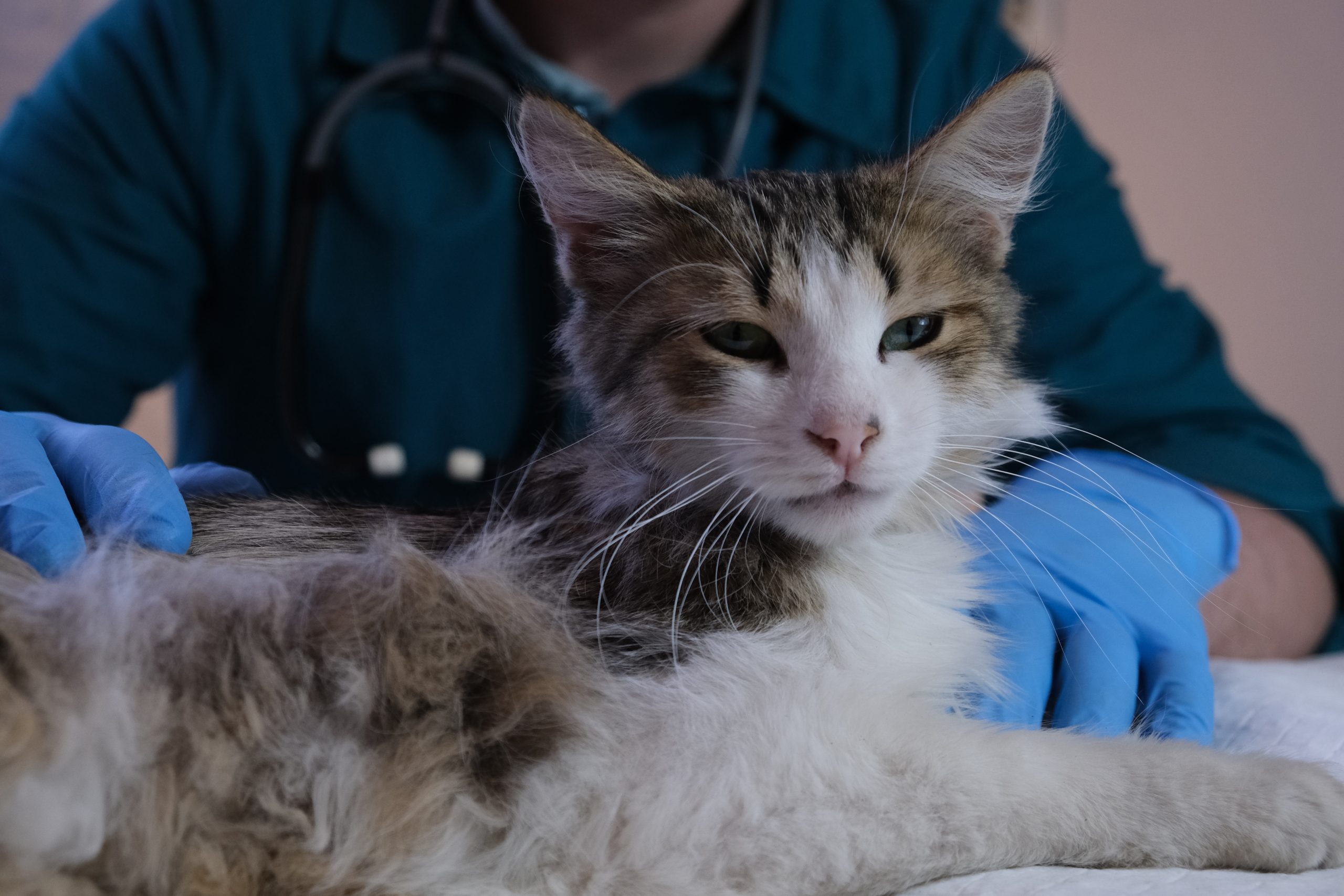
Consult a veterinarian if your cat stops eating for more than 24 hours, shows signs of self-injury from overgrooming, or if symptoms persist despite trying multiple treatment methods. It’s also important to rule out physical health issues—inappropriate urination, for example, could indicate a urinary tract infection rather than anxiety. A vet can help determine whether your cat’s behavior is anxiety-related or has an underlying medical cause and may recommend anti-anxiety medication in severe cases.
Don’t Ignore the Signs
While some of the signs of cat separation anxiety may be subtle, once spotted it’s important you act quickly.
Without intervention, this type of anxiety can be extremely debilitating for felines and may well result in a trip to the vet.
Exercise is a fantastic way of counteracting separation anxiety while also improving a cat’s physical and mental wellbeing.
If you’re looking for advice on how to coax your feline out of a slump brought on by stress, then read our “How To Encourage A Lazy Cat To Play & Be Active” article.
If their separation anxiety continues to worsen, or you believe the signs are symptomatic of something more serious, you should seek professional advice right away.
Frequently Asked Questions
How do I know if my cat has separation anxiety vs. isolation distress? Separation anxiety occurs when your cat is distressed specifically about being away from their primary caregiver. Isolation distress, on the other hand, happens when a cat is upset about being alone in general and may be comforted by any human or animal companion.
Can separation anxiety in cats be cured? With consistent treatment and environmental modifications, most cats can significantly improve. While some cats may always be more prone to anxiety, the symptoms can usually be managed effectively through the strategies outlined above.
When should I see a vet about my cat’s anxiety? See a vet if your cat stops eating for more than 24 hours, injures themselves through overgrooming, or if symptoms could indicate a physical health issue. A vet can also prescribe medication for severe cases that don’t respond to behavioral interventions.
Key Takeaways
- Cat separation anxiety is a specific condition where cats become distressed when separated from their primary caregiver, not just when left alone.
- Common signs include excessive grooming, increased vocalization, inappropriate urination, pacing, appetite changes, escape attempts, and over-excitement upon your return.
- Treatment involves creating a stimulating environment, maintaining routines, gradually increasing time apart, and never punishing anxious behavior.
- Consult a veterinarian if symptoms are severe, persistent, or could indicate an underlying health condition.