


The signs your cat may have heatstroke (and how to prevent it)
Author: Reveal Pet Food
Date: July 1, 2026
Key Takeaways: Watch for warning signs including panting, drooling, lethargy, reduced urination, and vomiting. Prevent heatstroke by providing fresh water, keeping your home cool, and ensuring access to shaded areas.
As temperatures begin to climb, it’s important to make sure your cats aren’t experiencing heatstroke.
Heatstroke occurs when a cat’s core body temperature exceeds 104°F, causing a breakdown of enzymes and proteins their bodies needs to survive. A cat’s normal body temperature is 100.5 – 102.5°F, and they are at increased risk once environmental temperatures reach the mid-80s°F.
Cats are particularly vulnerable to heatstroke because they cannot sweat through their skin like humans. They rely almost entirely on paw-pad sweat glands and panting to regulate body temperature, making these cooling mechanisms far less efficient.
Naturally, direct sunlight is considered a main contributor, but there are other factors to consider.
Any hot or humid environment with inadequate ventilation has the potential to cause a cat heatstroke, and shows that, although more prevalent in the summer months, the condition can strike at any time of year.
Inadequate shade and a lack of water can also play a part in your cat overheating, so always make sure there’s shade and fresh water available.
Pet parents can sometimes struggle to spot the signs of cat heatstroke so it’s imperative we know what to keep an eye out for. Identifying the symptoms early could be the difference between spending time cooling them down or spending time at the vets.
High-Risk Cats
Some cats need extra attention during warm weather. Cats at higher risk of heatstroke include:
- Obese cats
- Senior cats
- Brachycephalic breeds (flat-faced cats like Persians and Himalayans)
- Cats with underlying health conditions such as heart or respiratory disease
Common signs of heatstroke
- Panting – Heavy open-mouth breathing as the cat attempts to cool down. As a cat’s body temperature begins to rise, they will try and find ways to cool themselves down. As the heatstroke worsens, the panting will increase. Panting is a perfectly normal response to overheating and should begin to subside as your cat cools down.
- Dizziness – Struggling to stand or maintain balance. A cat that’s struggling to get to his or her feet, or who has begun regularly falling down, may be suffering from dizzy spells brought on by heatstroke. Given how agile cats are, a sudden loss of balance tends to be very noticeable. Other, more subtle, signs of dizziness can include head tilting to the side and rapid eye movement.
- Seizures – Violent shaking, unusual movements, or loss of consciousness. If a cat’s body temperature continues to rise it can lead to them suffering seizures. Seizures can vary quite significantly in severity. Whenever you think your cat may be suffering a serious seizure, or it hasn’t stopped after two or three minutes, it is imperative you seek emergency medical attention. You should always ensure there is nothing nearby your cat could hurt themselves on when they are experiencing a seizure.
- Vomiting – Especially if blood is present. Cats do vomit from time to time – for a variety of reasons – so there is no need to be concerned if it happens once or twice. Be sure to check for blood in the vomit as this can be symptomatic of heatstroke. If the vomiting persists for a prolonged period of time then you will need to contact your vet.
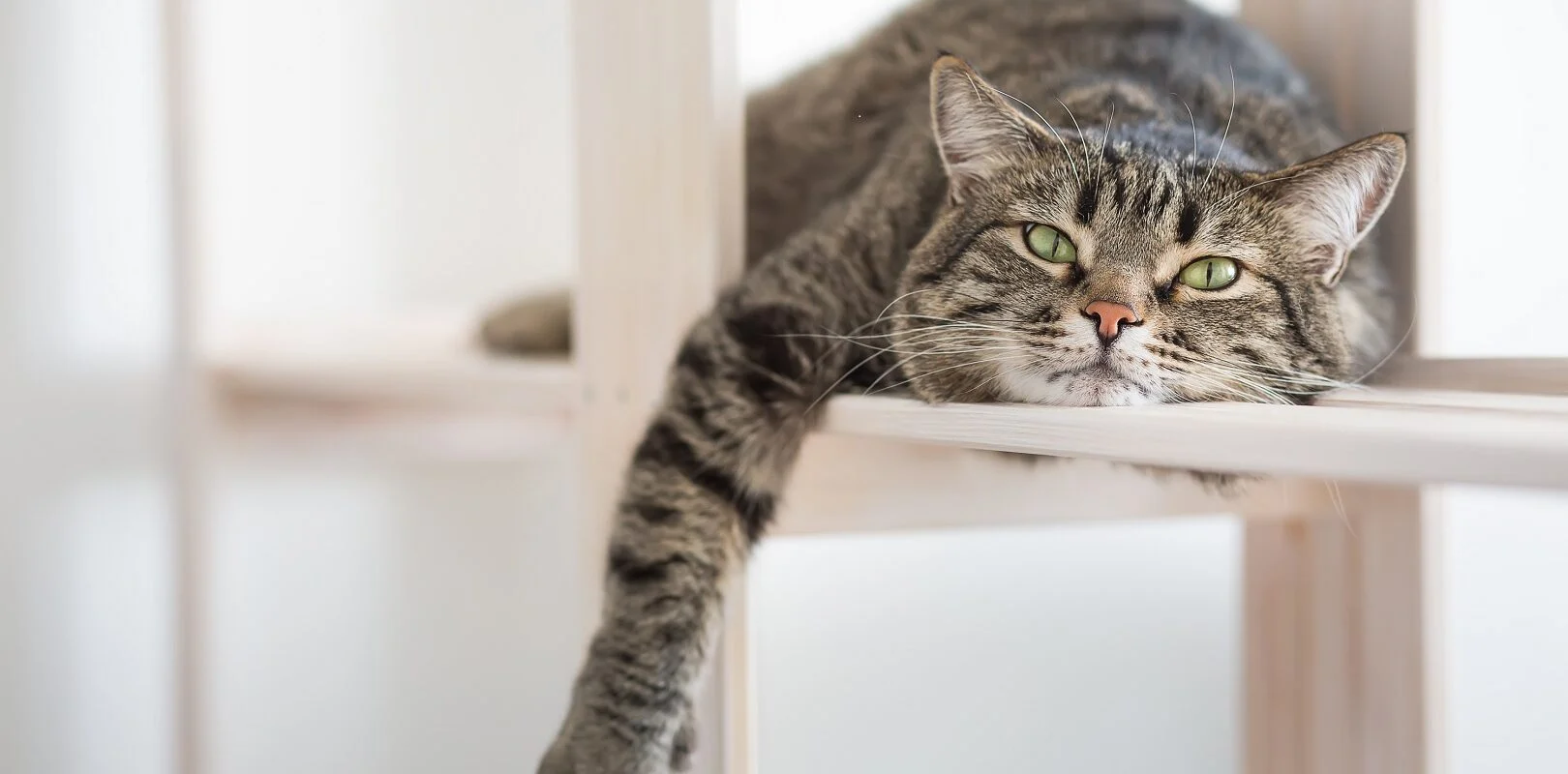
- Lethargy – Unusual tiredness or weakness. Heatstroke can come following an intense period of physical exertion. So it’s no surprise that cats can appear tired or sluggish while suffering its effects. They may begin exhibiting signs of weakness, such as struggling to hold themselves up. Cats aren’t always the most active of animals so tiredness can be a difficult spot. Make sure you check for other symptoms alongside it.
- Restlessness – Pacing or excessive grooming to cool down. The warmer a cat gets, the more uncomfortable they tend to become. This can result in restless behavior, such as repeatedly pacing back and forth, as they try to cool down or find themselves a place in the shade.
- Tongue and saliva changes – Bright red tongue with thick, sticky saliva. If you think your cat may be suffering the effects of heatstroke, check their tongue and saliva. Increased salivating and drooling are also symptoms you should be keeping an eye out for.
- Gum discoloration – Dark red or very pale gums. One way to check if your cat is experiencing heatstroke is to place your finger on their gums and apply a small amount of pressure. If it takes more than a couple of seconds for the area to turn pink again, then your cat may be struggling with heat distress.
- Sweaty paws – Wet paw prints indicating your cat is trying to cool down. The few sweat glands cats possess can be found in their paws, so if you notice a trail of wet paw prints across the kitchen floor this could be because your cat is sweating.
- Reduced urine production – Little to no urine in the litter box. Less-frequent urination can occur when the body becomes dehydrated as a result of rising temperatures. Blood in the urine is also a symptom of heatstroke.
What to Do If Your Cat Has Heatstroke
If you suspect your cat is suffering from heatstroke, act quickly:
- Move your cat to a cool, shaded area immediately
- Apply cool (not ice cold) water to their fur, focusing on the neck, armpits, and groin
- Place a fan nearby to increase air circulation
- Offer fresh, cool water to drink (do not force them)
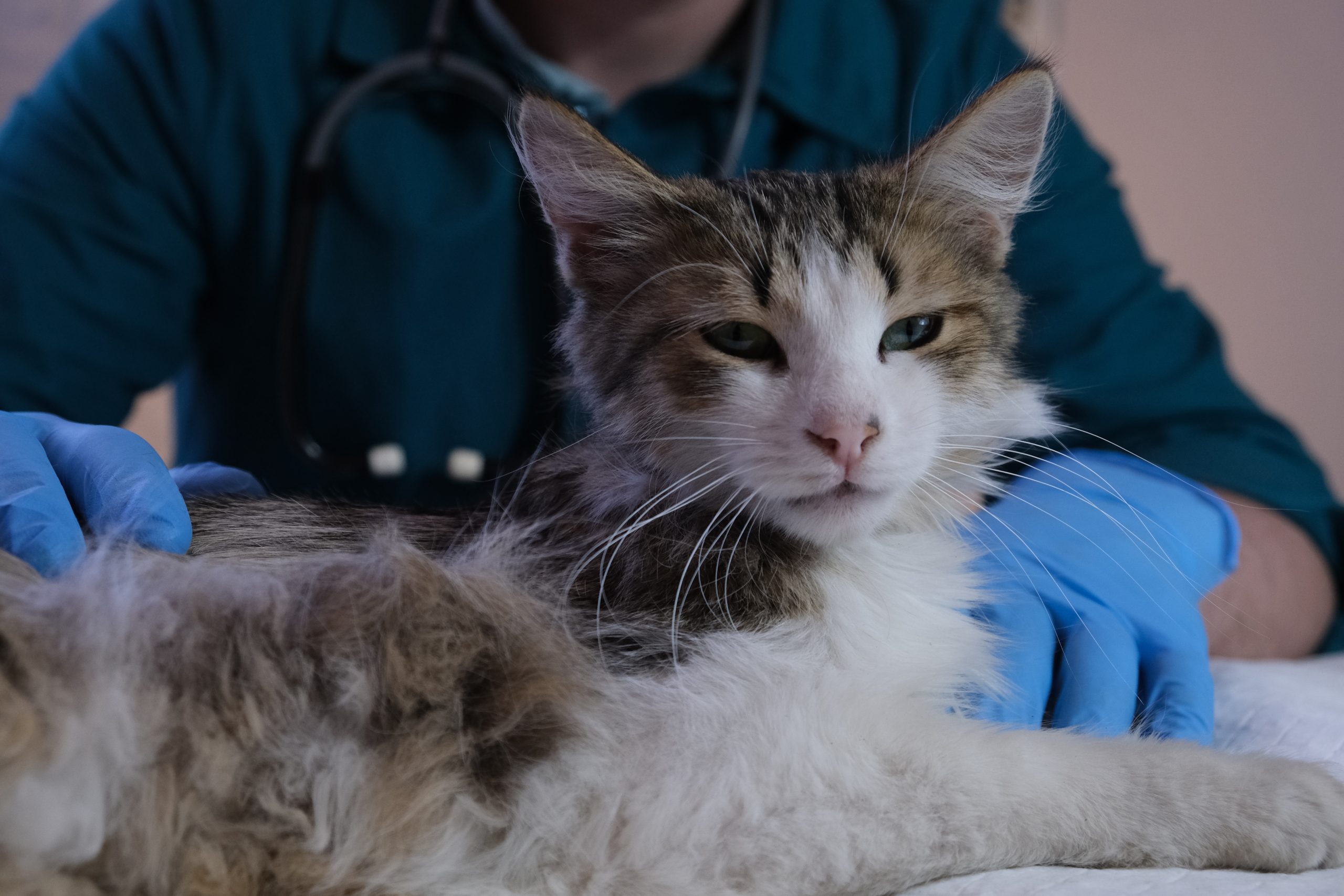
- Contact your veterinarian for further guidance
When to Seek Emergency Veterinary Care
Seek immediate veterinary care if:
- Your cat experiences seizures
- Your cat collapses or loses consciousness
- Symptoms persist beyond 10 minutes of cooling efforts
- Body temperature exceeds 104°F
- You notice blood in vomit or urine
How to Prevent Cat Heatstroke
There are a number of preventative measures you can put in place to ensure heat exhaustion or heatstroke never become an issue.
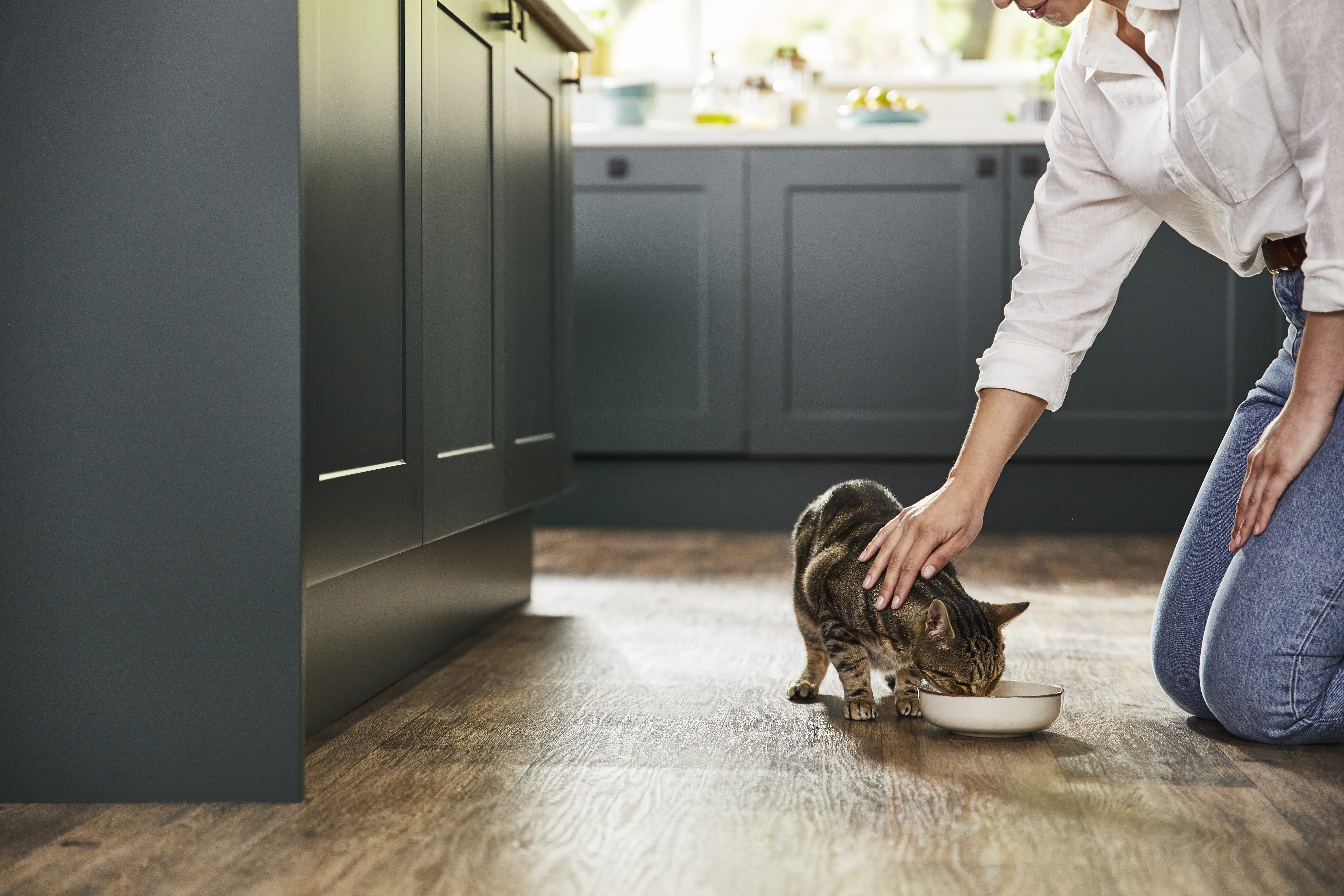
- Provide fresh water at all times – Ensure your cat has access to clean, fresh water throughout the day to remain hydrated
- Keep your home cool – Maintain indoor temperatures between 77-82°F and ensure good ventilation
- Create shaded retreats – Provide cool, ventilated areas for your cat to access at all times
- Limit sun exposure – Even if it appears relatively cool outside, direct exposure to the sun for a prolonged period can lead to overheating
- Avoid midday outdoor time – If the temperature is extremely high outside, keep your cat indoors until it cools down
- Skip exercise in hot weather – Always avoid exercising your cat during peak heat
- Never leave cats in vehicles – Cars heat up rapidly and can become deadly within minutes
If you’re concerned that your cat is showing the early signs of heatstroke, remove them from the hot environment immediately, spray them with cool – not ice cold – water and let them drink all the water they want.
If they’re continuing to struggle with overheating, take them to a vet to be checked.
If you are taking them in a car, ensure the vehicle is well ventilated, and do not leave them in there alone.
Frequently Asked Questions
Can indoor cats get heatstroke? Yes, indoor cats can get heatstroke. Poorly ventilated homes, lack of air conditioning, or rooms with direct sunlight can create dangerous conditions even indoors.
Which cat breeds are most at risk? Brachycephalic (flat-faced) breeds like Persians, Himalayans, and Exotic Shorthairs are at higher risk because their shortened airways make panting less effective for cooling.
How does wet food help prevent heatstroke? Wet food contains significantly more moisture than dry food, helping to keep your cat hydrated. This extra hydration supports their ability to regulate body temperature during warm weather.