



What is a healthy diet for cats?
Author: Reveal Pet Food
Date: August 27, 2026

A cat’s diet is just as important as ours.
A healthy diet for cats consists of high-quality animal protein, essential fats like omega-3s, fiber, vitamins, minerals, and adequate hydration. For a feline to live the happiest, healthiest life possible, they need to be fed a complete and well-balanced diet packed full of these nutrients.
And, of course, we shouldn’t forget about the taste either.
Key Components of a Healthy Cat Diet
- Adequate hydration – Fresh water and moisture-rich foods
- High-quality animal protein – Cats are obligate carnivores and require protein from meat sources like chicken, fish, or turkey (minimum 26% for adult cats per AAFCO guidelines)
- Essential fats – Omega-3 and omega-6 fatty acids for skin, coat, and brain health
- Fiber – Supports digestive health and regularity
- Vitamins and minerals – Including vitamins A, B, C, D, E, plus calcium, phosphorus, and taurine
Should I introduce my cat to a new diet slowly?
You won’t feed your cat the same diet all their life. As they grow and evolve, so do their tastes and nutritional requirements.
There’s certainly nothing wrong with changing up a cat’s diet.
Introducing new foods can give them a blend of different nutrients while simultaneously making mealtimes more exciting.
When changing a cat’s diet, emphasis should be on the ingredients – natural and high-quality – but make sure the transition is gradual, even if you’re introducing them to food that’s healthier.
Suddenly serving up your feline a brand new recipe has the potential to cause quite serious digestive upset, leading to vomiting and diarrhea. They may even develop an aversion to the food moving forward.
It can take up to a couple of weeks for a feline to adjust to a change in diet, even longer if they have a sensitive stomach.
Try mixing in the new food over the course of a week, slowly upping the amount each day.
Stay patient and watch for how they respond to each meal.
Examples of a healthy diet for your cat
Chicken
Cats thrive on high-protein diets, and you won’t find many better sources than chicken. A lean meat packed with nutrients, chicken will help maintain body weight and build muscle and is also linked to healthy bones and teeth. Reveal’s Chicken Breast With Duck In Broth is created using real protein, so it’s tasty and easy to digest.
Fish
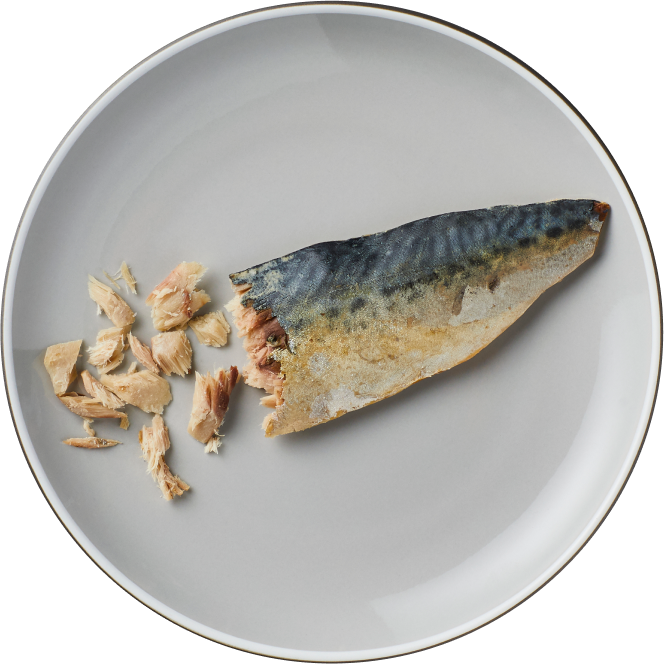
Another excellent source of protein, fish is a firm feline favorite. Easily digestible, it’s rich in omega-3 fatty acids; healthy fats that possess anti-inflammatory benefits and can help give your cat a shinier coat. Try Reveal’s Sardine With Mackerel In Broth or the Tuna with Shrimp in Broth if you’re looking to incorporate a little more fish into your feline’s diet.
Vitamins and Minerals
These essential nutrients are vital in helping your cat’s body perform a number of vital functions. They will boost their immune system, promote growth and development, and increase bone strength. A large portion of vitamins and minerals will be found in any whole meat and vegetable recipes you serve your pet. These are some of the more important ones you should be looking out for – Vitamins A, B, C, D and E, along with magnesium, zinc, potassium and calcium.
Healthy Treats
Treats are a fantastic way of showing our cats just how much we love them, but we can’t let them ruin a complete and well-balanced diet. Reveal’s Whole Tuna Loin treat is 100% tuna, 100% natural, 100% tasty; the perfect reward for a well-behaved feline.
Grain-Free Options
It’s well documented that grains can trigger intolerances in some cats. This can manifest itself in gut health discomfort and irritating skin conditions. Reveal wants only the best for your feline, which is why we offer grain-free recipes for those cats who struggle with sensitivities and allergies.
Limited Ingredient Cat Food
Recipes made with a restricted number of ingredients, usually a single protein and single carbohydrate source, can help prevent food intolerances and improve gut health. Reveal’s Tuna with Seaweed in Broth contains truly limited ingredients but is still packed full of flavor and nutrients.
Raw Diet
Raw meat, like protein-rich chicken, can make up part of a well-balanced cat diet. You do need to beware of bacteria, and the risk of cross-contamination. Nutritional imbalance is also a serious concern, which is why we always recommend feeding them a complete diet comprising high-quality dry and wet food.
Water and Hydration
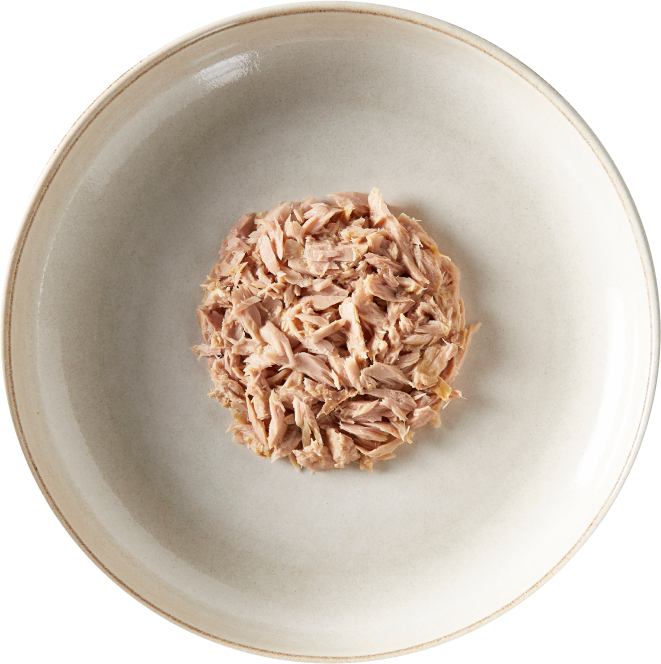
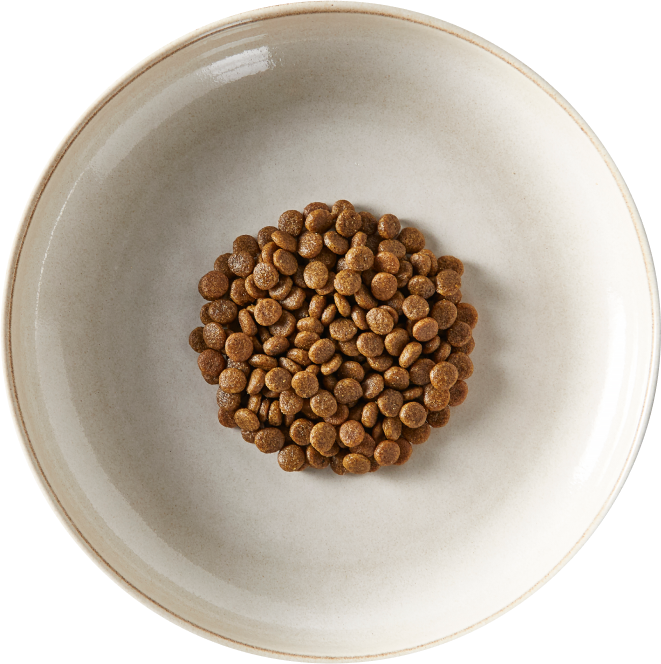
No cat diet is complete without water. Always make sure they have easy access to a clean, fresh bowl. Wet food typically contains 70-80% moisture compared to just 10% in dry food, making it an excellent way to boost hydration levels. Adequate hydration supports kidney function, urinary tract health, and overall wellbeing.
Foods to Avoid
Certain foods are toxic or harmful to cats and should never be fed to them:
- Onions and garlic – Can cause anemia and damage red blood cells
- Chocolate – Contains theobromine, which is toxic to cats
- Grapes and raisins – Can cause kidney failure
- Alcohol and caffeine – Highly toxic, even in small amounts
- Raw eggs – Risk of salmonella and can interfere with biotin absorption
- Xylitol – An artificial sweetener that is extremely dangerous for cats
When in doubt, consult your veterinarian before introducing any new human foods to your cat’s diet.
Feeding Guidelines by Life Stage
Nutritional needs vary depending on your cat’s age:
- Kittens (up to 12 months) – Require higher protein and calories for growth; feed 3-4 small meals daily with kitten-specific food
- Adult cats (1-7 years) – Typically need 20-30 calories per pound of body weight daily; feed 2 meals per day
- Senior cats (7+ years) – May need easily digestible proteins and adjusted calories; consult your vet for specific recommendations
Always follow AAFCO guidelines and consult your veterinarian for personalized feeding advice based on your cat’s weight, activity level, and health status.
Frequently Asked Questions
What should I feed my cat daily? Feed your cat a complete and balanced diet consisting primarily of high-quality commercial cat food (wet, dry, or a combination) that meets AAFCO nutritional standards. Most adult cats do well with two meals per day.
How much protein do cats need? Cats are obligate carnivores and require a minimum of 26% protein for adult maintenance, according to AAFCO guidelines. Kittens and pregnant or nursing cats need at least 30% protein.
Can cats eat fruits and vegetables? Some fruits and vegetables like pumpkin, carrots, and small amounts of apple (without seeds) are safe for cats and can provide fiber and nutrients. However, cats cannot digest plant matter as efficiently as meat, so these should only be occasional additions, not dietary staples.
Is wet food or dry food better for cats? Both can be part of a healthy diet. Wet food provides more hydration and is often higher in protein, while dry food can support dental health. Many veterinarians recommend a combination of both.
Conclusion
Spending time researching your cat’s nutritional needs is always time well spent. All cats are different so there’s never going to be a one-size-fits-all solution when it comes to diet. One characteristic a lot of cats do share is the fact they are creatures of habit, so try your best to stick to a feeding schedule that suits them and you. And remember to take things slow if you are changing up recipes.