


Why is my cat growling?
Author: Reveal Pet Food
Date: September 2, 2026
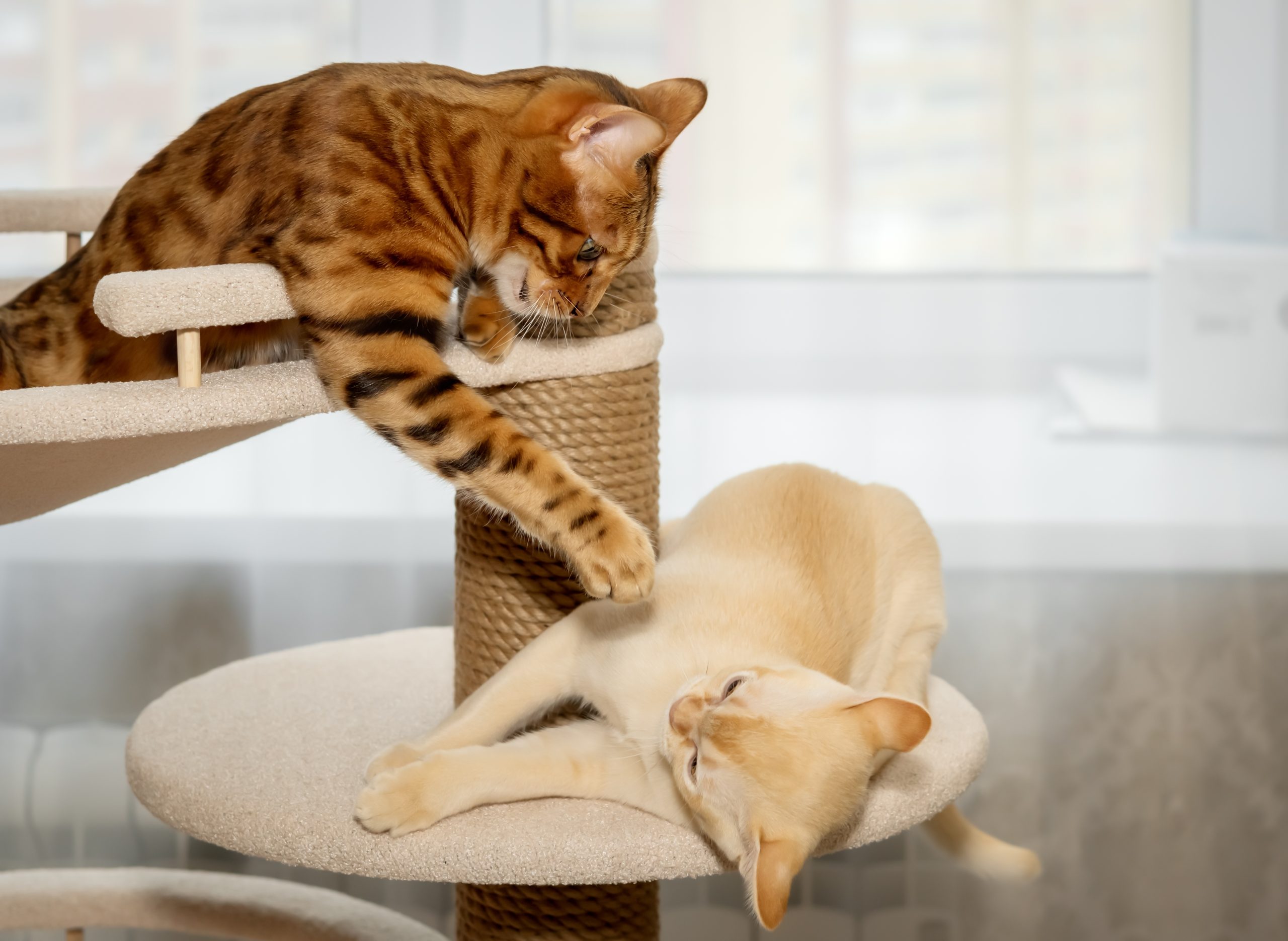
Cat growling is a low, guttural vocalization that signals fear, pain, territorial behavior, or agitation.
In short: Cats growl to communicate discomfort, assert dominance, express fear, or indicate pain. If your cat is growling, observe their body language and environment to identify the trigger, and give them space to calm down.
You’ll become accustomed to hearing your feline make a variety of noises during your time together.
Meowing, purring, hissing, chirping, crying; this is how our felines communicate with us.
You can also add growling to that list; one of the most distinctive sounds a feline can make.
You’re most likely to hear a cat growl if they’re angry or agitated.
But as this article will explain, there are a few reasons why you may end up seeing more of your feline’s teeth than you’d perhaps like.
Is it normal for a cat to growl?
Growling is a natural form of communicating for cats.
What starts out as a low, long, murmuring can quickly turn into a fierce, guttural sound accompanied by the curl of a lip and the exposing of teeth. According to the ASPCA, growling is often accompanied by body language cues such as flattened ears, dilated pupils, an arched back, and raised fur.
This type of sudden aggression in cats can be quite shocking to see, especially if you’re used to a more mellow feline.
Intimidating as the sight might be, it is also completely normal.
When a cat does begin growling, begin taking steps to address the issue, if there is one.
Sometimes the simplest solution is to give them a bit of space. Just because a cat is growling or hissing, it doesn’t necessarily mean there is something significantly wrong. It may be they’re just feeling a little crowded, overwhelmed, or wound up.
Giving them a little space may diffuse the situation without you actually having to intervene.
However, if there is an issue, especially if it’s a persistent one, it’s vital to identify it.
The main reasons for your cat to growl
- Territorial dominance – Growling is a common display of dominance. Cats can be highly territorial. In some cases, growling is simply their way of showing who’s boss. This can be a common issue in multiple cat or pet households, although pet parents may also receive a growl from time to time.
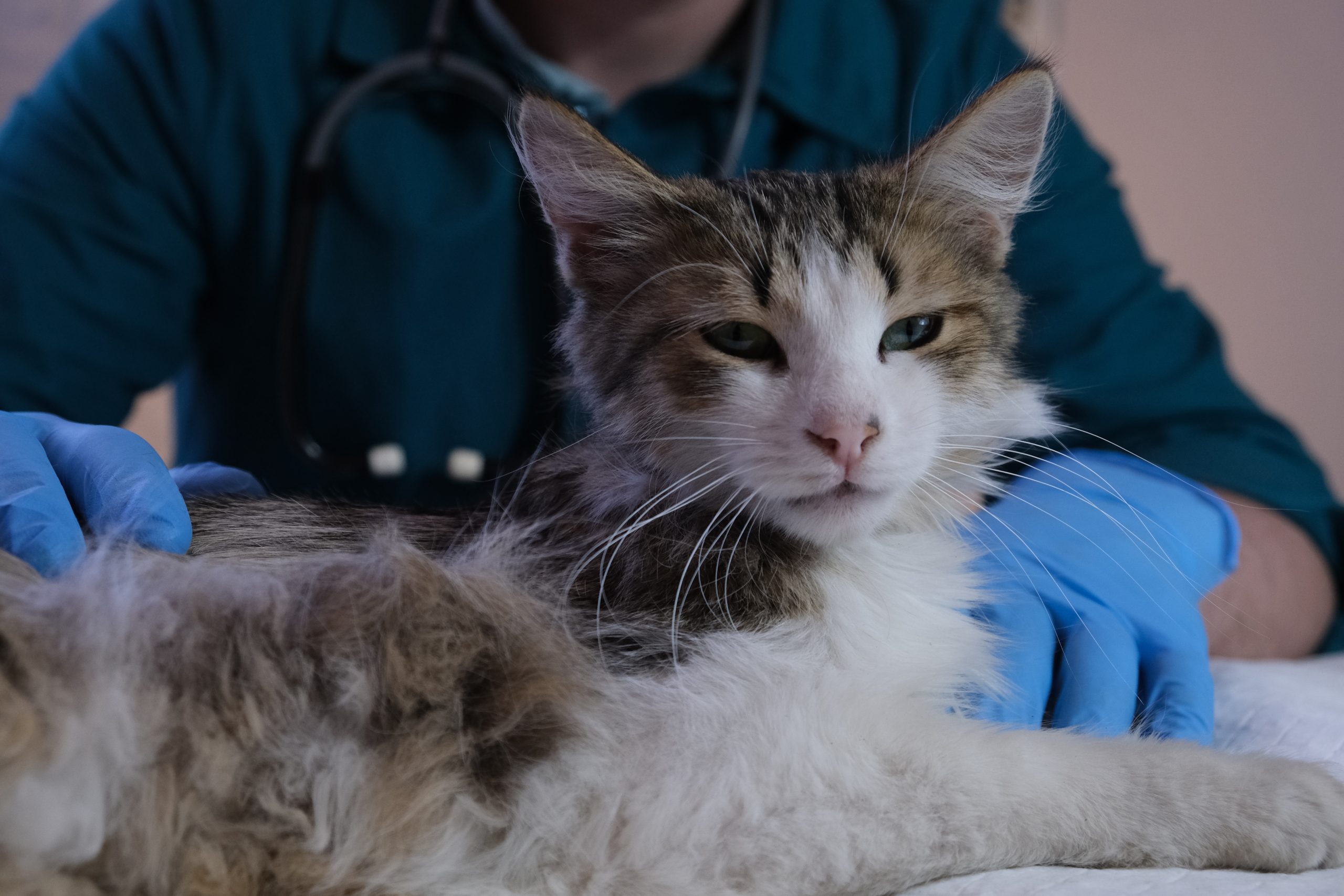
- Pain or injury – Your cat may be hurt or otherwise in pain. Uncharacteristic aggression, such as growling, can be a sign your cat is struggling physically. Pain or discomfort can be brought on by a number of things including dental disease, urinary tract infection, arthritis or a wound. If you think a medical condition may be the reason, carry out a thorough exam. A growl will typically occur when someone is trying to touch the affected area, so take your time and be gentle.
- Stress or anxiety – They may be feeling stressed. Cats don’t cope well with stress or anxiety. Moving home, a change in routine, trips to the vet; these are all potential triggers to be aware of. Signs of feline stress include restlessness, loss of appetite and aggressive behavior, such as growling. Pay close attention to your cat if they have started acting differently.
- Overstimulation during play – It can be easy to get a little carried away when having fun with your felines. Some cats enjoy playful aggression, but the line between play and prey can become easily blurred as overexcited cats begin biting and clawing. The second they start growling or show the slightest hint of agitation, stop what you’re doing. If they’re growling while playing with another cat, separate them until they settle down.
- Resource guarding – Don’t take something that belongs to them. Cats are fiercely possessive creatures. None more so than adult mothers who will protect their kittens if they believe they’re under threat. Cats can also become attached to food, toys or certain objects, so be careful when trying to remove an item from their possession.
- Anger or annoyance – Your cat’s feeling angry or annoyed. Angry cats are not pleasant company. They can be unpredictable, nasty, and even violent. When they’re in this mood, growling is often a sign they could be about to launch an attack against another pet, object, or pet parent. Treat this kind of growl as a warning sign. Back down and give them time to cool off, or leave the room and wait until they’re in a better mood.
- Fear or feeling threatened – They’re scared or feeling threatened. Don’t always assume that growling is a sign of aggression. Felines can bear their teeth out of fear sometimes. It could be that they’re unsure of a new environment, pet or person, or they’re feeling trapped. If this is the case, try and calm your cat down and make them feel as safe and comfortable as possible.
How to respond to a growling cat
- Stop what you’re doing – Immediately cease any interaction that may be triggering the growling.
- Give them space – Back away slowly and allow your cat room to calm down on their own.
- Observe their body language – Look for signs like flattened ears, raised fur, or a puffed tail to gauge their stress level.
- Remove potential triggers – If another pet, person, or object is causing distress, calmly remove it from the area.
- Avoid punishment – Never scold or punish a growling cat, as this will only increase their stress and aggression.
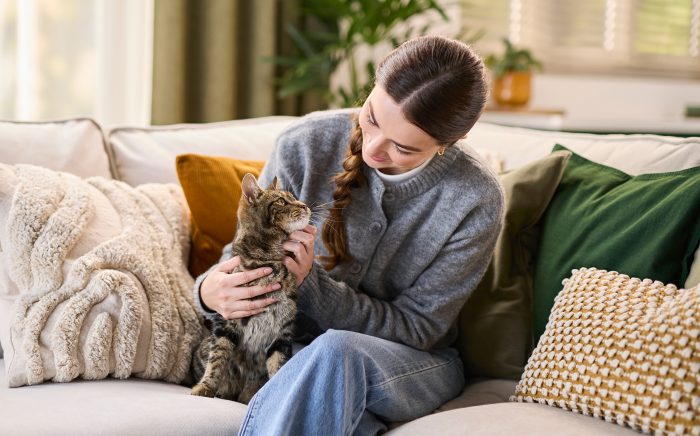
- Wait for them to settle – Allow your cat to approach you when they’re ready rather than forcing interaction.
When to see a vet
Contact your veterinarian if your cat’s growling is accompanied by:
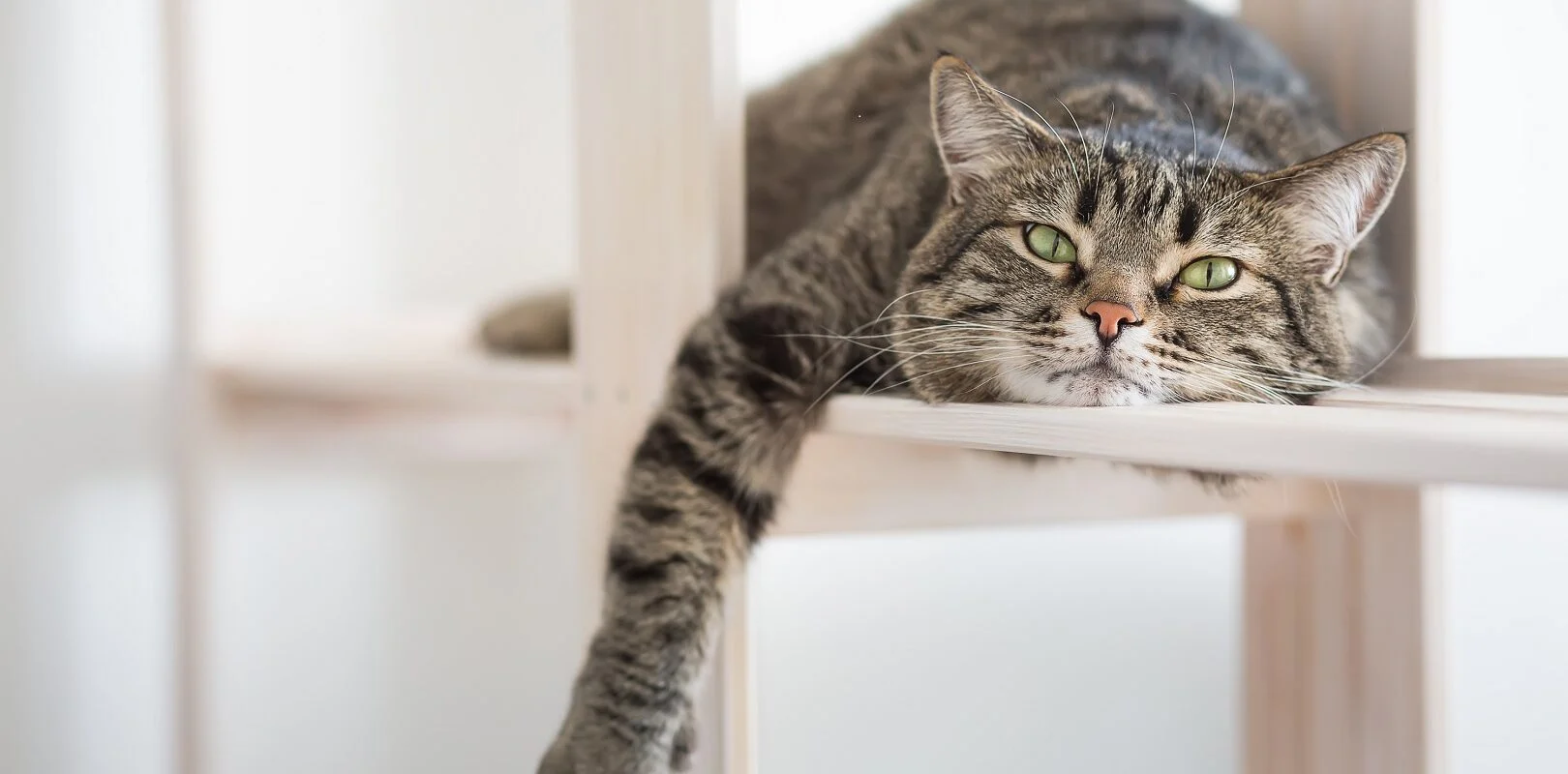
- Lethargy or unusual tiredness
- Loss of appetite or refusal to eat
- Visible injury or signs of pain when touched
- Sudden behavioral changes
- Growling that persists for several days without an identifiable cause
- Signs of illness such as vomiting, diarrhea, or difficulty breathing
With so many possible reasons behind a sudden show of aggression, try to identify whether there’s actually a problem before calling the vet.
The minute you believe their snappy behavior is linked to injury or illness, that’s the time to book an appointment.
Likewise, if you’re struggling to work out why they are acting this way, and the growling has started to become regular, take them to a vet for a check up.
Growling in specific situations
Why does my cat growl at night? Cats may growl at night due to territorial behavior triggered by outdoor animals they can hear or see, or because they feel more vulnerable in the dark. Nighttime growling can also indicate discomfort or pain that becomes more noticeable when the household is quiet.
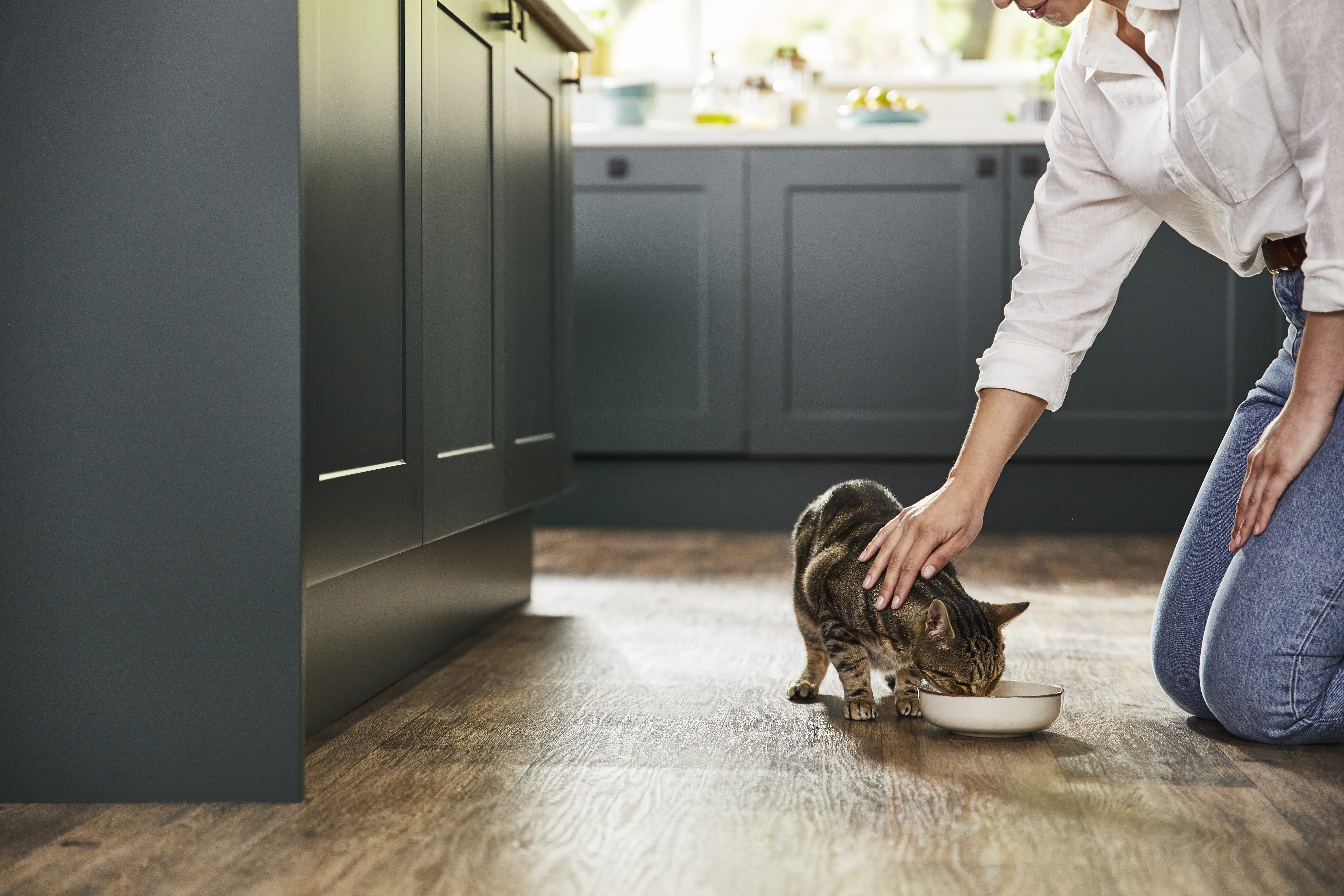
Why does my cat growl when eating? Food-related growling is typically resource guarding behavior. Your cat is protecting their meal from perceived threats. This is more common in cats who have experienced food scarcity or in multi-pet households.
Conclusion
No pet parent wants to come face-to-face with a growling feline. They may be small in size, but an irate cat in a teeth-baring rage can be a very intimidating sight.
However, it can also be a sign that all is not right in their world. First and foremost, give them space. Trying to comfort them will most likely only make the situation worse.
Under no circumstances should you scold or punish a growling cat. Instead, focus your attention on establishing what the issue is so you can fix it.
Frequently asked questions
Is cat growling normal? Yes, growling is a normal form of feline communication. Cats growl to express discomfort, fear, territorial feelings, or agitation.
How do I stop my cat from growling? Identify and address the underlying cause. Give your cat space, remove stressors, and avoid forcing interactions. If growling persists, consult your veterinarian.
When should I see a vet about cat growling? See a vet if growling is accompanied by lethargy, loss of appetite, visible injury, sudden behavioral changes, or if it persists without an identifiable cause.