

How to tell your cat is in heat
Author: Reveal Pet Food
Date: March 24, 2026
Reviewed by veterinary professionals
A cat “in heat” (also called estrus) is the fertile phase of a female cat’s reproductive cycle when she is receptive to mating.
Key Takeaways: Female cats typically go into heat between 5 – 9 months of age, with cycles lasting 3 – 14 days and recurring every 2 – 3 weeks during breeding season. Common signs include increased vocalization (“calling”), restlessness, excessive affection, and the mating position.
Cats generally go into heat several times a year with each cycle lasting around six days on average.
These cycles can start as early as four or five months into a cat’s life and will repeat until they are spayed or become pregnant.
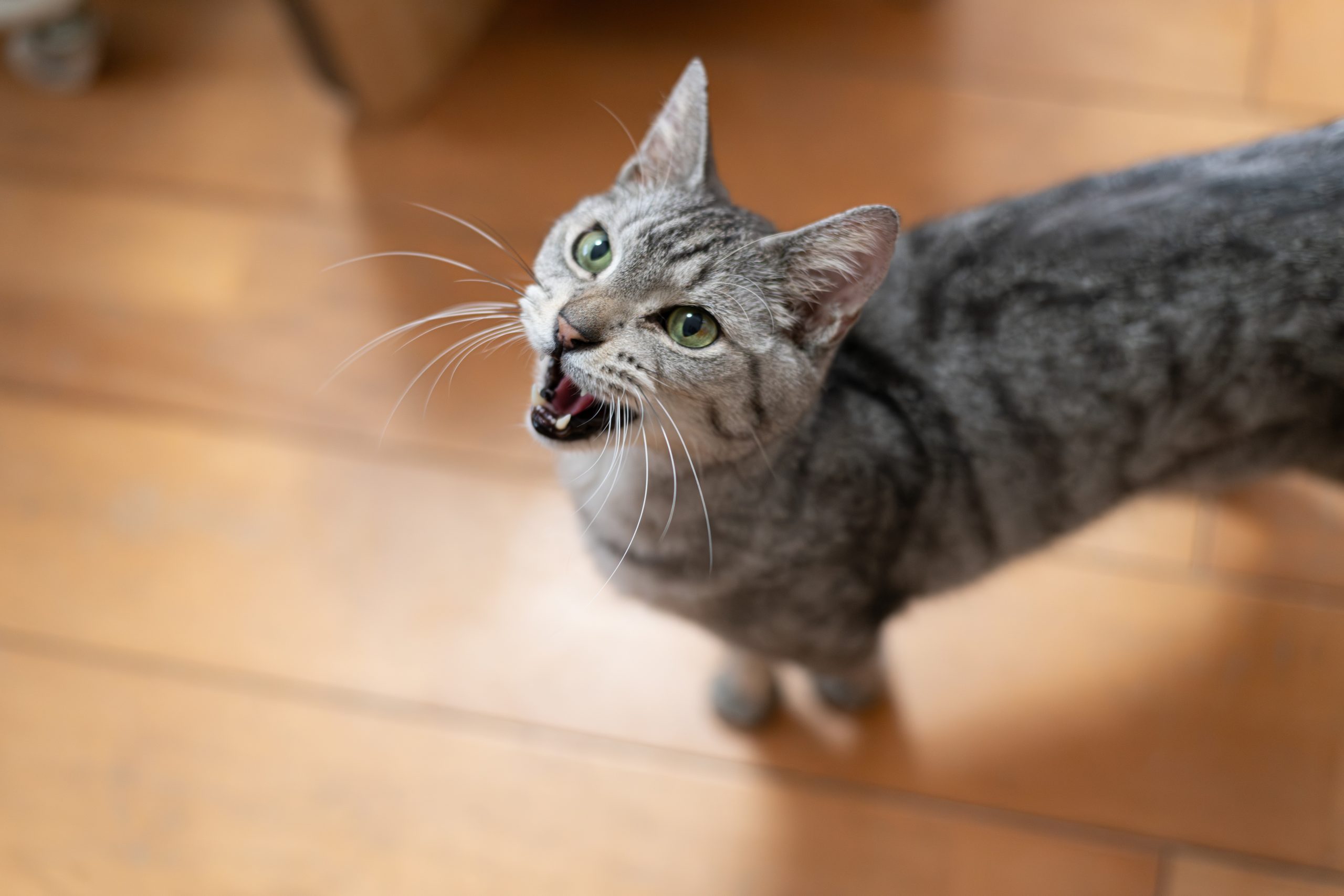
One of the biggest indicators a cat is in heat is increased vocalization.
Known as “calling,” this distressed-sounding wailing sounds different to standard meowing and can even keep pet parents up at night.
Some cats are extremely vocal so you may need to look out for other signs alongside this.
Knowing when our cats are in heat is important because they can experience added stress or anxiety during this time.
It’s up to us to ensure they remain as calm and comfortable as possible.
The signs your cat is in heat
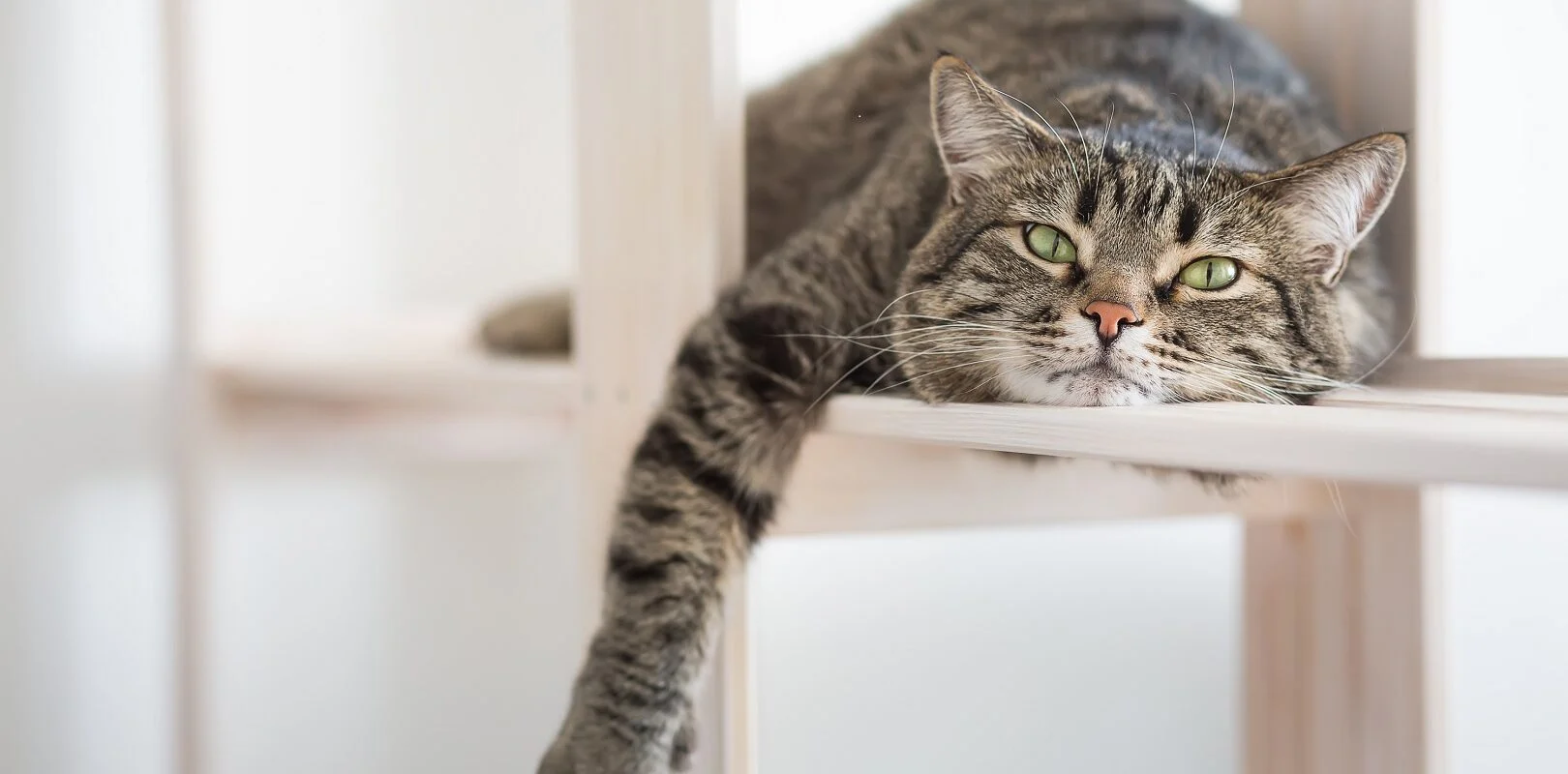
- Restlessness – Difficulty settling or getting comfortable due to hormonal changes. If your cat is struggling to relax or get comfortable then this could be a sign that they’re in heat. Remember, their body is undergoing significant hormonal changes, so they are bound to see a few behavioral changes. Try and make conditions as cozy as possible for them. Maybe place a warm blanket, or a pillow, in their bed. A bit of extra TLC is definitely required when your cat is in heat.
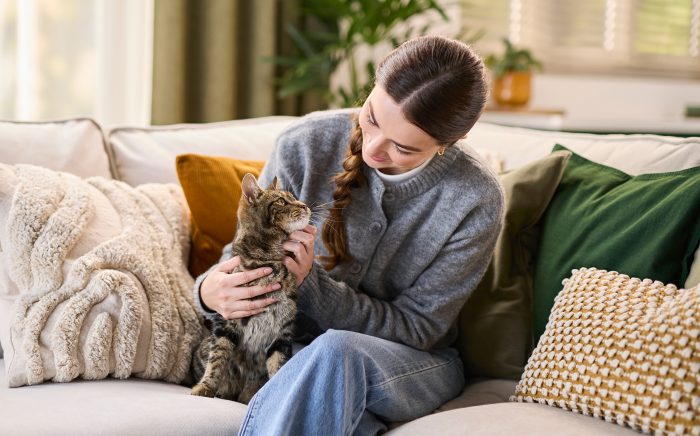
- Increased affection – Excessive rubbing against objects and people to spread scent. Cats in heat will tend to show a lot more affection. This can see them rubbing up against furniture, walls, even your ankles, in order to spread their scent, which changes when they are in their heat cycle. Increased levels of affection can be quite a prominent indicator, especially if your feline isn’t usually one for fondness.
- Extended time spent outside – Increased desire to roam in search of a mate. Have you noticed your feline spending longer periods of time outside? Or is your usual, relaxed, stay-at-home feline now desperately trying to escape the property at any given opportunity? Cats in heat want to venture outdoors more often so they can increase their chances of finding a mate. Keep all windows and doors locked, and if you have a cat flap ensure this is fastened shut. This will prevent any unwelcome visitors who may have picked up your cat’s scent from getting in.
- Excessive grooming – Intensified licking of the genital area due to swelling and discomfort. Your cat’s genital area may become swollen and uncomfortable while they are in their heat cycle. Intensified grooming, focusing on this area, is their way of trying to alleviate discomfort. If they have been spayed then this can be a sign that they have picked up an infection.
- Mating position – Lowering the front body while raising the hindquarters with tail held aside. Your cat may begin taking on the mating position where they drop their head, lay their front half low and push their rear end into the air. They will sometimes also hold their tail to one side when doing this. This tends to happen when she is being petted.
- Spraying urine – Frequent urination on vertical surfaces to release estrogen-scented signals. This is one sign you certainly need to watch out for. Some cats will urinate more frequently when they are in heat, and this can involve spraying against vertical objects such as a wall. The reason they do this is because their urine is heavily scented with estrogen, which acts as a signal for attracting males.
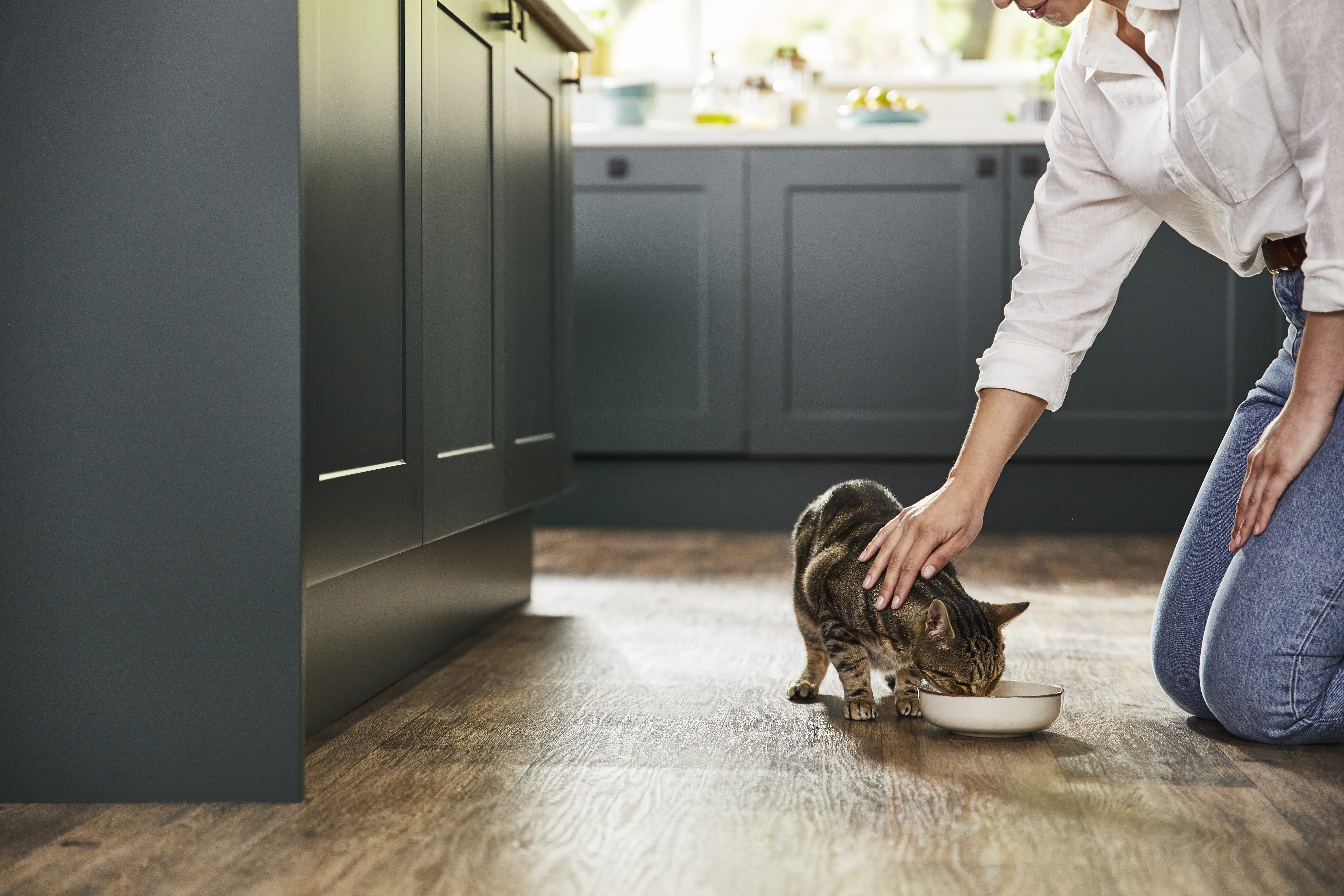
- Decreased appetite – Temporary loss of interest in food during the heat cycle. You may notice your cat begins to lose their appetite during this period. This is perfectly normal, so there is no need to worry. However, if their disinterest in food continues once the heat cycle has finished you will need to speak with a vet. All cats are different and you may find that your feline’s appetite actually increases while in heat. Be sure to keep a close eye on mealtimes, monitoring exactly how much they are eating.
What to do when your cat is in heat
- Secure your home – Keep windows and doors closed, and lock cat flaps to prevent escapes and unwanted visitors.
- Provide extra comfort – Offer warm blankets, a cozy bed, and additional attention to help reduce stress.
- Maintain a calm environment – Minimize loud noises and disruptions to help keep your cat relaxed.
- Monitor food and water intake – Ensure fresh water is available and track any appetite changes.
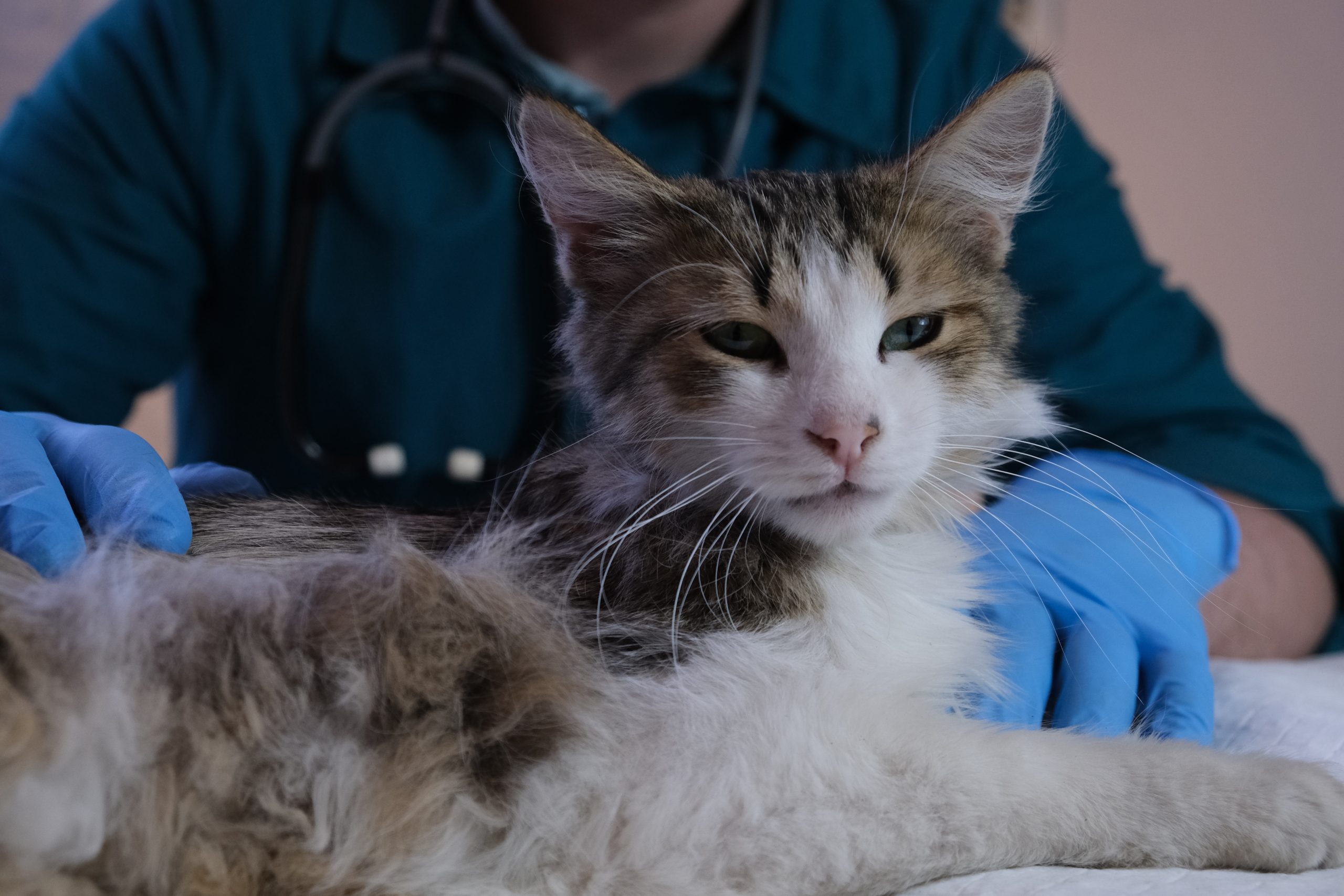
- Consult your veterinarian – Discuss spaying options to prevent future heat cycles and reduce health risks.
Frequently asked questions
How long does a cat stay in heat?
The estrus (heat) phase typically lasts 3 – 14 days, with an average of about six days. If the cat does not mate, she may go back into heat within 2 – 3 weeks.
At what age do cats first go into heat?
Most female cats experience their first heat cycle between 5 – 9 months of age, though some may start as early as four months.
Do cats bleed when in heat?
Unlike dogs, cats do not typically bleed during their heat cycle. If you notice bleeding, consult your veterinarian as this may indicate a health issue.
How can I calm a cat in heat?
Provide a warm, quiet space, offer extra affection and playtime, and keep your cat indoors. Some pet owners find that calming pheromone diffusers can help. Spaying is the most effective long-term solution.
Keeping your cat healthy
Whether your cat is in heat or not, feeding them a nutritious, well-balanced diet is vital to keep them healthy and happy.
All our limited ingredient cat food recipes are filled with quality goodness and real animal protein that will leave your felines purring with pleasure.
No grains, no fillers, no additives; just wholesome meals packed with body-boosting goodness, and dripping in flavor.