

The Main Reasons Why Your Cat is Bloated
Author: Reveal Pet Food
Date: April 16, 2026
Cat bloating is a condition where the stomach fills with gas, fluid, or food, producing a feeling of fullness and tightness in the abdomen. If you’ve ever struggled with bloating yourself, you will know just how uncomfortable it can be—your stomach feels bigger than usual, and there is often pain and discomfort, which make moving around difficult.
Our cats suffer much in the same way we do when we are struck down by this intestinal issue.
Common causes of cat bloating include:
- Overeating
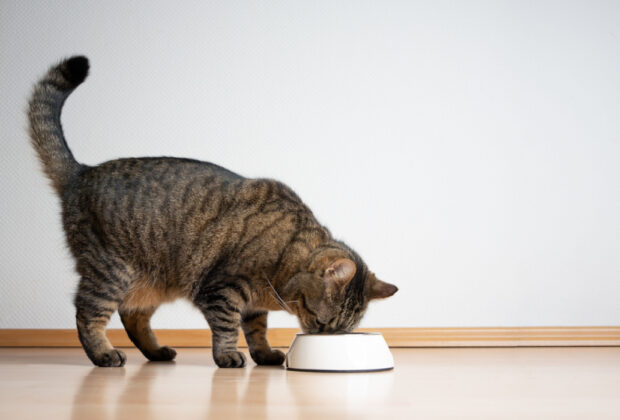
- Eating too quickly
- Drinking too much water
- Fluid buildup
- Intestinal parasites
More often than not, the digestive distress will ease up on its own.
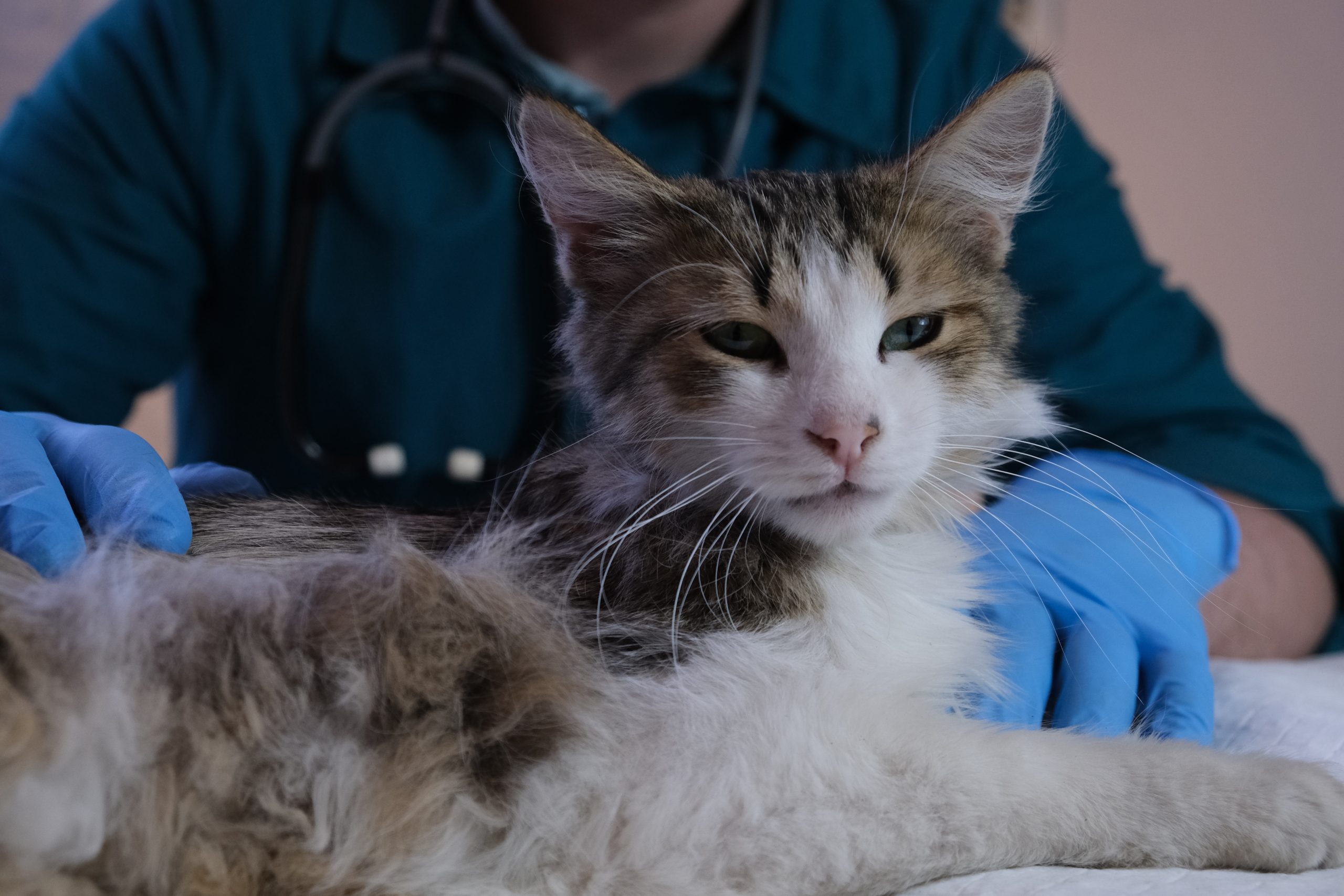
If it doesn’t, or your feline appears to be in constant pain as a result, you will want to take them to a vet for a check-up immediately.
Signs and Symptoms of a Bloated Cat
The obvious sign a cat is suffering from bloating is a change to their physical appearance.
What does this look like?
You may notice their stomach becomes more swollen or distended, bulging beyond the normal outline of their body.
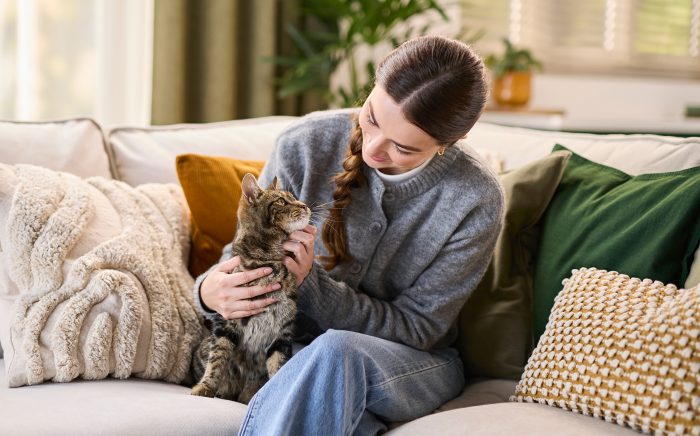
It may also feel firmer or harder to touch. A cat’s stomach should feel soft and tender, and if you are giving it a gentle rub, they shouldn’t flinch or suddenly attempt to move away.
If you suspect your cat may be bloated, take care when examining them. If they are in real discomfort then the last thing they will want is being poked and prodded while we try and work out what’s wrong with them. It’s also not uncommon for them to guard their stomach while feeling the effects of bloating.
Cat’s are masters at hiding injury or illness. The clues will be there, but you will definitely need to be paying attention.
Other symptoms that may accompany bloating include:
- Repeated attempts to vomit or belch
- Lethargy
- Rapid heart rate
- Drooling
- Sudden weakness
- Guarding behavior
The 5 Main Causes of Cat Bloating
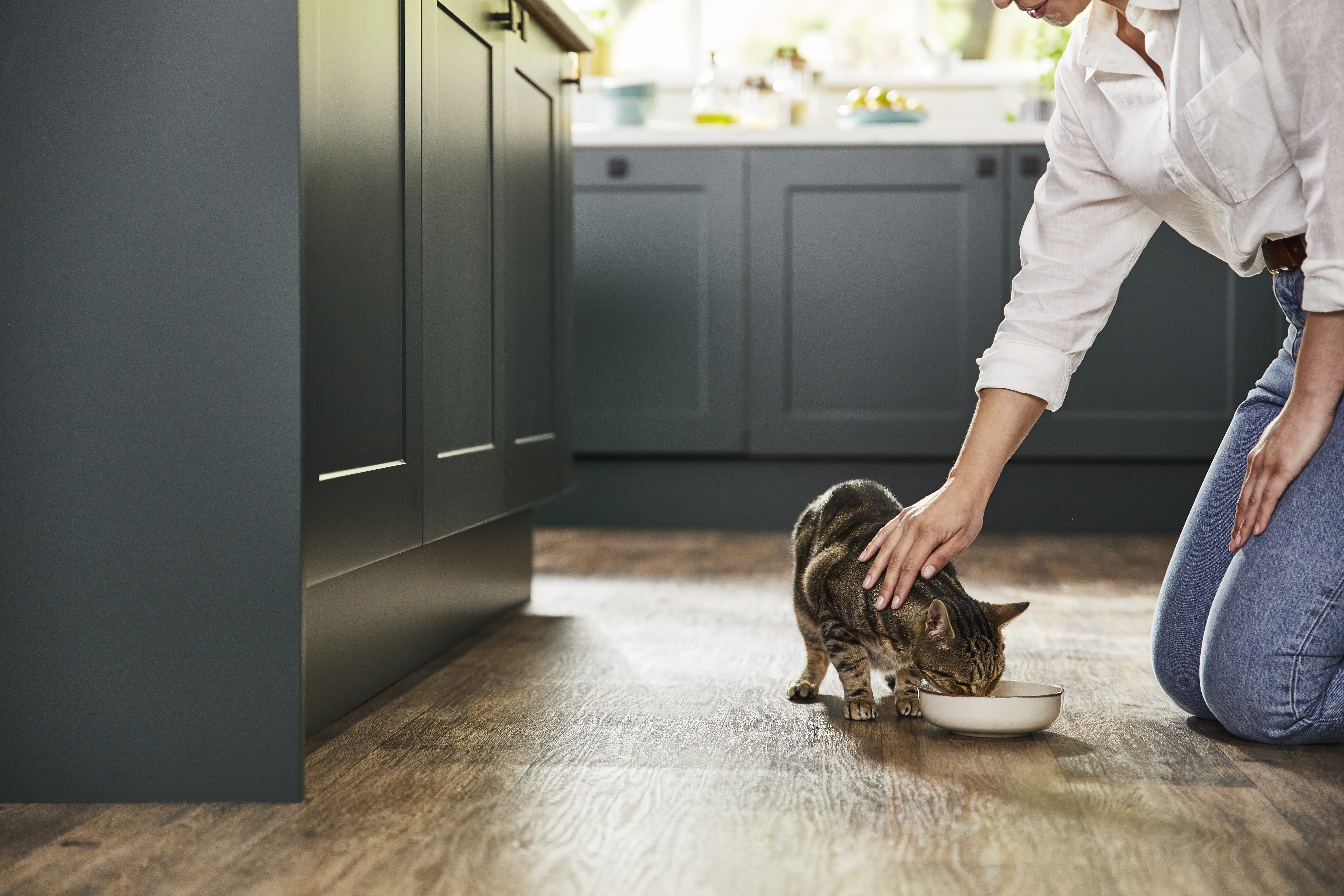
- Overeating – We love it when our felines enjoy their food, but we need to be careful we don’t stray into overfeeding territory when serving up their favorite meals. Ensuring your cat receives the right amount of food is vital if they are to remain happy and healthy. Too much could lead to bloating in the short term, while continued overfeeding will inevitably result in significant weight gain down the line.
- Eating too quickly – Speed eating can be just as big an issue as overeating. When cats eat too fast, they swallow more air, which can cause bloating and gas. However, getting them to slow down can be a tad tricky. One way to help them adopt a more leisurely eating pace is to spread their food out on a plate or mat, leaving a good-sized gap between each portion.
- Drinking too much water – Giving our pets access to fresh, clean water daily is essential if they are to remain hydrated and healthy. Just like with food though, too much H2O and you run the risk of overwhelming their bodies and causing bloating. Excessive thirst can also be a sign of a serious medical condition, such as diabetes or kidney disease.
- Intestinal parasites – Contracting worms is a very common problem for both indoor and outdoor cats. Infestation occurs when a feline swallows a flea that is carrying tapeworm eggs. Once inside their intestines, the eggs hatch, releasing the worms into their stomach, causing swelling. As well as a pot-bellied appearance, other signs your cat may have intestinal parasites are diarrhea, vomiting, weight loss, and a dull coat.
- Build up of fluid – There are numerous reasons why your cat’s abdomen could start filling up with fluid, thus resulting in a swollen, hardened stomach. Hemorrhaging, inflammation, ruptured bladder—any one of these has the potential to cause your cat a lot of pain or distress, and they should be seen by a vet as soon as possible.
Is Bloating Serious?
We tend to think of bloating as a minor inconvenience or annoyance, which in most cases for us humans, it is.
For cats though, depending on the root cause, it can be extremely serious.
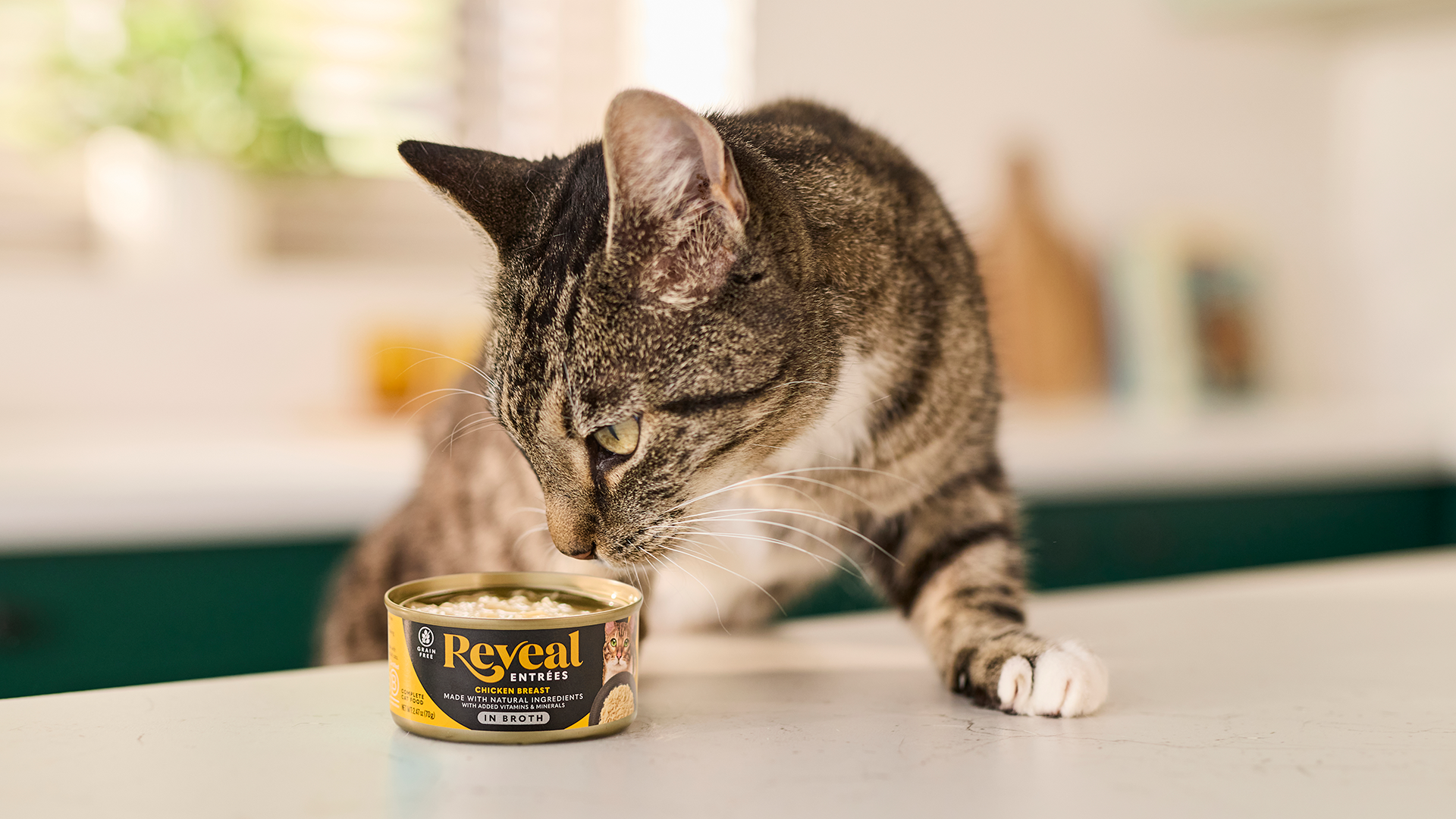
If you’ve just seen them wolf down a can of Tuna Fillet in Broth in a matter of seconds, then it’s probably just a case of waiting an hour or two for their gut to settle down of its own accord.
An underlying medical condition, on the other hand, one that may be causing the bloating, needs to be dealt with swiftly. Otherwise, the abdominal swelling brought on by it may begin to put their organs under increasing pressure.
When to Seek Veterinary Help
You won’t want to be calling the vet every time your cat eats or drinks too much food or water. Persistent bloating, however, is cause for concern, especially if accompanied by more concerning symptoms.
Contact a vet immediately if:
- Bloating comes on suddenly
- Bloating is accompanied by persistent vomiting or rapid breathing
- Your cat appears in extreme discomfort or pain
- Your cat shows signs of weakness or collapse
The bloating, combined with the trip to the vet, has the potential to send your cat’s anxiety levels soaring, so do all you can to make them as comfortable as possible before embarking on the journey.
Bloating Prevention Tips
You can help reduce the risk of bloating in your cat with a few simple steps:
- Measure food portions carefully to prevent overeating
- Spread meals into smaller, more frequent portions throughout the day
- Use slow-feeder bowls to reduce air swallowing during meals
- Monitor water intake and consult a vet if your cat drinks excessively
- Schedule regular vet checkups for parasite prevention
To stop your cat from overeating, make sure your cat is getting everything they need from their mealtimes. Felines are at their best when they’re eating a complete and well-balanced diet; one that’s packed with rich, high-quality protein, and brimming with natural ingredients. If they’re not receiving the right amount of essential nutrients, the chances are they’re going to remain unsatisfied and hungry.
For more on cats and their diet, why not spend a few minutes reading our What Is The Best Diet Food For Cats?
Frequently Asked Questions
Is cat bloating an emergency?
Cat bloating can be an emergency if it occurs suddenly, or if it’s accompanied by vomiting, rapid breathing, or pain. Seek veterinary care immediately if your cat shows these signs.
How long does bloating last in cats?
Mild bloating from overeating or eating too quickly typically resolves within a few hours. If boating persists beyond this, or worsens, consult your vet.