


My cat keeps sneezing – What is causing it?
Author: Reveal Pet Food
Date: April 24, 2026
Cat sneezing is usually caused by upper respiratory infections, inflammation (rhinitis or sinusitis), environmental irritants, dental disease, recent vaccinations, or in rare cases, nasal tumors. Occasional sneezing is normal, but persistent sneezing lasting more than a week warrants a veterinary visit.
A sneezing cat is perfectly natural; it’s their body releasing a blast of air through their nose and mouth, usually in response to irritants in the nasal passages. Irritants can include dust, grass, hair, a nose tickle or a respiratory infection, and it’s that last one that pet parents need to be most aware of.
Upper respiratory infections, often referred to as ‘cat flu’, are similar to the colds we experience, but can be a lot more serious. They are caused by different viruses or bacteria and affect the nose, throat, and sinuses. If your cat is continuously sneezing, and you suspect they are suffering from an upper respiratory infection, make an appointment with your vet.
Common Causes of Cat Sneezing
- Upper respiratory infections (cat flu) – Viral or bacterial infections affecting the nose, throat, and sinuses
- Inflammation (rhinitis/sinusitis) – Swelling of the nasal passages due to infection, allergies, or trauma
- Irritants and foreign bodies – Dust, smoke, perfume, cleaning products, or grass particles
- Dental disease – Tooth root infections spreading bacteria to the nasal cavity
- Vaccines – Mild, temporary side effect lasting 2-5 days after vaccination
- Nasal tumors – Rare but serious underlying condition requiring veterinary attention
What causes cats to sneeze?
Flu
This illness tends to be caused by either the feline herpesvirus or the feline calicivirus.
Symptoms can differ depending on the cause and location of the infection, but sneezing is generally one of the common ones. Others include runny nose, cough, breathing problems, fever, loss of appetite and congestion.
These viruses are easily spread by direct contact or when cats cough and sneeze on each other. They can also be spread indirectly through objects like food bowls and litter trays. Most upper respiratory infections will resolve themselves over time, but contact your vet if the symptoms continue to worsen.
Inflammation
Both rhinitis (inflammation of a cat’s nose) and sinusitis (inflammation of the nasal passages) can cause a cat to sneeze. You may also notice nasal discharge, a stuffy nose and increased pawing of their face. Inflammation can be caused by infection, allergies, blocked nasal ducts, parasites and trauma.
In mild cases, vets may prescribe antihistamine and anti-inflammatory medications to help reduce symptoms. If there appears to be any underlying conditions, further tests may be carried out. Chronic inflammation will need to be treated on a regular basis.
Irritants and foreign bodies
The occasional cat sneeze could be brought on by an inhaled allergen, or a nearby irritant that’s attacking their sensitive nasal passages. Like with humans, irritants can trigger a sneezing fit in a cat from out of nowhere.
The list of potential nose tormentors is long. It includes dust particles, smoke, cleaning products, perfume, and even pieces of grass. Once you have isolated the irritant and removed it from your cat’s nose or their surroundings, the sneezing should subside.
Dental disease
The roots of a cat’s teeth are extremely close to their sinuses. Any infection in the root can result in bacteria affecting the nasal cavity, leading to inflammation and sneezing. A tooth abscess, caused by bacterial infection, can be an incredibly painful condition for cats that needs to be treated as soon as possible. Symptoms include drooling, pawing at their mouth, nose bleeds, a swollen face and sneezing.
If you suspect your cat is struggling with dental disease, schedule an appointment with the vet who will administer the appropriate treatment.
Vaccines
Cat vaccinations help to protect your feline from severe infectious diseases. It is perfectly normal for your cat to experience a few mild side effects after their vaccinations, one of which may be sneezing. Thankfully, this should only last for two to five days and will usually remedy itself without need for treatment. If they’re still sneezing after a week, there may be an underlying condition that needs to be identified.
Tumors
While more often than not a cat sneezing is nothing to worry about, there are occasions when the cause is down to an underlying medical condition. Nasal tumors are not very common in cats, but when they do occur it goes without saying they’re extremely serious. Common early symptoms include sneezing, along with nasal discharge, facial deformity and a runny nose. As the symptoms are quite similar to conditions like cat flu, it emphasizes the need to monitor your feline closely and contact your vet if they don’t get better.
Should I be worried if the sneezing isn’t temporary?
No, occasional sneezing is normal. However, see a vet if sneezing persists beyond one week or is accompanied by other symptoms.
Watch for these warning signs:
- Nasal discharge (especially if colored or bloody)
- Fever or lethargy
- Loss of appetite
- Breathing problems or wheezing
- Swelling around the face or nose
The first thing to do is try and identify any patterns. When are they sneezing? Is it happening at the same time of day? Do the sneezes tend to occur in a particular room in the house?
This will help you eliminate any environmental factors such as nearby irritants that may be a contributing factor. One place you should focus your attention on is the litter tray. If your cat is sneezing straight after using it, it could be a sign the cat litter is either too dusty or contains a minor allergen.
Also, check the products you are using to clean the tray in case these are causing your cat nasal discomfort.
Once you have identified the potential cause and removed it, you will need to keep a careful eye and ear on their behaviors. If the sneezing continues, then there’s a good chance you may be dealing with an infection or possibly an underlying medical condition.
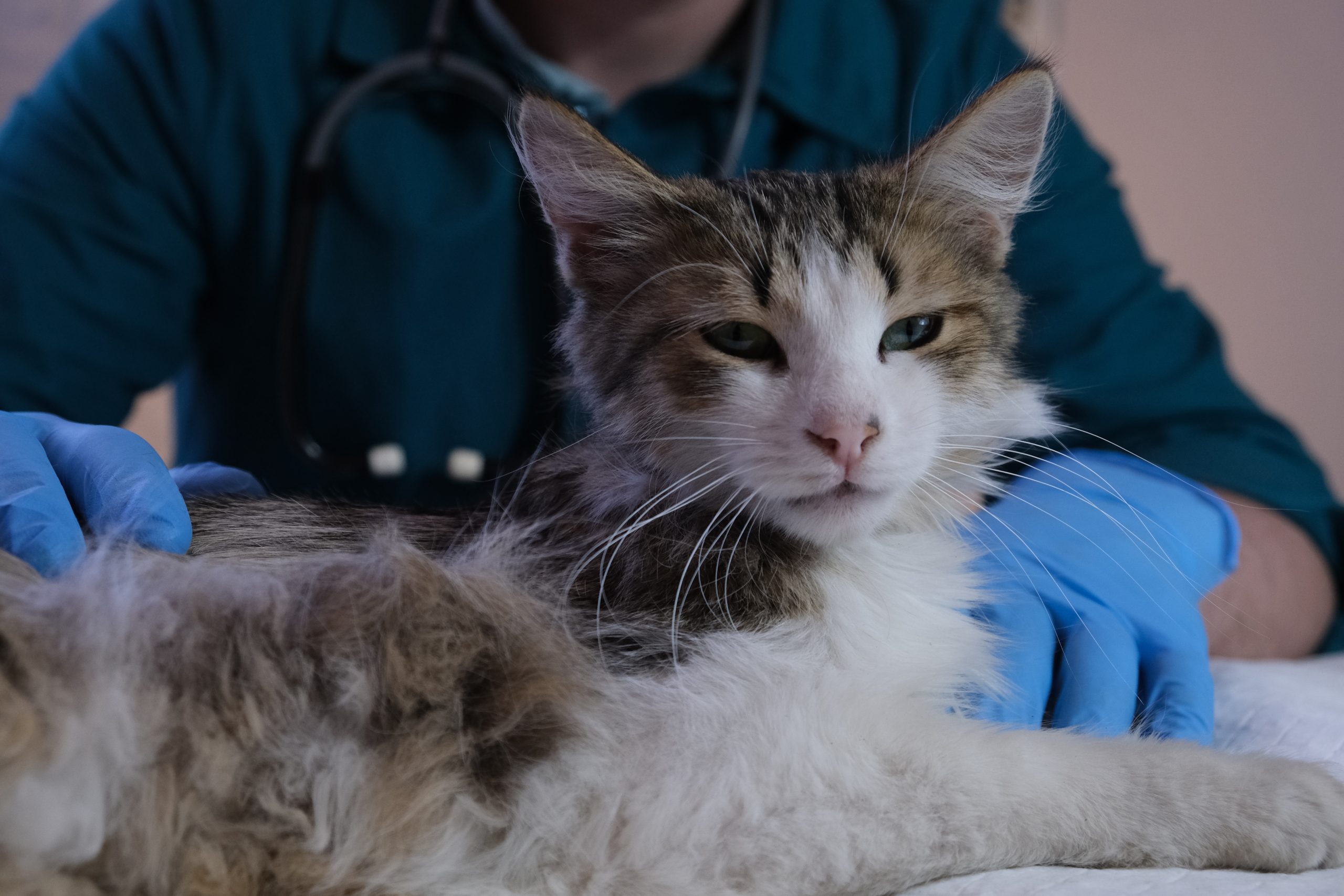
At this point, it is best seeking the advice of a vet who will perform a physical exam before recommending the best course of action.
Home Care Tips
Before visiting the vet, try these steps at home:
- Monitor how long the sneezing has been occurring and note the frequency
- Check for nasal discharge and note its color and consistency
- Remove potential irritants from your cat’s environment (dust, strong scents, smoke)
- Switch to a low-dust cat litter if sneezing occurs after litter box use
- Ensure your cat stays hydrated and continues eating normally
- Keep your cat away from other pets to prevent potential spread of infection
Sneezing can be a sign your cat’s immune system is struggling. One of the best ways to boost a cat’s natural defenses, in order for them to fight off illness effectively, is to ensure they are eating a complete and well-balanced diet.
Frequently Asked Questions
Is cat sneezing contagious to humans? No, the viruses that cause cat flu (feline herpesvirus and calicivirus) are species-specific and cannot be transmitted to humans.
How long does cat flu last? Most cats recover from upper respiratory infections within 7-21 days. However, some cats may become carriers of the virus and experience recurring symptoms during times of stress.
Can I treat my cat’s sneezing at home? Occasional sneezing from minor irritants can be managed at home by removing the irritant. However, if sneezing persists for more than a week or is accompanied by other symptoms, veterinary care is recommended.
When should I take my sneezing cat to the vet? Visit your vet if sneezing lasts longer than one week, is accompanied by colored nasal discharge, or if your cat shows signs of fever, loss of appetite, or breathing difficulties.