

Dry Skin – Cat Diet & Food Advice
Author: Reveal Pet Food
Date: September 29, 2026
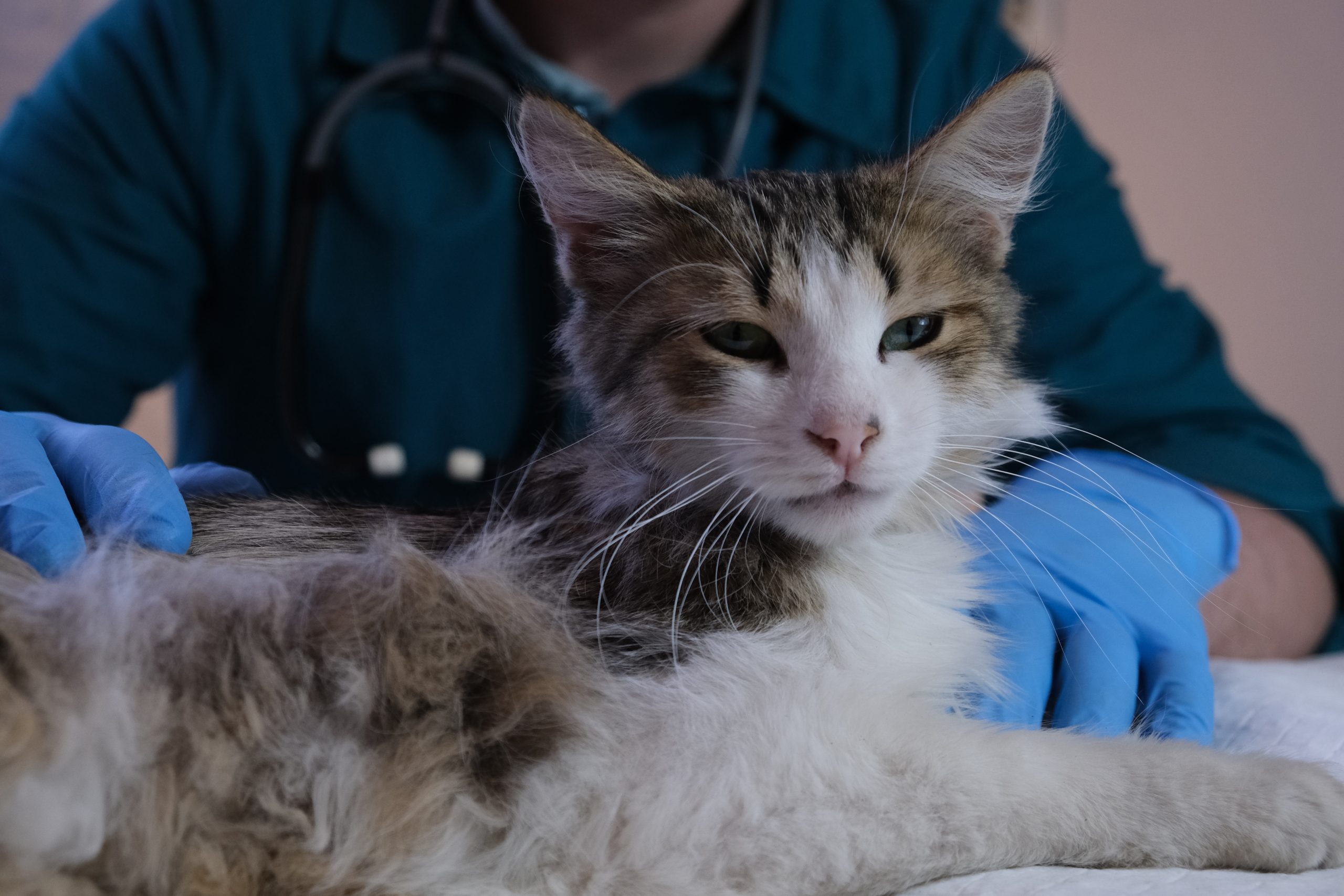
Dry skin in cats is a condition characterized by flaky, itchy, or irritated skin, often caused by nutritional deficiencies, environmental factors, or underlying health issues. Not only can it be extremely uncomfortable, if untreated it may eventually lead to infections.
A common cause of cat dry skin is actually what’s in their food bowl. For felines to maintain healthy skin, they need to be eating a balanced diet that’s rich in nutrients and includes fatty acids.
Top 5 causes of dry skin in cats:
- Poor nutrition and nutritional deficiencies
- Environmental factors (weather, dry air, temperature extremes)
- Parasites (fleas, worms, lice, ticks)
- Inadequate grooming or overgrooming
- Underlying medical conditions
Omega-6 fatty acids play a vital role in skin health, maintaining the moisture barrier and supporting natural defenses.
The added moisture in wet food should also help keep your cat’s skin hydrated. Feeding your cat a wholesome diet packed with goodness will not just take care of their skin, it will contribute to their overall health as well.
Best Nutrients for Cats with Dry Skin
To support healthy skin, look for cat food containing these key nutrients:
- Omega-3 and Omega-6 fatty acids – Maintain the skin’s moisture barrier and reduce inflammation
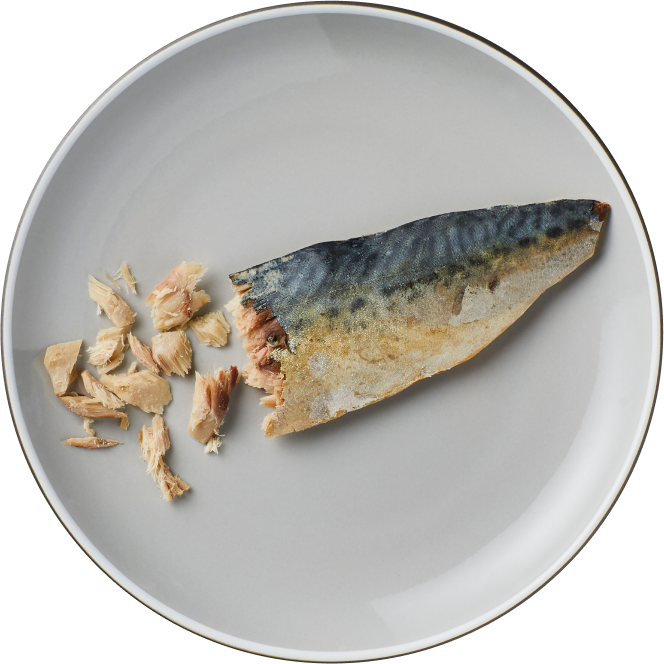
- Quality animal protein – Provides essential amino acids for skin cell repair and regeneration
- Moisture/hydration – Supports skin elasticity and overall hydration
- Vitamin A – Promotes healthy skin cell production
- Vitamin E – Acts as an antioxidant to protect skin cells from damage
Wet Food vs. Dry Food for Skin Health
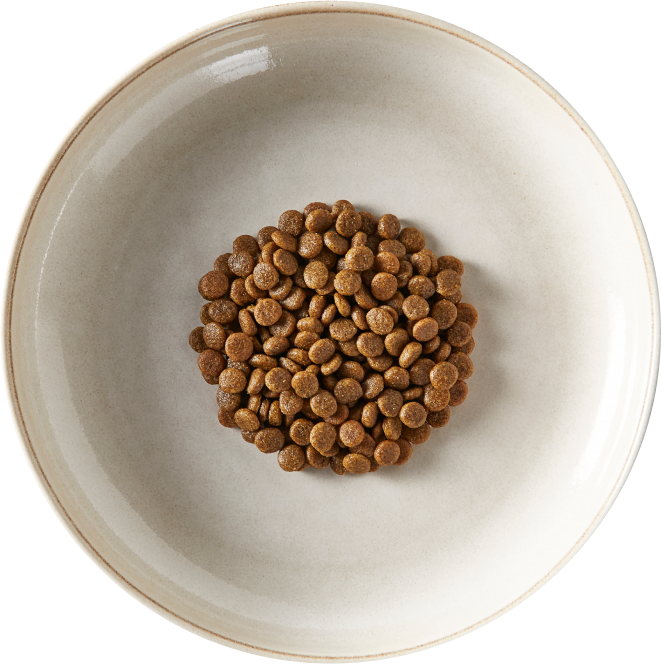
Wet food typically contains 70-80% moisture, which helps keep cats hydrated and supports skin elasticity. Dry food contains only about 10% moisture. For cats prone to dry skin, incorporating wet food into their diet can provide additional hydration that benefits skin health from the inside out.
Common Causes of Dry Skin in Cats
- Poor nutrition. A low-quality diet means your cat is not getting all the essential nutrients they require for soft, supple skin and a shiny coat. Nutritional deficiency is one of the most common causes of dry skin on cats, but it’s one that can be easily rectified with a carefully managed, well thought out diet full of proteins, fats, vitamins and minerals. Artificial flavorings and additives can also trigger reactions like dry and itchy skin, so it’s best to serve up recipes made from tasty natural ingredients. Any changes to a cat’s diet should be made gradual in order to give them time to adapt.
- Overall hygiene. For a cat’s skin to remain healthy, soft and smooth, regular grooming is a must. Most cats will take care of this naturally, however conditions like obesity and arthritis can make it difficult for them to perform this necessary self-care. If you do feel the need to begin bathing your cat, don’t overdo it. Too much bathing can lead to dry skin itself as well as cause your feline unnecessary stress. Overgrooming poses a similar problem. Stress and anxiety can cause some cats to start excessively licking themselves, resulting in dry, flaky skin.
- Weather. Changes in the weather can wreak havoc with a pet’s skin. As the temperature outside begins to drop, the heating inside gets turned on. With less moisture in the air, your cat’s skin can soon start to lose its elasticity. Humidifiers are a good way of counteracting this. Dry air outside or prolonged exposure to sun can also cause problems. Make sure your cat isn’t exposed to extreme temperatures for any lengthy period of time. Dried out skin can easily be a precursor to heatstroke. Always ensure fresh water is readily available.
- Parasites. Fleas, worms, lice and ticks are no friends to cats. Even a few small bites can lead to dry, flaky skin, while an infestation can cause excessive scratching which in turn may contribute to larger, drier patches and quite a bit of soreness. If you’re struggling to get an infestation under control through home treatments like shampoos and ointments, contact your vet. Don’t leave it too long though as infections can quickly develop. Once you eliminate the troublesome irritant, your feline’s skin should return to normal fairly quickly.
- Medical conditions. While on the surface dry skin may seem like a minor ailment, it can often be a red flag alerting you to any number of medical conditions. Diabetes, hyperthyroidism, heart condition, kidney and liver disease; the list is substantial, and potentially very severe. Dry skin tends to be an early indicator, so keep an eye out for other symptoms. Older cats are particularly susceptible to these diseases. If you believe your cat may be suffering from an underlying medical condition, contact your vet immediately.
Can a Poor Diet Cause My Cat to Have Dry Skin?
Yes, a poor diet is one of the most common causes of dry skin in cats. Pet parents should never underestimate the importance of a high-quality diet.
A cat’s overall physical and mental well-being depends on healthy, well-rounded nutritional intake. This is because proteins, fats, vitamins, minerals – that mouthwatering menu of essential nutrients – all play a huge role in promoting healthy skin and shiny coats.
Certain additives, flavorings and preservatives can trigger adverse skin reactions in cats. Truly limited ingredient cat food that is 100% natural and grain-free can help minimize the risk of adverse reactions.
If you have any questions about changing your cat’s diet or you’re worried about introducing new ingredients, speak to a vet who should be able to alleviate any concerns.
When to See a Vet
Contact your veterinarian if your cat shows any of these warning signs:
- Persistent scratching that doesn’t improve with dietary changes
- Hair loss or bald patches
- Open sores or wounds on the skin
- Signs of infection (redness, swelling, discharge, or odor)
- Dry skin accompanied by lethargy, weight loss, or changes in appetite
- Symptoms that persist for more than two weeks despite home care
Recommended Products
At Reveal we focus on recipes that contain real animal proteins, omega-6 fatty acids (vital for protecting the skin’s water barrier), and delicious taste.
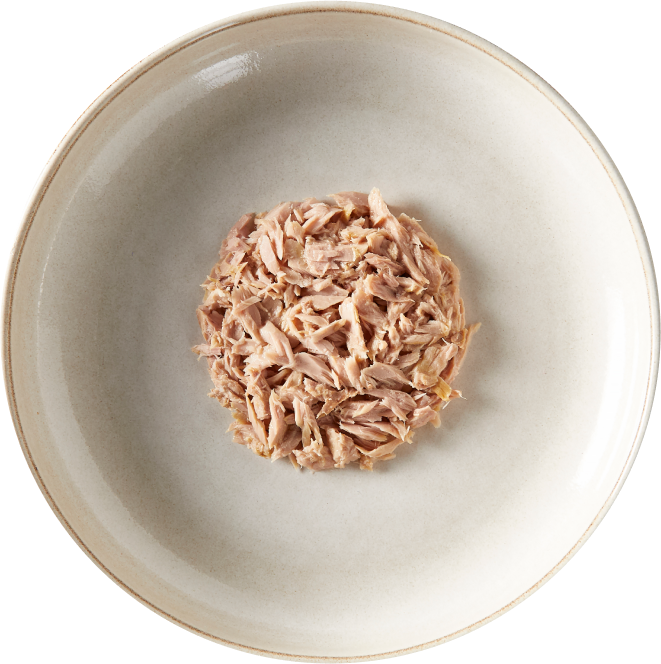
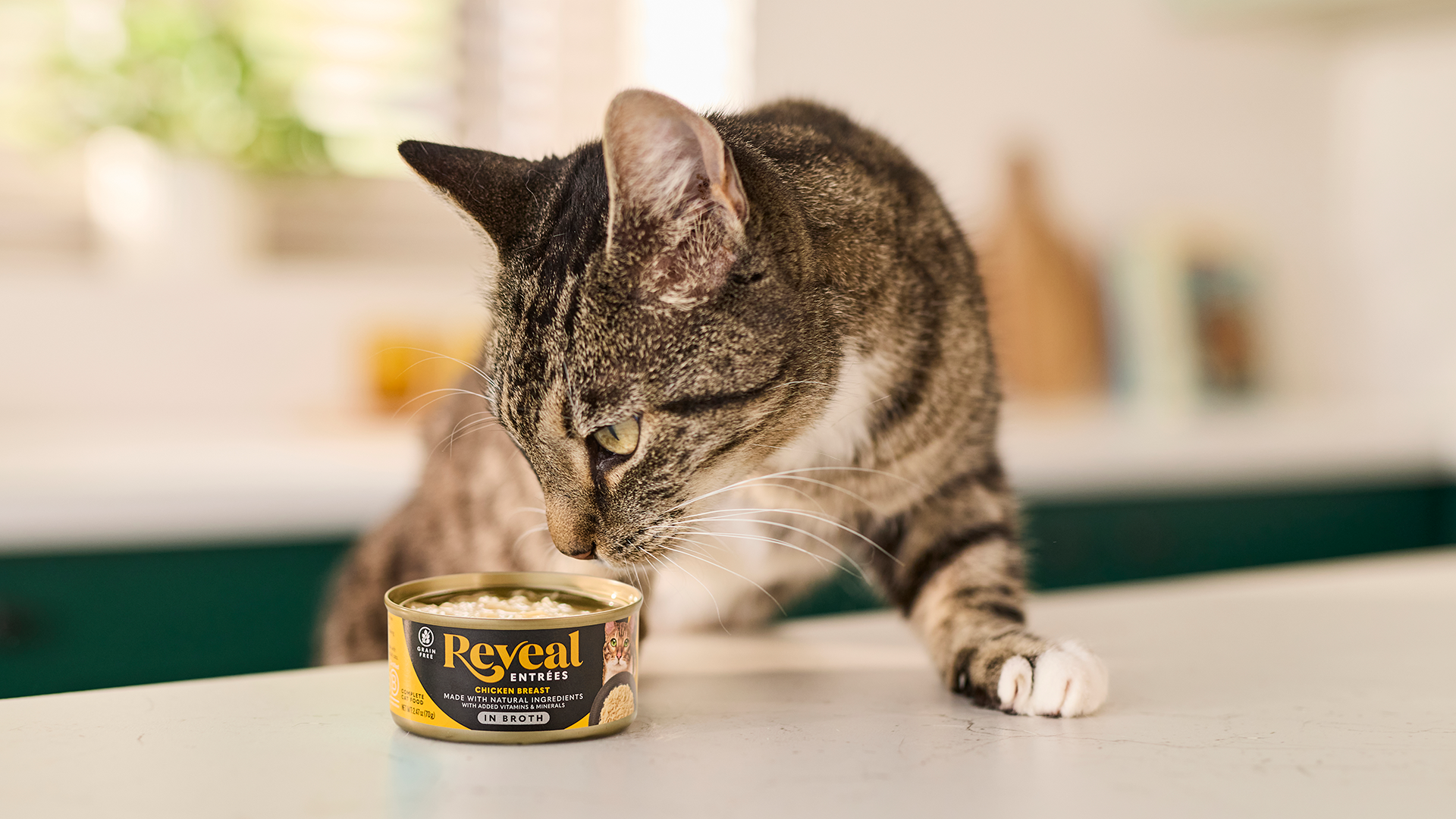
Reveal’s Chicken Breast In Broth, along with our Tuna Fillet With Salmon In Gravy are made with real animal protein, contain no artificial flavorings or additives, and are rich in omega-6 fatty acids.
Additional options include our Tuna with Shrimp in Broth and Chicken Breast in Gravy.
Key Takeaways
Know when to seek help: Persistent symptoms, hair loss, or signs of infection warrant a veterinary visit.
Diet is crucial: Poor nutrition is one of the most common — and most easily correctable — causes of dry skin in cats.
Focus on key nutrients: Look for foods rich in omega-3 and omega-6 fatty acids, quality protein, and vitamins A and E.
Hydration matters: Wet food provides additional moisture that supports skin health from the inside out.
Avoid artificial additives: Natural, limited-ingredient foods reduce the risk of skin reactions.