



7 Proven Ways to Make Your Cat Feel Safe and Secure at Home
Author: Reveal Pet Food
Date: July 10, 2026
Making your cat feel safe at home starts with understanding their need for predictability and control. The most effective strategies include maintaining a consistent daily routine, providing dedicated safe spaces, and introducing changes gradually. These approaches work with your cat’s natural territorial instincts to create a secure environment where they can thrive.
What is cat security? In behavioral terms, cat security refers to a feline’s sense of safety within their territory. Cats are naturally territorial animals with heightened environmental sensitivity — they rely on familiar scents, predictable routines, and controlled spaces to feel comfortable. When these elements are disrupted, cats can experience stress and anxiety.
Home is where we feel most at peace. It is the place where we go to relax with family, where we often feel our happiest. As our pets are an important part of the family, it is also the place they should feel their most secure and safe.
For a number of reasons, that isn’t always the case.
They may be having difficulty adjusting to a new home or the layout of an existing property following a re-model. They may be experiencing stress due to a change in their, or your, routine, or have become unsettled following the introduction of a new pet (especially if you have an older cat).
Here are a few tips on how to make your cat feel safe at home.
Ways to make your cat feel safe at home
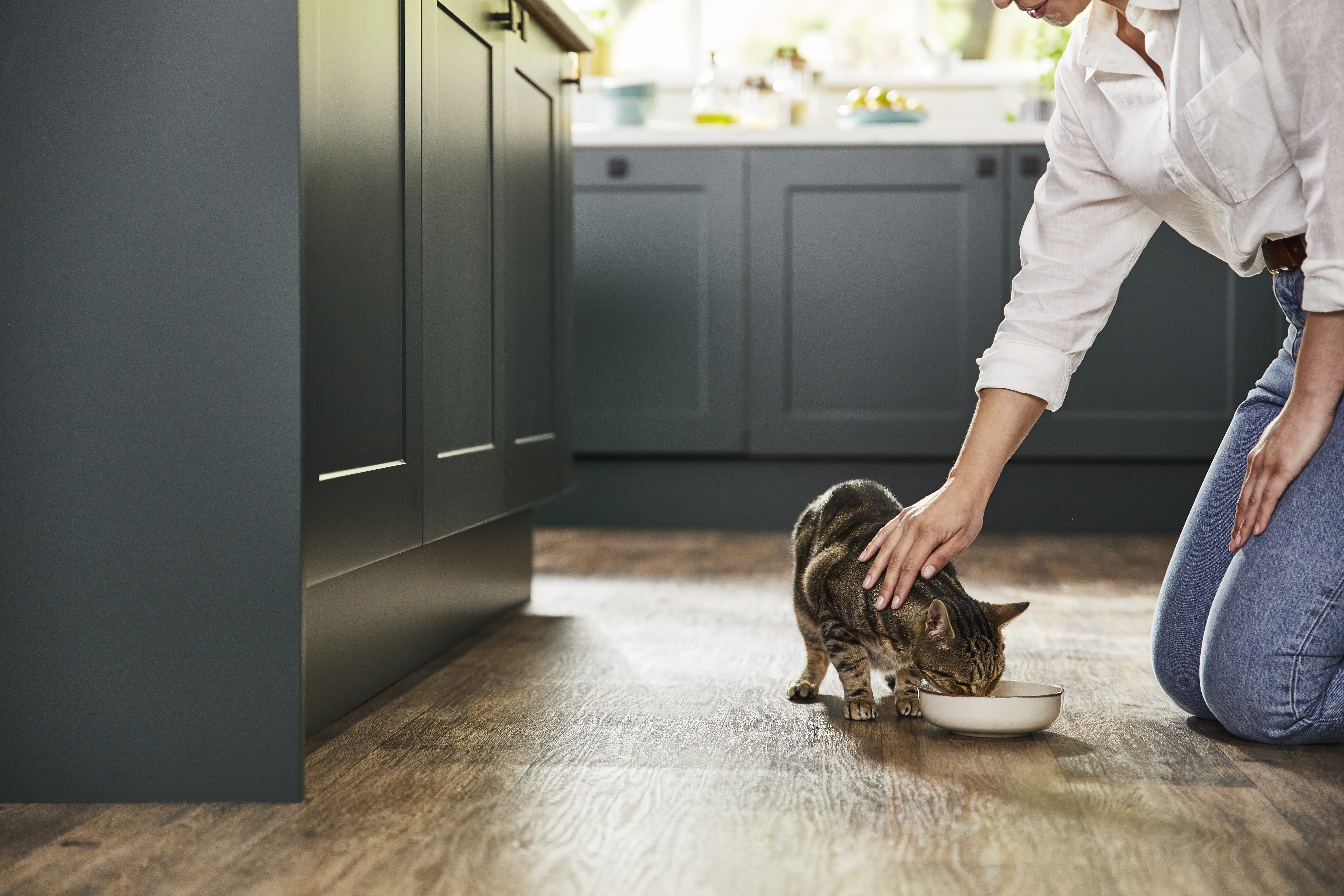
- Maintain a consistent daily routine. Few things please a cat more than routine. Feed them, play with them, and let them out at the same time every day when possible. Be aware of your own routine, too — some cats will become stressed even if you’re an hour late home from work.
- Provide their own dedicated space. Loud visitors, building work, or a new baby could leave an already nervous cat feeling anxious. Providing them with their own safe space — a room to themselves or a den behind furniture — ensures they have somewhere to retreat when things get overwhelming.
- Always remain calm around your cat. Cats often pick up on a pet parent’s emotional state, which can have an effect on their own mood. Avoid venting stress in front of your pets, and never shout at your cat, no matter how frustrating their behavior might be.
- Introduce new things slowly. If you’re welcoming a new pet or changing furniture around, make it a gradual process. Give them time to get used to any changes, and ensure their safe space is prepared beforehand.
- Use calming pheromone products. Pheromones that mimic your cat’s natural scent can have a calming effect during stressful situations like moving house. Diffusers, sprays, and wipes can all help make your cat feel more at ease.
- Provide plenty of physical and mental stimulation. Happy cats feel safe and loved. Regular play sessions of 10 – 15 minutes, twice daily, keep stress levels down and fitness levels up. Use interactive toys and games to encourage engagement.
- Ensure easy access to litter boxes. Some cats don’t like sharing, so provide multiple litter boxes where your cat won’t be disturbed. Placing several around your home gives felines an increased sense of comfort. Consider doing the same with food and water bowls.
Frequently Asked Questions
How long does it take for a cat to feel safe in a new home? Most cats take 1 – 2 weeks to adjust to a new environment, though some may need up to a month or longer. Shy or anxious cats may require several months to feel fully comfortable. Providing consistent routines and safe spaces can speed up this process.
What are signs a cat feels unsafe? Common signs include hiding excessively, loss of appetite, excessive grooming, aggression, urinating outside the litter box, and increased vocalization. A cat that feels unsafe may also become unusually clingy or, conversely, avoid interaction entirely.
Can I help my cat feel safe during loud events like fireworks? Yes — create a quiet, enclosed space away from windows, use calming pheromone diffusers, and maintain your own calm demeanor. Playing soft background music can also help mask sudden loud noises.
Key Takeaways
- Routine is essential: Feed, play, and maintain consistent schedules daily.
- Safe spaces matter: Provide quiet retreats where your cat can escape stress.
- Stay calm: Your emotional state directly affects your cat’s sense of security.
- Go slow with changes: Introduce new pets, people, or furniture gradually.
- Use pheromones: Calming products can ease transitions and reduce anxiety.
- Stimulate body and mind: Regular play keeps cats happy and secure.
- Multiple resources: Provide several litter boxes and feeding stations.
Keeping your cat healthy with Reveal
Reveal takes great pride in helping pet parents keep their cats happy and healthy.
While predictable mealtimes will certainly make a cat feel safe and secure, one of the best ways to show a feline love is through a complete and well-balanced diet that has a focus on flavor.
The grain-free recipes we create are designed to do just that.
Recipes like our Sardine With Mackerel In Broth, Chicken Breast With Duck In Broth and Tuna With Seaweed In Broth are all made with responsibly sourced protein and come with no artificial flavors or additives.
We know food, and we love food, but we understand it is only one ingredient in a healthy cat life.
That is why we also post articles, like this one, aimed at arming pet parents with as much pet well-being knowledge as possible.
Naturally, nutrition is something we cover extensively – Dietary Advice For Senior Cats – What You Need To Know and How to Switch to a Limited Ingredient Diet.
However, we also touch on a variety of topics including: House Training A Cat: What Not To Do, Signs Your Cat May Have High Blood Pressure and The Signs Your Cat Has Separation Anxiety (And What To Do About It).
Nothing is more important to us than the physical and mental well-being of your cats, and we hope these help.