

How to Switch Your Cat to a Limited Ingredient Diet: Step-by-Step Guide
Author: Reveal Pet Food
Date: August 13, 2026

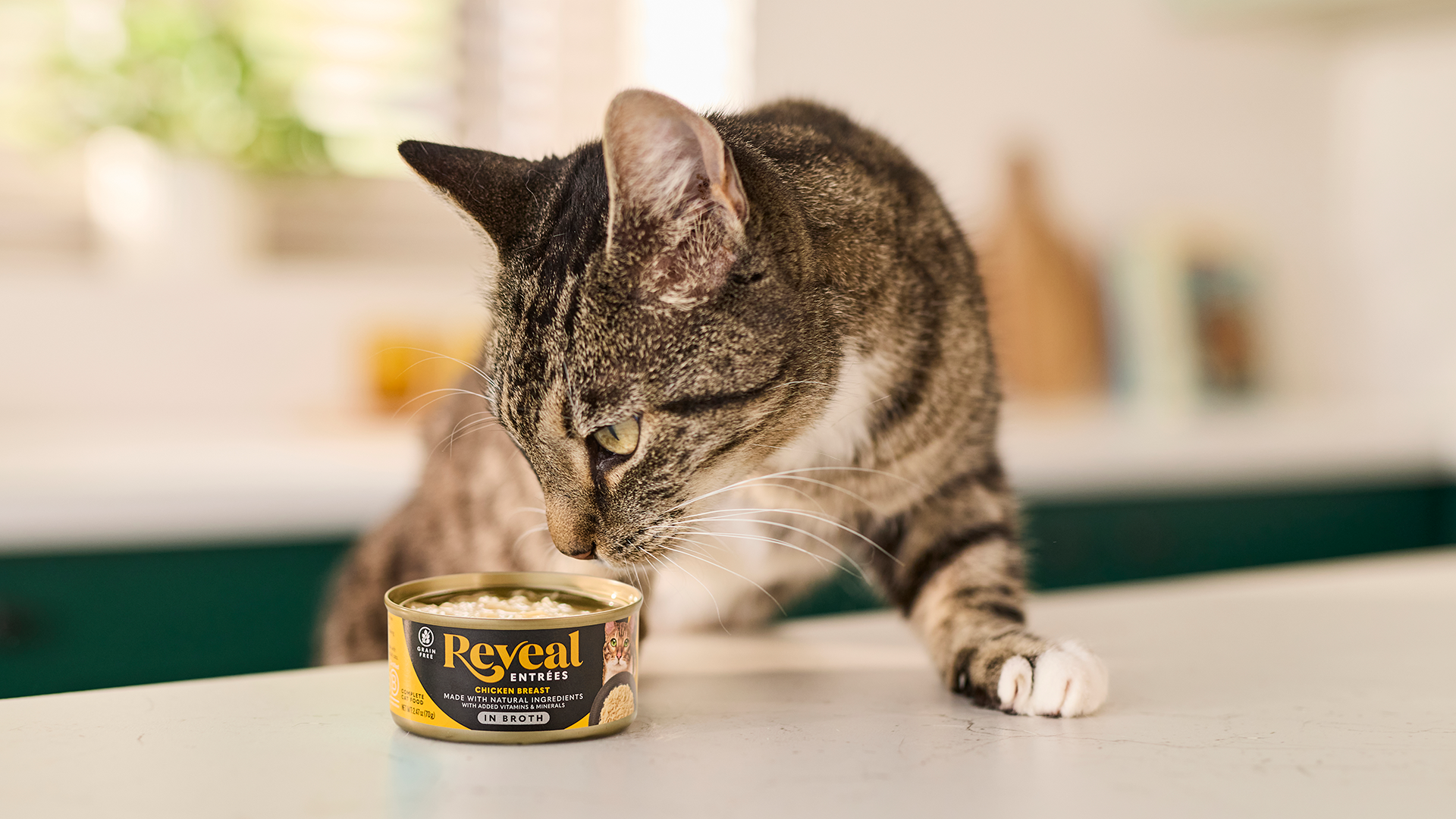
There are many benefits to placing your cat on a limited ingredient diet. Restricting the number of ingredients in your cat’s food means that each dish is packed with quality protein, vitamins and minerals – all of which can be easily traced back to the source for complete peace of mind. But how do you make the switch from a regular diet to a limited ingredient diet?
Key Takeaways
- What it is: Limited ingredient cat food contains a single protein source, single carbohydrate source, and minimal additives to reduce allergen exposure
- Why switch: Supports sensitive stomachs, promotes gut health, and helps identify food intolerances
- Transition timeline: Plan for 7-14 days to fully transition your cat to the new diet
- What to watch for: Monitor for vomiting, diarrhea, or food refusal during the switch
What is limited ingredient cat food?
Limited ingredient cat food is a diet formulated with a single protein source, a single carbohydrate source, and minimal additives. It’s specifically designed to reduce allergen exposure and make it easier to identify food sensitivities. This type of diet is preferred by many cat owners because of its high protein content, natural blend of minerals and its suitability for a number of food intolerances.
Common protein sources include:
- Chicken
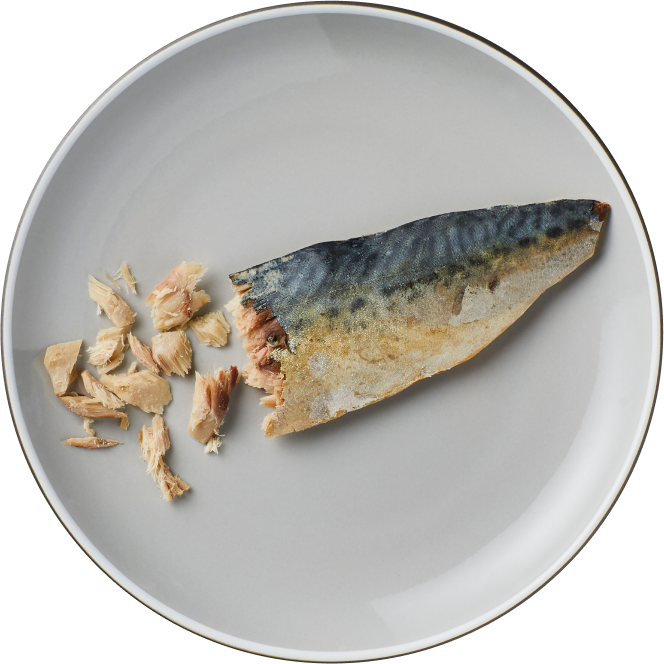
- Salmon
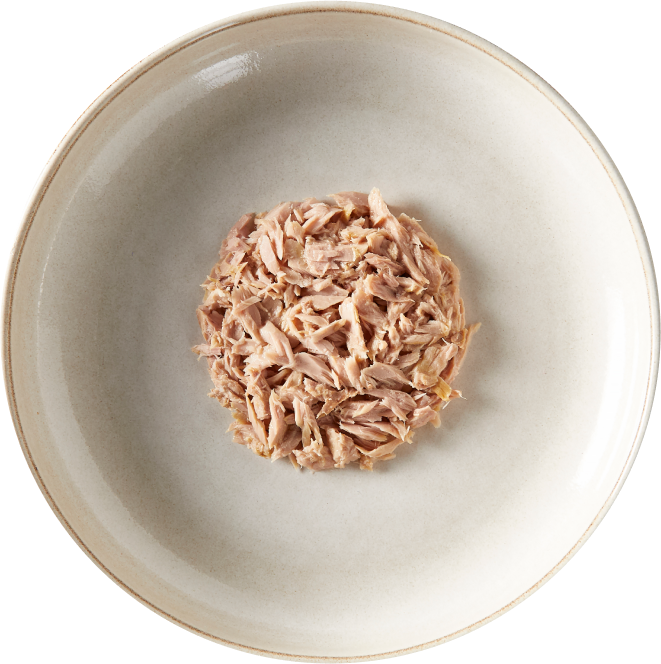
- Tuna
Common carbohydrate sources include:
- Potato
- Peas
- Brown rice (though not ideal for cats with sensitivities)
These carefully crafted recipes are intended to support gut health, minimize exposure to food that may cause intolerances and improve overall wellbeing – providing everything your cat needs for a well-balanced, healthy lifestyle. For cats with specific health concerns, you should check with your vet.
Food Intolerance vs. Food Allergy in Cats
It’s important to understand the difference: a food intolerance is a digestive issue where your cat’s system has difficulty processing certain ingredients, often causing stomach upset or irregular bowel movements. A food allergy is an immune system response that can cause skin irritation, itching, or gastrointestinal symptoms. Limited ingredient diets can help manage both conditions by reducing exposure to potential triggers.
How to transition cats onto a limited ingredient diet
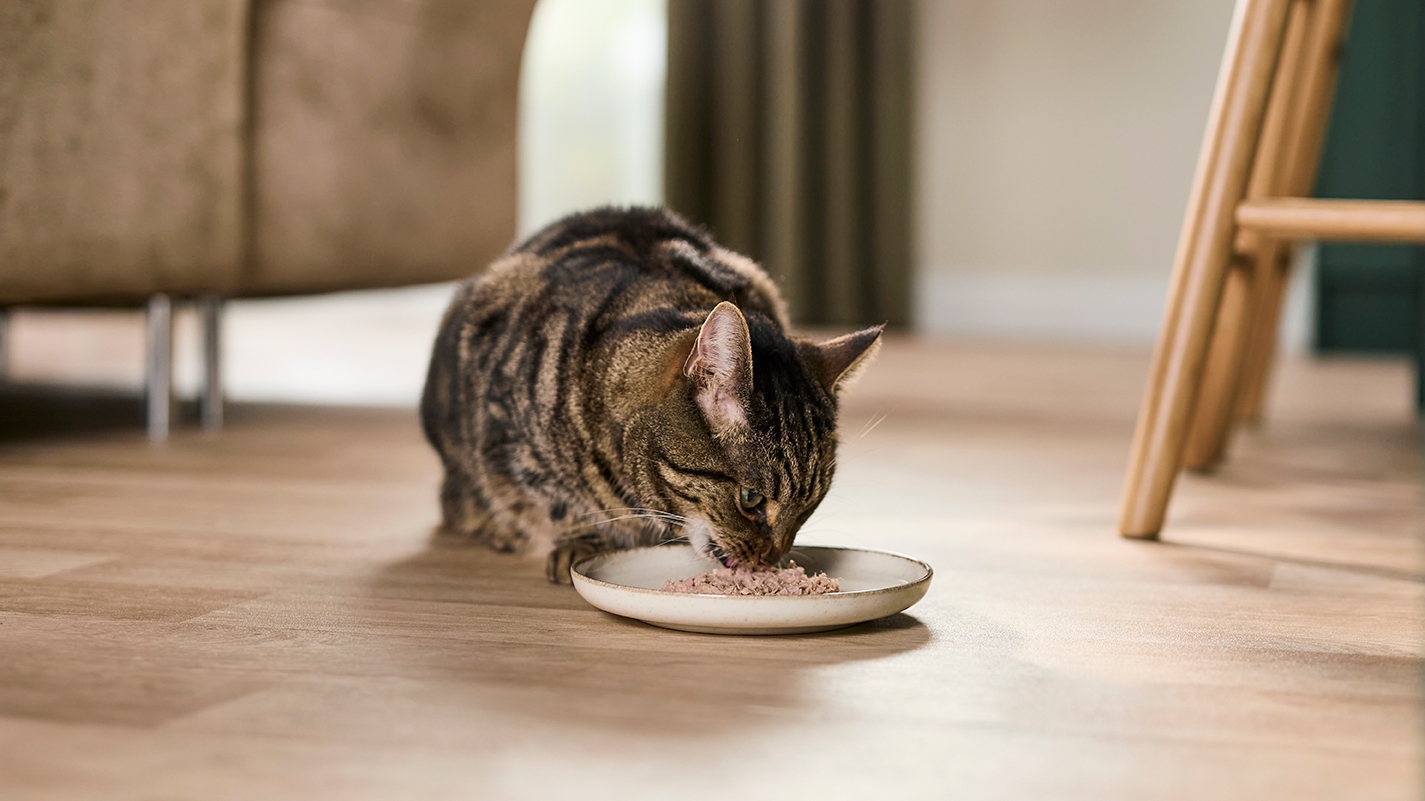
Changing your cat’s diet should be done gradually over 7-14 days, as any sudden change could upset their stomach.
7-Day Transition Schedule
- Days 1-2: 75% old food / 25% new limited ingredient food
- Days 3-4: 50% old food / 50% new limited ingredient food
- Days 5-6: 25% old food / 75% new limited ingredient food
- Day 7 onward: 100% new limited ingredient food
Tips for a successful transition:
- Choose a protein source your cat is used to. Chicken is a bland meat and is therefore suited to most dietary requirements
- Gradually increase the amount of limited ingredient cat food in line with the feeding guidelines most suited to your cat
- For particularly sensitive cats, extend the transition to 10-14 days
Warning Signs During Transition
Watch for these symptoms that may indicate the transition isn’t going well:
- Vomiting
- Diarrhea or loose stools
- Complete food refusal for more than 24 hours
- Lethargy or decreased energy
If you notice any of these signs, slow down the transition or consult your veterinarian.
Limited ingredient cat food for sensitive stomachs
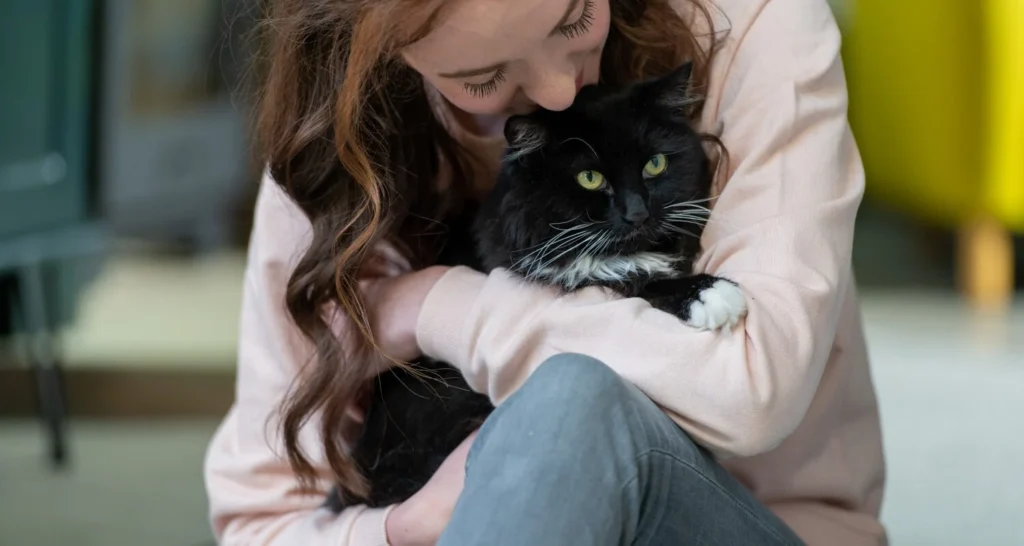
Limited ingredient cat food is ideal for sensitive stomachs. It decreases exposure to foods that your cat may otherwise be intolerant to, such as grains or particularly rich meats. Switching to a limited ingredient diet is an easy way to monitor what foods your cat is eating, and to figure out which foods may be more likely to cause a bad reaction.
Benefits for sensitive stomachs include:
- Reduced exposure to potential allergens and irritants
- Support for gut health regulation
- Promotion of regular bowel movements
- Increased moisture in your cat’s diet for improved hydration
Find out more about Reveal limited ingredient cat food, or find your nearest stockist.
Frequently Asked Questions
How long does it take to transition a cat to new food? Most cats can fully transition to a limited ingredient diet in 7 days. Cats with sensitive stomachs may need a slower transition period of up to two weeks.
What if my cat refuses the new food? Try mixing a smaller amount of new food with their current diet, or slightly warm the food to enhance its aroma. If refusal continues beyond 24 hours, consult your veterinarian.
Can I switch my cat’s food immediately? Sudden diet changes can cause digestive upset. A gradual transition over 7-14 days is recommended to allow your cat’s digestive system to adjust.