

The importance of cat nutrition for keeping a shiny coat
Author: Reveal Pet Food
Date: February 3, 2026
Quick Answer: A dull coat in cats is most commonly caused by poor nutrition, inadequate grooming, stress, or underlying medical conditions. To keep your cat’s coat shiny, focus on a diet rich in high-quality protein, omega-3 and omega-6 fatty acids, and essential vitamins and minerals.
A cat’s outer furry shell protects them from the elements and is one of the ways they “feel” what’s going on around them.
It’s also a reflection of their overall health.
Cat coat nutrition refers to the specific balance of proteins, omega fatty acids, vitamins, and minerals that support healthy, shiny fur. If your cat isn’t looking their best, then there’s a good chance they’re probably not feeling their best either.
One of the main reasons behind a poor-quality coat is actually a poor-quality diet.
Nutrition plays a huge role in the condition of a cat’s coat with body-boosting nutrients like proteins, fats, vitamins and minerals all working together to give your cat that catwalk look.
This article will look a bit more in depth at why that is while exploring what else may cause a dull or dry coat.
Healthy Coat vs. Unhealthy Coat: Signs to Look For
| Healthy Coat | Unhealthy Coat |
|---|---|
| Smooth and soft to touch | Rough or coarse texture |
| Shiny and lustrous | Dull and lackluster |
| No excessive shedding | Excessive hair loss |
| Clean and well-groomed | Matted or tangled fur |
| Supple, flake-free skin | Flaky, dry, or greasy skin |
Common reasons why your cat’s coat isn’t as shiny as it could be
- Diet & Nutrition. Diet doesn’t just have a positive impact on how a cat feels on the inside, but how they look on the outside, too. A cat eating foods lacking in essential nutrients overtime will have a less shiny coat. You may even begin to see it change color as the fur matts and becomes more brittle. Nourishing foods containing high-quality animal proteins and packed full of whole goodness are key.
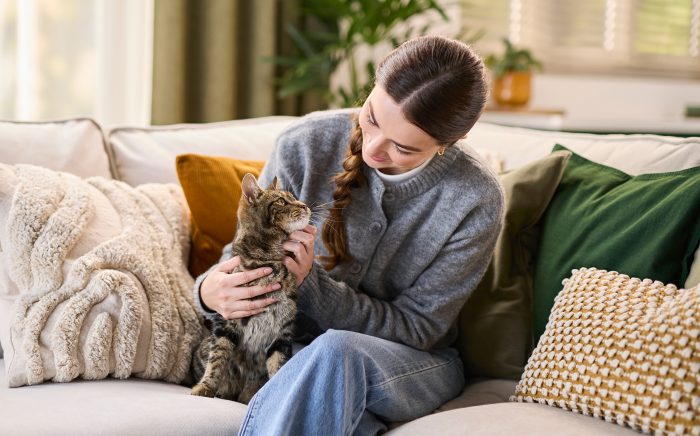
- Grooming. Cats generally take care of their own fur by self-grooming by using their tongues and paws to spread natural oils around their coat. They spend a large part of their waking hours grooming, which is why their coats remain in such pristine condition. However, some cats are better groomers than others, so it’s up to pet parents to offer a helping hand when needed. Giving them a regular brush will remove knots, dead hair and dirt. Short-haired cats typically benefit from brushing once or twice per week, while long-haired breeds may need daily grooming. If your cat isn’t grooming as much as usual then it could be a sign of an underlying medical issue. If this is the case, check for other symptoms and seek medical advice.
- Age. Cats may become more vulnerable to duller or matted coats as they age. This is because the older a cat gets, the tougher grooming can become. Lack of flexibility or conditions like arthritis can turn this once straightforward activity into a much more painful experience. Restricted twisting and turning also means there’s a good chance they may not even be able to reach parts of their body they once could. If you’ve noticed patches of your senior cat’s coat starting to look a bit matted, use a brush to help them keep on top of these hard-to-reach grooming spots.
- Bathing your cat too often. There’s nothing wrong with keeping on top of your feline friend’s hygiene. However, you need to be wary you’re not overdoing it. Bathing your cat too frequently can actually do more harm than good in some cases. Too many cat baths may strip away essential oils that help keep your cat’s coat shiny. The occasional soak is fine, especially if your cat has managed to find themselves covered in dirt. But, in a lot of cat’s cases, regular bathing isn’t really a necessity with frequent brushing enough to maintain a coat’s sheen.
- Does your cat weigh too much? Overweight cats can find it tricky reaching certain parts of their body, so the onus falls on pet parents to keep on top of grooming while they’re slimming down. Too much weight brings with it a host of potential heath issues. Ensure you’re feeding your cat a diet that’s complete and nourishing, with a focus on helping them shed those extra pounds. Work on increasing their activity levels through exercise and playtime, too. Overweight cats can be lazy, and lazy cats aren’t big fans of grooming either.
- Stress and Anxiety. Cats will sometimes start excessively licking themselves in order to relieve anxiety. This form of over-grooming can actually lead to a cat’s coat losing its shine. Regularly check their legs and stomach for bald patches as these are the areas they will tend to concentrate on. Stress can also lead to some cats refusing to groom altogether, so it’s important we get to the bottom of whatever’s worrying them as soon as possible. While it can be notoriously difficult identifying pet stressors, spending quality time with them is a good place to start.
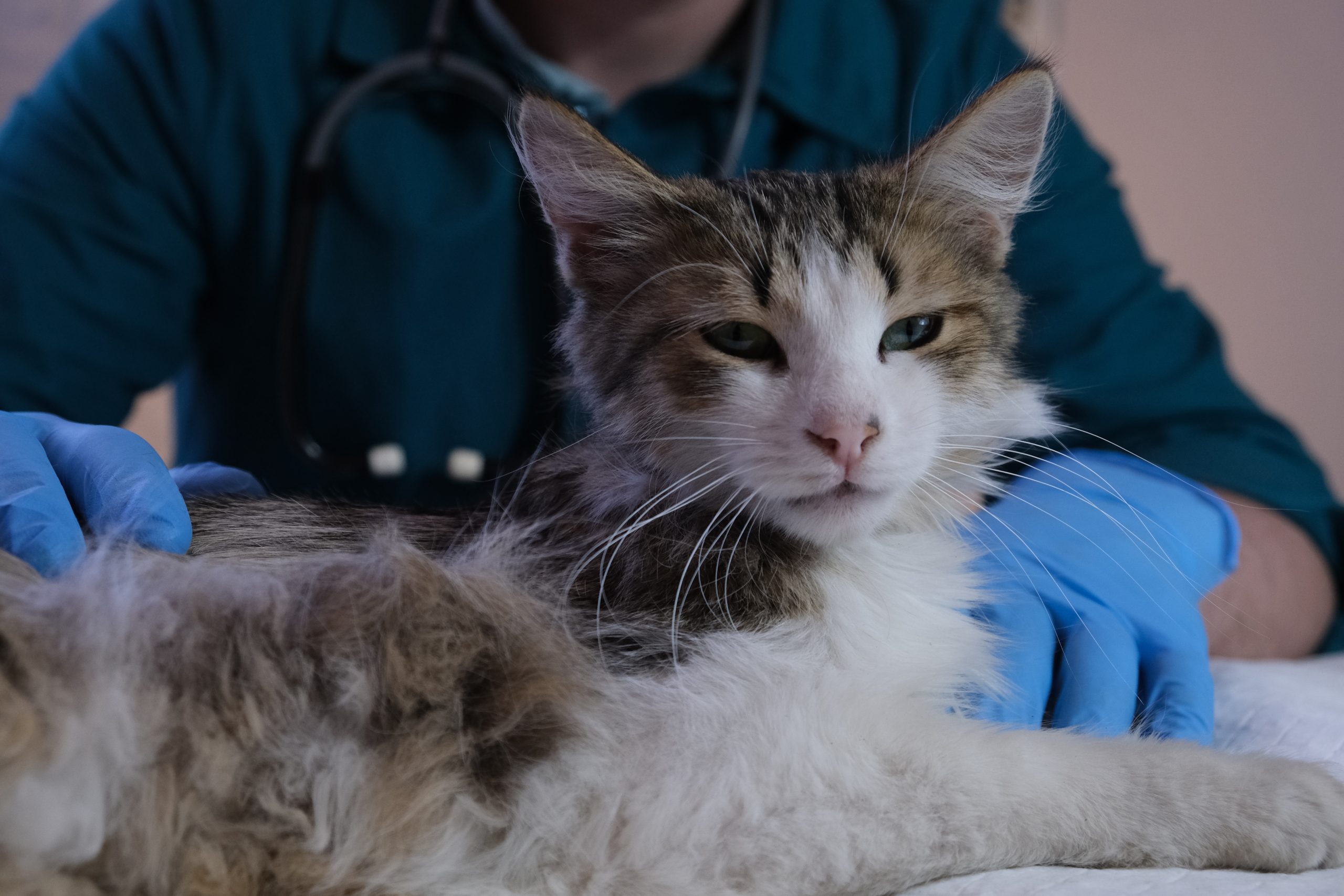
- Medical Conditions. Your cat won’t tell you when they’re feeling under the weather, but they are constantly dropping clues as to their general health and wellbeing. A poor-quality coat is one such sign and could be symptomatic of an underlying medical condition. According to veterinary experts, allergies, parasites, infection, diabetes, kidney or liver disease, and thyroid issues can all affect the state of a cat’s coat. If you do think the reason for your feline’s lackluster coat is medical, then you should take them to a vet for a thorough physical exam.
Essential Nutrients for a Shiny Cat Coat
The following nutrients are essential for maintaining a healthy, shiny coat:
- Protein: Cat hair is composed of approximately 95% protein (primarily keratin), making high-quality animal protein essential for strong, vibrant fur.
- Omega-3 Fatty Acids: Found in fish oils, omega-3s reduce inflammation and promote a glossy, healthy coat while supporting skin health.
- Omega-6 Fatty Acids: Work alongside omega-3s to maintain skin barrier function and coat texture; an ideal dietary ratio of omega-6 to omega-3 is between 5:1 and 10:1.
- Vitamins (A, E, Biotin): Support skin cell regeneration, protect against oxidative damage, and help maintain coat color and shine.
- Minerals (Zinc, Copper): Essential for proper hair growth, pigmentation, and preventing dry, flaky skin.
The Role of Nutrition
It doesn’t matter how old your cat is or what breed they are, nutrition is vital when it comes to a feline’s health, fitness and appearance.
To bring their fur back to life, you will want to look for foods that are rich in protein, contain healthy fats and have a range of vitamins and minerals.
Cats’ hairs are almost entirely composed of proteins, so protein-dense foods are imperative for fur to remain strong and vibrant.
And without regular consumption of healthy fatty acids – like the omega 3 found in fish – coats will likely become dry and dull while skin may begin to take on a greasy look.
The healthier the diet your cat is on, the happier they will be…and not just because of their radiant coat.
High-quality diets comprising wholesome ingredients are vital for a cat’s long-term health.
If you are thinking about switching your cat’s diet to a more healthy one then this handy guide is a great place to start – How To Switch To a Limited Ingredient Diet.
Recommended Products
A large selection of Reveal’s complementary recipes – such as our Tuna Fillet With Salmon In Gravy Can, our Tuna Fillet With Seabream In Broth Can or our Sardine With Mackerel In Broth Pot – are packed with protein and brimming with omegas 3 and 6 to keep your cat healthy and their coat shiny.
The mouth-watering taste is an added bonus.
Frequently Asked Questions
How long does it take for diet to improve a cat’s coat? Most cats will begin to show visible improvements in coat quality within 4 to 6 weeks of switching to a nutrient-rich diet, though full results may take 2 to 3 months as new hair grows in.
What foods are best for a shiny cat coat? Foods high in animal-based protein (such as chicken, fish, or turkey) and rich in omega-3 and omega-6 fatty acids are best for promoting a shiny coat. Fish-based recipes containing salmon, tuna, or sardines are particularly beneficial due to their natural omega content.
Can supplements help my cat’s coat? Yes, omega fatty acid supplements or fish oil can help improve coat condition, but it’s best to consult your veterinarian before adding supplements to ensure proper dosing and to rule out underlying health issues.