
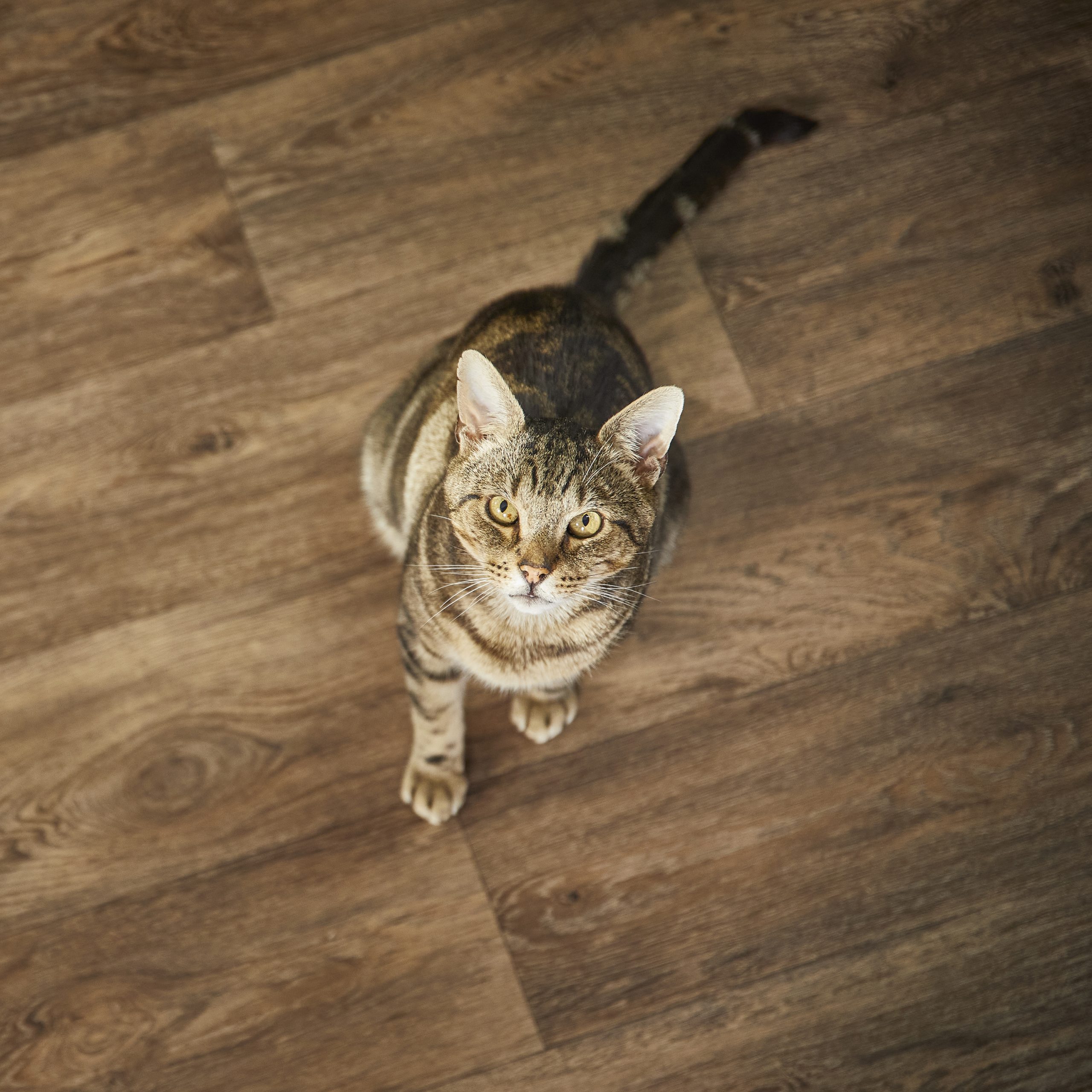

Why is my cat fat & how can I help them lose weight?
Author: Reveal Pet Food
Date: May 21, 2026
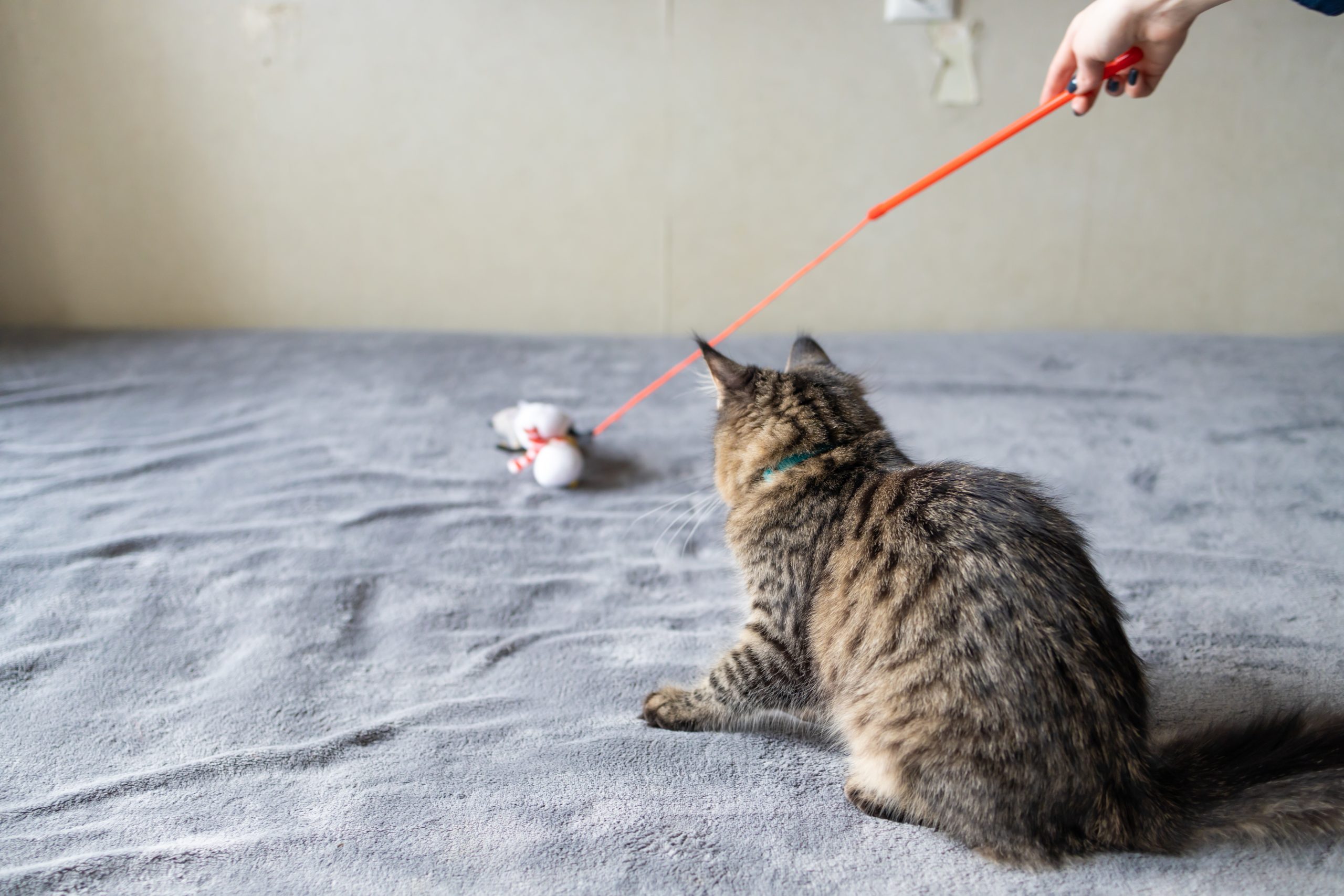
If you’ve ever asked yourself, “why is my cat fat?”, the first thing you should know is that you’re not alone; cat obesity is a growing epidemic. More and more pet-owners are complaining to their local vets about their overweight cats and they’re right to be worried.
Common causes of cat obesity include:
- Overfeeding or free-feeding throughout the day
- Lack of regular exercise and physical activity
- Too many treats or high-calorie snacks
- Sedentary indoor lifestyle without proper stimulation
Cat obesity is directly linked to a range of health problems for overweight cats, such as diabetes and other chronic diseases that all affect the quality of a cat’s life. Fortunately, there are ways that pet owners can help reduce the weight and, in turn, improve their feline friend’s health and wellbeing. These include encouraging exercise and improving their diets with low-fat cat food. Read on to see how best to help your overweight cat!
Why is my cat fat?
The simple reason your cat is fat is that they’re eating more calories than they’re burning off. If your cat is leading a lazy, sedentary lifestyle, they won’t lose any weight. Just like us, the best way for cats to overcome obesity is through dieting and exercise.
Controlling how much and what type of cat food your cat eats will help stop this ever-increasing calorie count. Then, by introducing natural exercise into your cat’s lifestyle, your overweight cat will start to gradually become more active and burn calories quicker. It may sound like an obvious answer, but this winning combination is the most effective way to reduce your cat’s weight.
How to Help Your Cat Lose Weight: Step-by-Step
Of course, while the solution to helping your overweight cat might be a simple one, we know that it’s easier said than done. With a multitude of different resources online giving you different ways to help your cat lose weight, it can be difficult to know which one works best. Here’s what we know works from experience.
Follow these steps to help your cat lose weight safely:
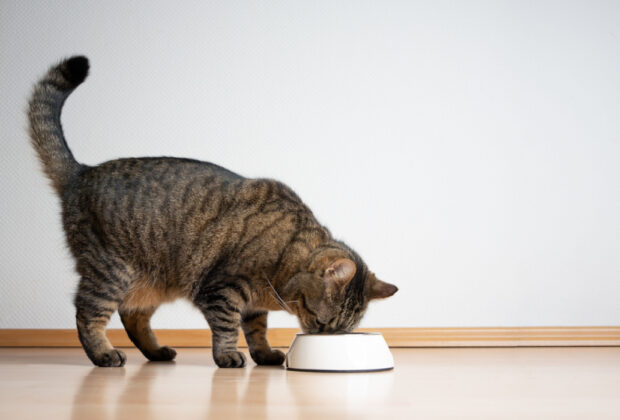
- Control portions strictly – Feed 60-70% of the calories required for your cat’s current body weight. To weigh your cat at home, hold your cat as you stand on a set of scales and subtract your weight from the final figure.
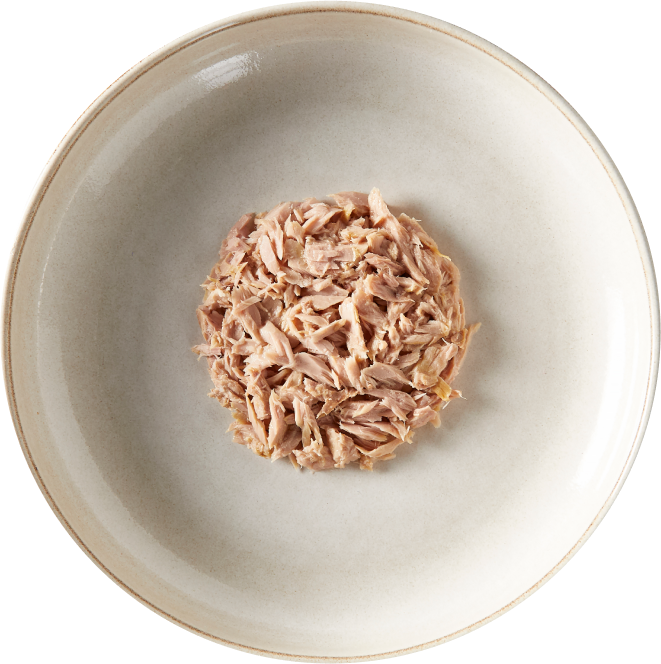
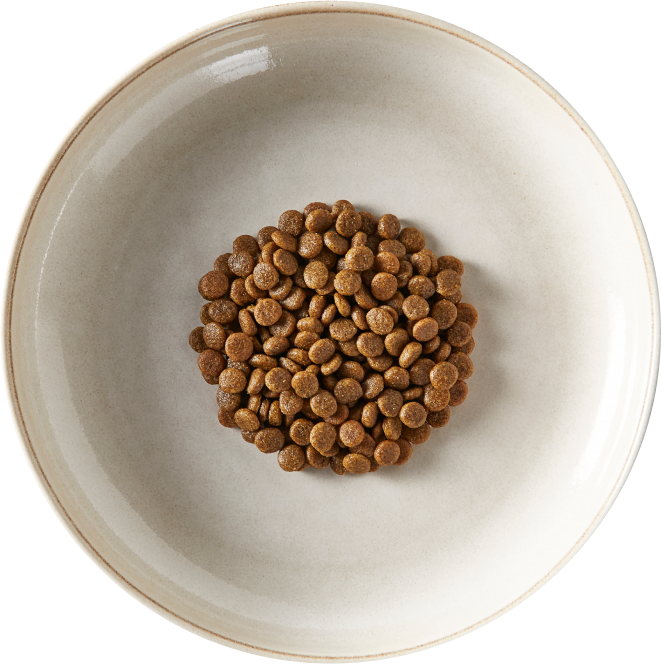
- Switch to high-protein, low-carb wet food – Increase the proportion of wet cat food in your pet’s daily diet, aiming for an even ratio of dry and wet foods.
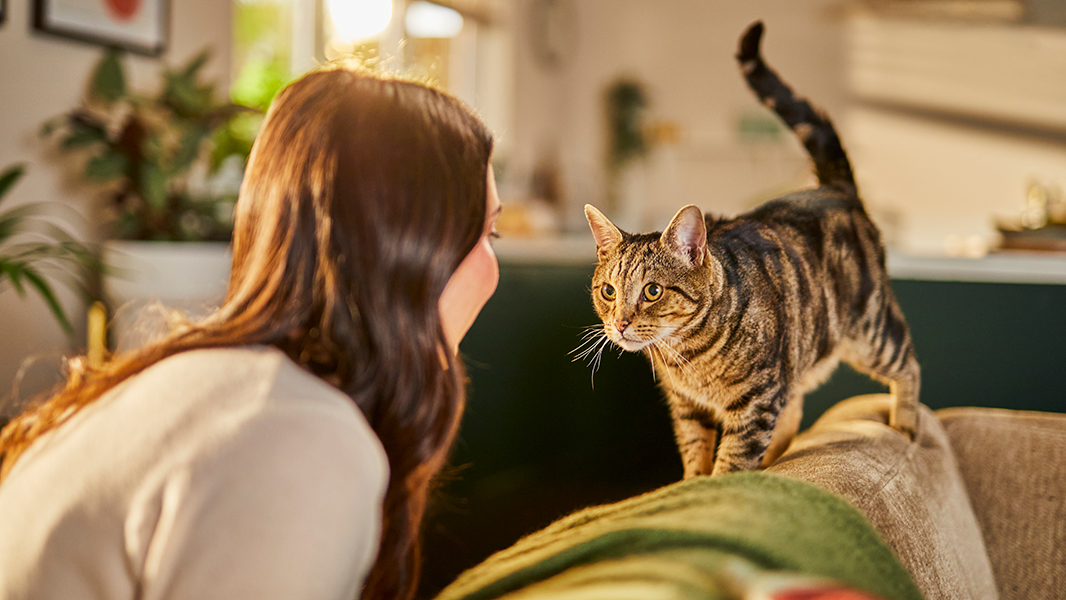
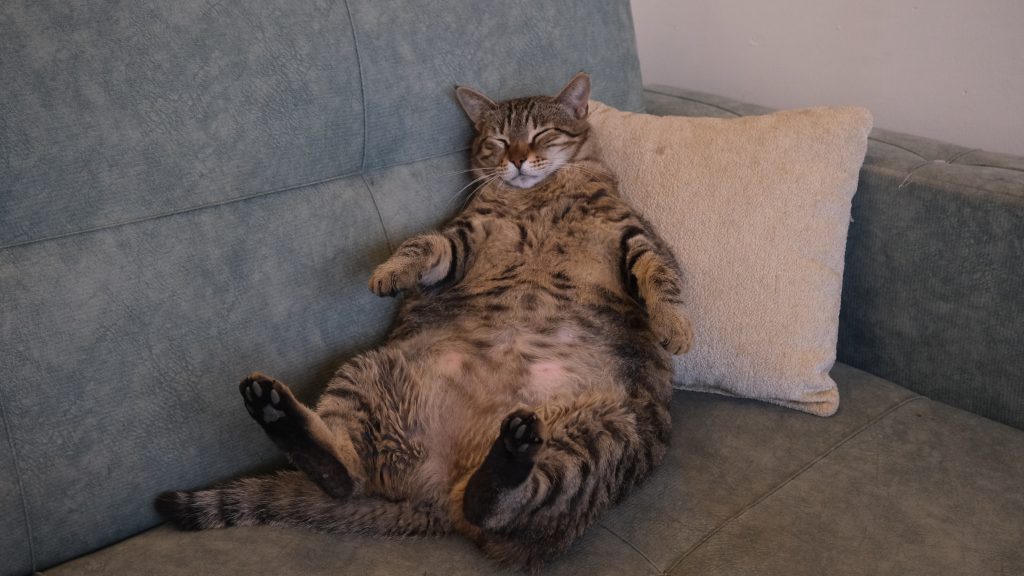
- Make treats a reward for play – When your cat comes looking for a treat, grab their favorite toy and get them to work for their treats to keep them stimulated.
- Engage their hunting instincts – Hide treats around the house for your cat to instinctively hunt for, creating a crafty trail for your cat to follow and explore.
- Increase daily playtime – Use activity-based toys like climbing and scratching frames, or allow outdoor access for indoor cats.
- Feed smaller, more frequent meals – Spread out your cat’s meals so that they eat little and often, allowing you to properly monitor your cat’s weight loss.
While there are certain quick fixes that cat owners can do to help encourage exercise, try to get more creative with your approach.
For example, every cat owner has experienced the begging routine their furry friend likes to play whenever they’re feeling peckish. When begging for treats, they’ll come up to you with a cute little expression, perhaps with a soft meow and paw placed gently for the icing on the cake and you’ll melt every time. We’re not saying you can’t treat your cat. The key, however, is to change up the routine.
Veterinary research indicates that owners with healthy cats play more games with their felines than those with overweight cats. The next time your cat comes looking for a treat, make a game of it. Grab your cat’s favorite toy and get them to work for their treats to keep them stimulated. Cats enjoy playing with toys that look like prey, so they respond well to toy mice or other critters that they might pounce on out in the wild. They also respond better to certain vibrant colours, such as blue, green or yellow, so factor this into your toy selection to find out what engages them the most.
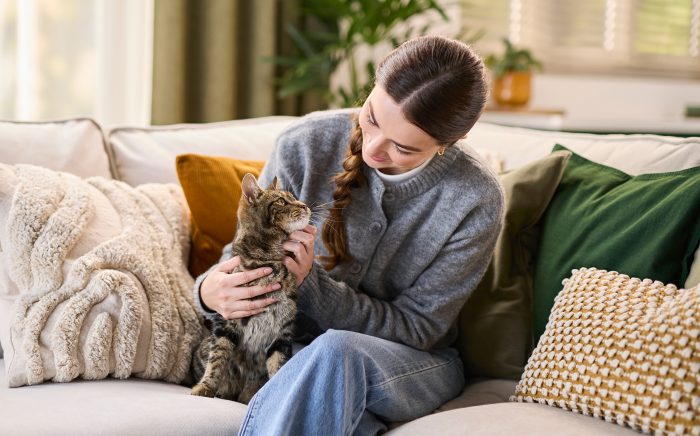
Once you’ve tired them out, reward your cat with just the one treat. They may not like the new change initially, but the repetition of daily playtime will build a new routine and create a deeper bond between you and your cat. Remember the golden rule: play more, treat less.
Another effective method for weight loss is engaging your cat’s natural instinct as a predator. For felines out in the wild, food consumption has always involved physical exertion. As natural hunters, cats have always hunted their prey. It’s only now that they’re domesticated that cats know easier methods of getting food, such as playing on their human owner’s sympathies.
So instead of waiting for your cat to come begging for treats, try hiding them around the house for your cat to instinctively hunt for. By creating a crafty trail for your cat to follow and explore, this exercise will stimulate these mental reflexes, as well as keeping them moving.
Best food for overweight cats
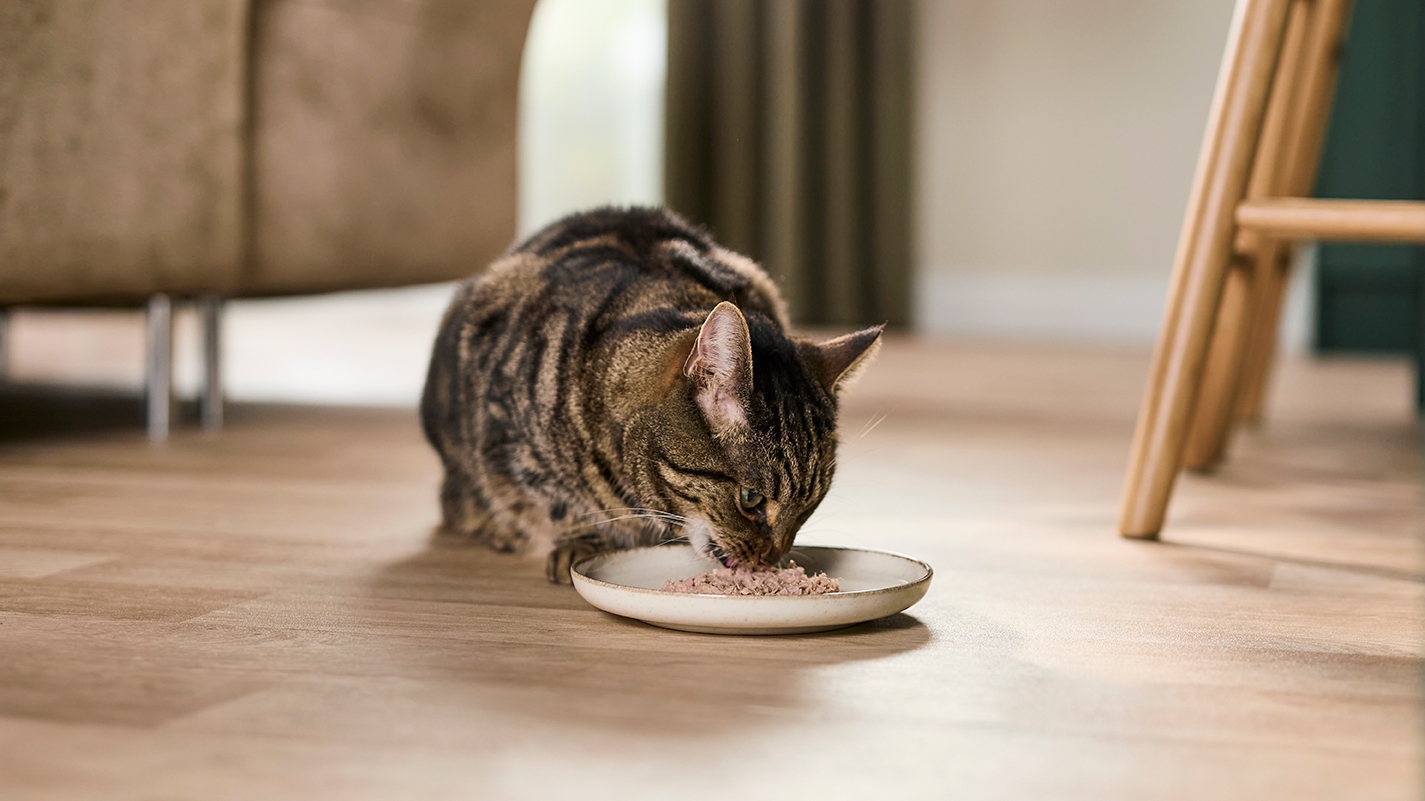
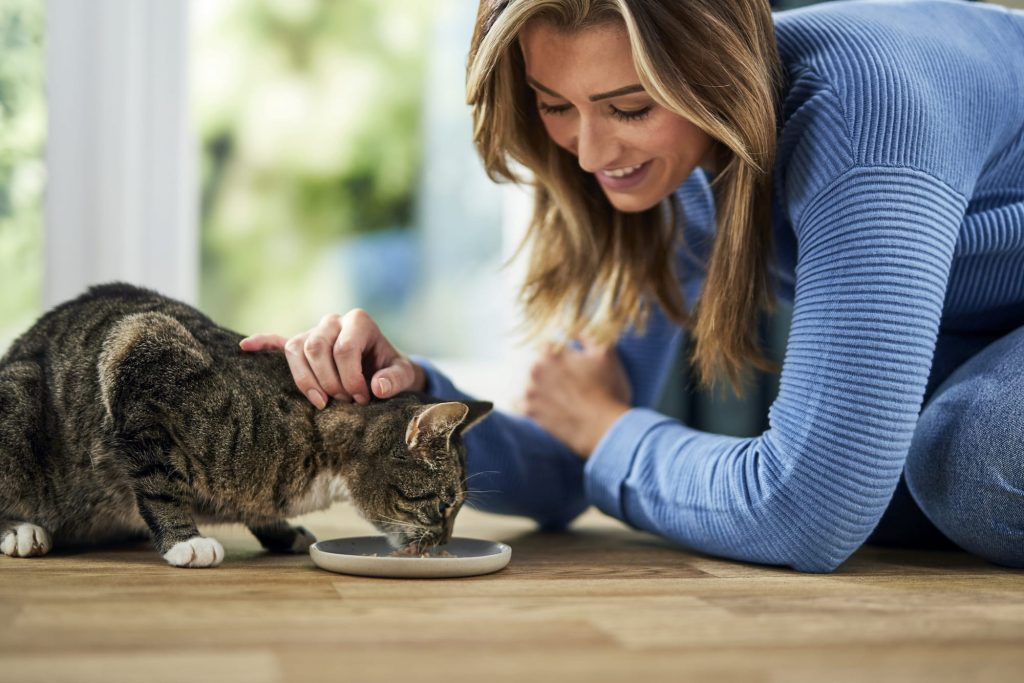
The best food for overweight cats is high-protein, low-carbohydrate wet food. Low-fat canned cat food has the advantages of being high in protein, as well as containing fewer carbohydrates and calories than typical dry cat food. Cats fed only canned, raw foods have experienced substantial weight loss. When it comes to implementing low-fat food into your cat’s diet, we recommend an even ratio of dry and wet foods. This should produce results for overweight cats.
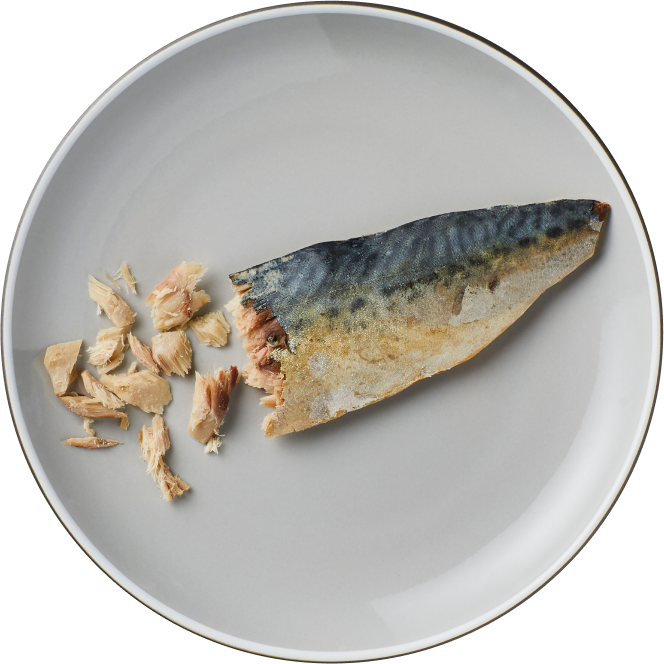
For the best possible weight loss, we advise sticking to a meat-based diet of canned cat foods. As carnivores, cats receive their best nutrients from meat. As such, feeding them highly digestible meats as their main source of protein can help prevent future weight gain. Additionally, you might want to try a ‘less is more’ approach when it comes to feeding time. Spread out your cat’s meals so that they eat little and often. That way, you can keep track of what they are eating and how much, in order to properly monitor your cat’s weight loss.
Low fat cat food from Reveal
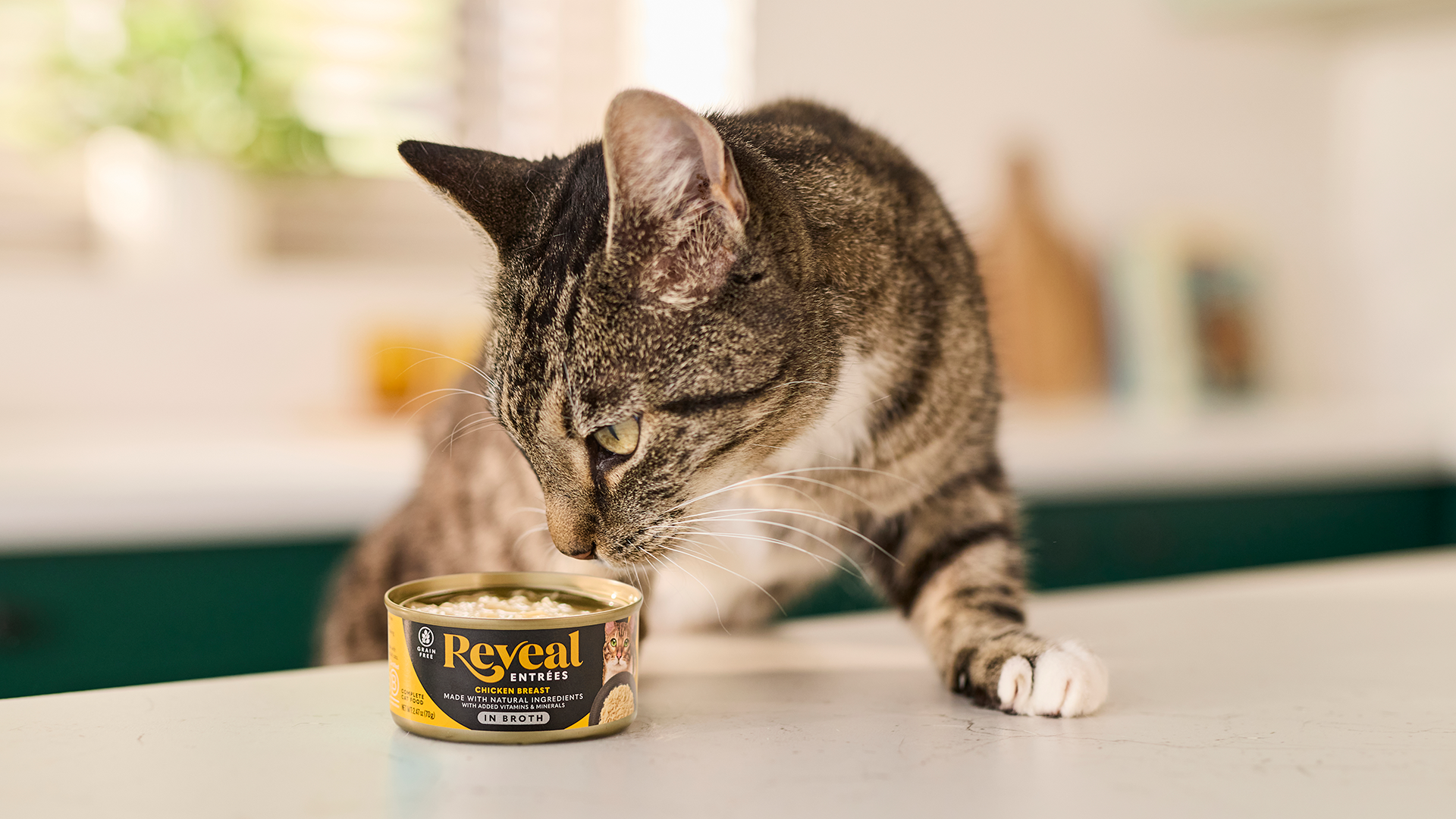
Here at Reveal, we dedicate ourselves to enriching the lives of pets and pet owners alike through pet food that is visibly better. Our range of low-fat canned cat food is perfect for overweight cats. Reveal’s low-fat cat food is ethically sourced, healthy and above all else, tastes amazing. From chicken breasts to tuna fillets, we only offer the best low-fat cat food because your cat deserves the best.
Frequently Asked Questions
How much should I feed an overweight cat? The recommended diet for overweight cats provides between 60-70% of the required calories for their current body weight. Consult your veterinarian to determine the exact calorie needs for your cat.
What is a healthy weight for a cat? Most domestic cats should weigh between 8-10 pounds, though this varies by breed. A cat is considered obese when it weighs 20% or more above its ideal body weight. Your veterinarian can help determine your cat’s ideal weight.
How fast should a cat lose weight safely? Cats should lose weight gradually—typically 1-2% of their body weight per week. Rapid weight loss in cats can lead to serious health issues, including hepatic lipidosis (fatty liver disease).
Can I give my overweight cat treats? Yes, but in moderation. Make your cat work for treats through play, and limit treats to no more than 10% of their daily calorie intake. Choose low-calorie treats when possible.